Why Every Galveston Boater Needs a Breakdown Plan
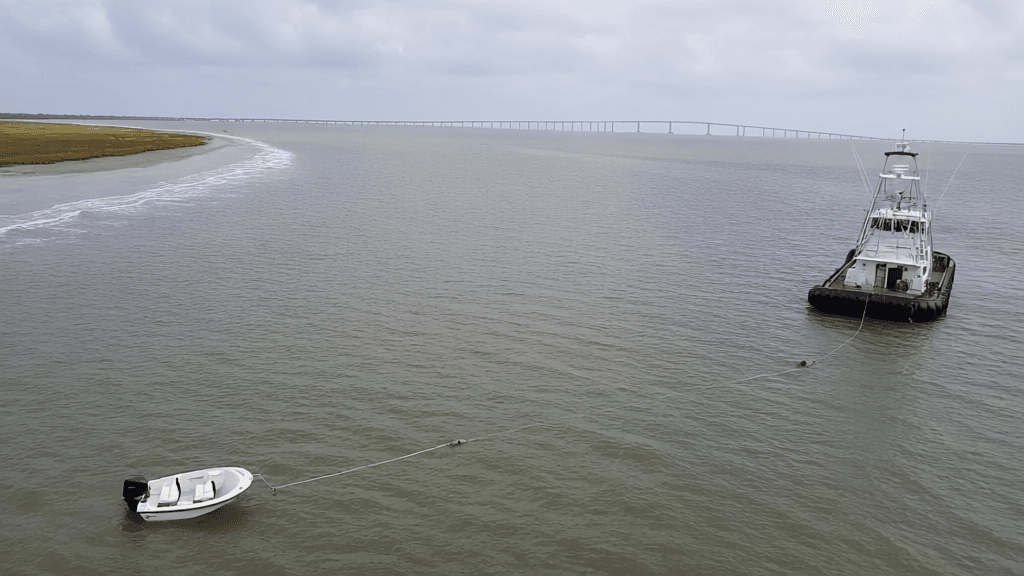
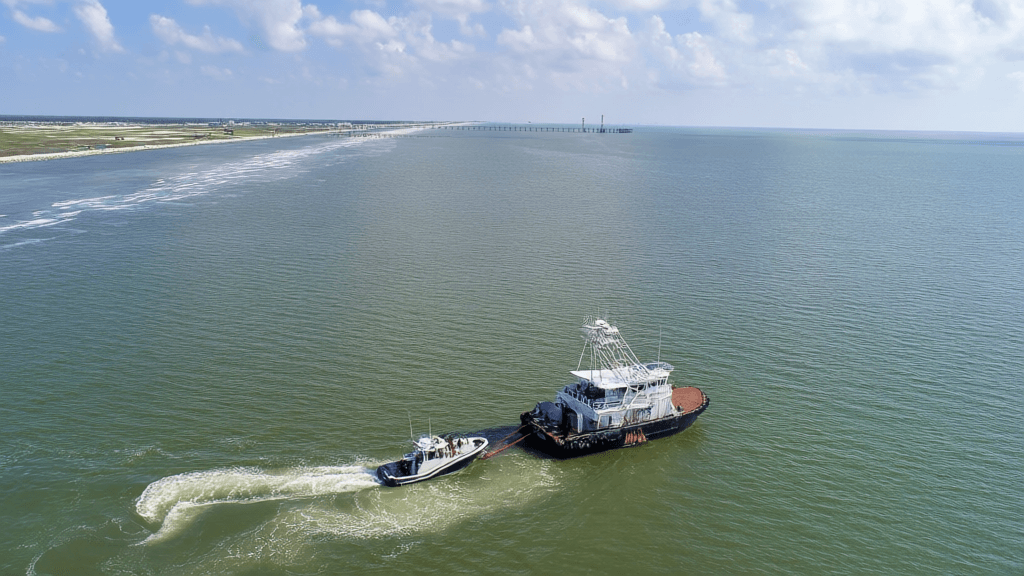
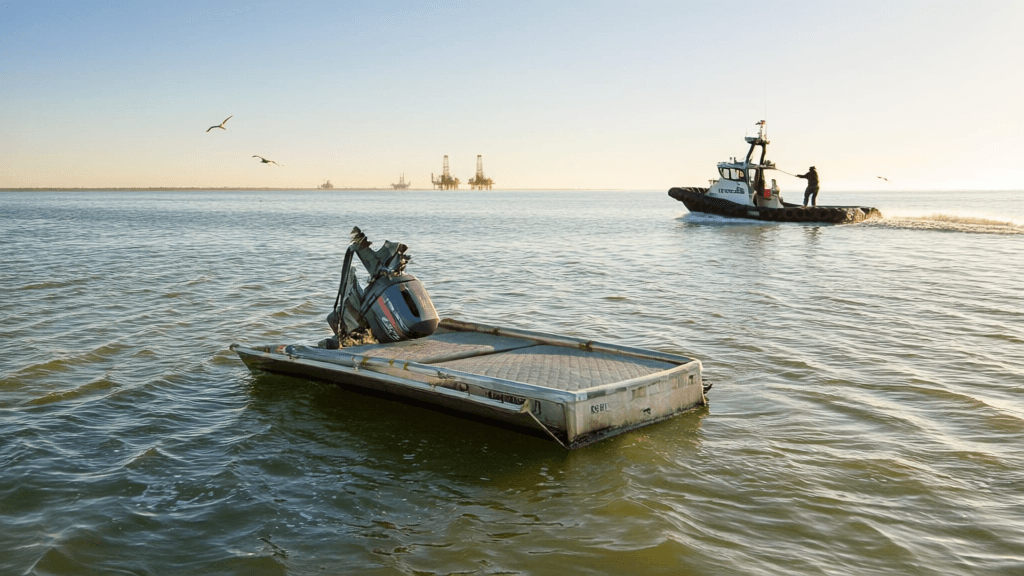
A boat breakdown can turn a pleasant outing into a stressful situation, especially when wind, current, traffic, or changing weather complicates a simple repair. Around Galveston, a disabled boat may be exposed to open water, busy channels, shallow areas, or a long return to the launch. A plan made before departure gives everyone aboard clear responsibilities and helps prevent confusion. Decide how to call for help, how to share the boat’s position, and what to do if the engine stops. This guide explains practical steps for preparing, responding, and keeping a mechanical problem from becoming a safety emergency.
Understand the Local Conditions Before Leaving
Galveston boaters may travel in Galveston Bay, near the jetties, or through channels where conditions and communication coverage can differ. Wind and tide can move a disabled boat toward shoals, structures, or vessel traffic, while a sudden weather change can make it harder to remain in place. Before departure, check a reliable marine forecast, note the planned route, and identify nearby safe areas or marinas. Consider the experience of everyone aboard and the boat’s range, fuel level, and mechanical condition. A short trip still deserves preparation: tell someone ashore where you expect to go and when you plan to return.
Set Up Communication and Location Sharing
A phone is useful, but it should not be the only way to summon help. Cellular coverage can be unreliable offshore, and a wet or depleted phone may be useless at the moment it is needed. Carry a properly installed marine VHF radio, learn how to make a distress call, and keep the radio accessible. Share your trip plan with a trusted person on shore, including the boat description, passenger count, route, and expected return time. Enable location sharing when appropriate, but do not treat it as a substitute for radio communication. If trouble develops, provide your position, the nature of the problem, and whether anyone is injured or in immediate danger.
Keep Safety Equipment Ready and Reachable
Safety equipment only helps if it is aboard, maintained, and easy to reach. Check that each passenger has a properly fitting life jacket and that required equipment is appropriate for the vessel and trip. Keep a first-aid kit, flashlight, sound-producing device, visual distress signals when required, fire extinguisher, and basic tools in known locations. A throwable flotation device should be accessible rather than buried under gear. Test batteries and lights before departure, and protect essential items from spray. Explain the location of the equipment to passengers during the safety briefing. If the boat loses power, everyone should be able to find a life jacket without waiting for the operator to direct them.
Respond Calmly When the Boat Stops
When a mechanical problem begins, first account for everyone aboard and put on life jackets if conditions warrant or the situation is uncertain. Check for immediate hazards such as smoke, fuel odor, water entering the boat, or a person overboard. If it is safe, reduce drift with an anchor while considering depth, bottom conditions, and nearby traffic; anchoring in a channel can create additional danger. Avoid repeated attempts to restart an engine if you smell fuel, see smoke, or suspect overheating. Tell passengers to remain seated and keep clear of moving parts. Then share your position and condition by radio or phone, and request the appropriate level of assistance.
Know Whom to Contact for Assistance
Store important contact details before leaving the dock rather than searching for them during an emergency. Identify a marine towing or on-water assistance provider that serves your route, and confirm what services are included, how dispatch works, and whether membership or payment is required. Keep contact information for the marina, boat owner, and a shore-side trip contact as well. Use emergency channels when there is immediate danger to life, a fire, a sinking risk, or another urgent threat; routine mechanical assistance is different from a distress call. When requesting help, be ready to explain your exact location, boat type and color, passenger count, problem, and current weather or hazards.
Make the Plan Work Around Galveston
A useful Galveston breakdown plan reflects where the boat will actually operate. A trip close to a launch may allow a quicker return than a run toward the jetties or a longer outing across the bay. Before heading out, mark likely stopping points, note channel and shallow-water concerns, and agree on a meeting place if assistance is dispatched. Boaters launching near Galveston may also travel toward Texas City, Kemah, or Clear Lake Shores, where routes and distances change the response options. Check local conditions on the day of the trip instead of relying on yesterday’s forecast. Make sure every passenger knows the boat name or identifying details and understands how to contact the operator if separated.
Simple Preparation That Reduces Breakdown Risk
Prevention does not eliminate mechanical failures, but a consistent inspection can catch problems before departure. Check fuel quantity and quality, engine oil and coolant where applicable, battery condition, belts, hoses, steering, bilge operation, and navigation lights. Confirm that the drain plug is installed and that tools and spare parts match the boat’s systems. Follow the manufacturer’s maintenance schedule, and address unusual vibration, warning lights, hard starting, or new noises before taking passengers out. Leave extra fuel and time for changing conditions rather than planning a trip that uses the boat’s full range. A short checklist kept with the boat makes it easier to inspect consistently, even when preparing in a hurry.
Key Takeaways for a Safer Trip
Build These Steps Into Your Routine
- Share your route, passenger count, and expected return time with a trusted person ashore, and agree on when that person should check in.
- Carry a working marine VHF radio and charged phone, and make sure passengers know where life jackets and emergency equipment are stored.
- If the boat loses power, assess immediate hazards, protect passengers, communicate your location, and avoid risky repair attempts or unsafe movement.
- Check weather, fuel, batteries, steering, bilge systems, and engine condition before departure, then revise the plan when conditions change.
- Review the scope and limits of any boat insurance or assistance benefits separately; coverage and towing arrangements vary by policy and provider.

Review Your Boat, Coverage, and Assistance Options
Before your next Galveston outing, walk through the plan with everyone aboard and make sure the equipment is in working order. Save key contacts in more than one place, and verify that your route and emergency procedures make sense for the boat’s size, passenger experience, and likely conditions. Review your boat insurance documents to understand what is covered, any applicable deductibles, and whether emergency assistance or towing is included; do not assume every breakdown service is part of a policy. If you are comparing coverage, ask clear questions about limits, exclusions, and how a claim or assistance request is handled. A little preparation at home can make a difficult moment on the water safer and more manageable.
Prepare Before Your Next Galveston Boat Trip
Review your safety equipment, trip communications, maintenance routine, and boat coverage before heading out.
Get a Free Quote