Why Trailer Checks Matter Before a Galveston Boat Trip
A boat trip can go sideways before the boat reaches the water if a trailer tire fails, a coupler loosens, or a light stops working on the road. Around Galveston, towing may mean crossing busy causeways, dealing with coastal weather, and maneuvering through crowded marina or boat-ramp traffic. A short inspection before leaving can catch problems while the rig is still parked and give you time to make repairs safely. This guide covers the main checks to complete before towing, plus simple ways to reduce theft and loading risks. Build the routine into every outing, whether you are launching in Galveston or driving in from Texas City or League City.
Coastal Conditions Can Be Hard on Trailers
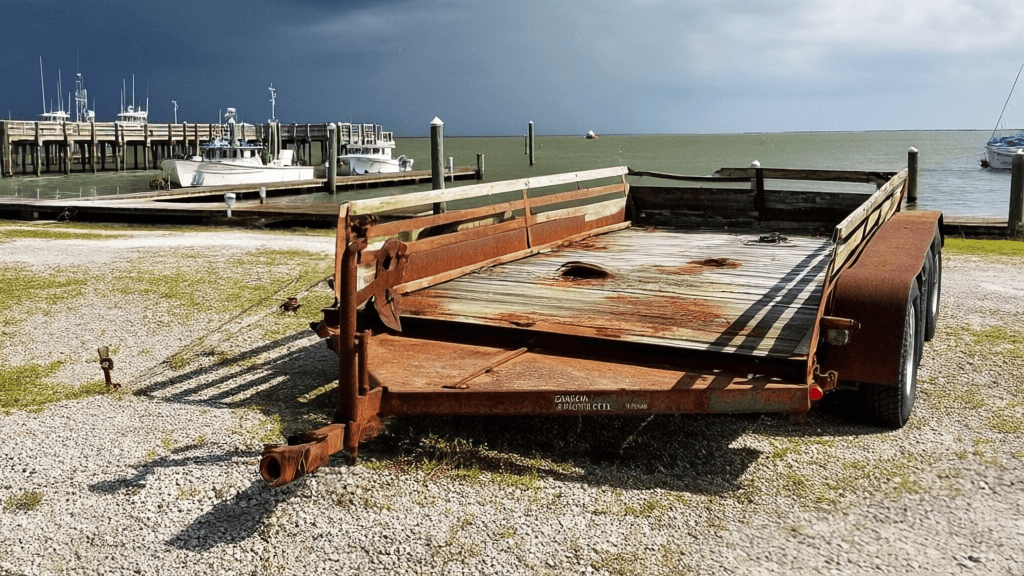
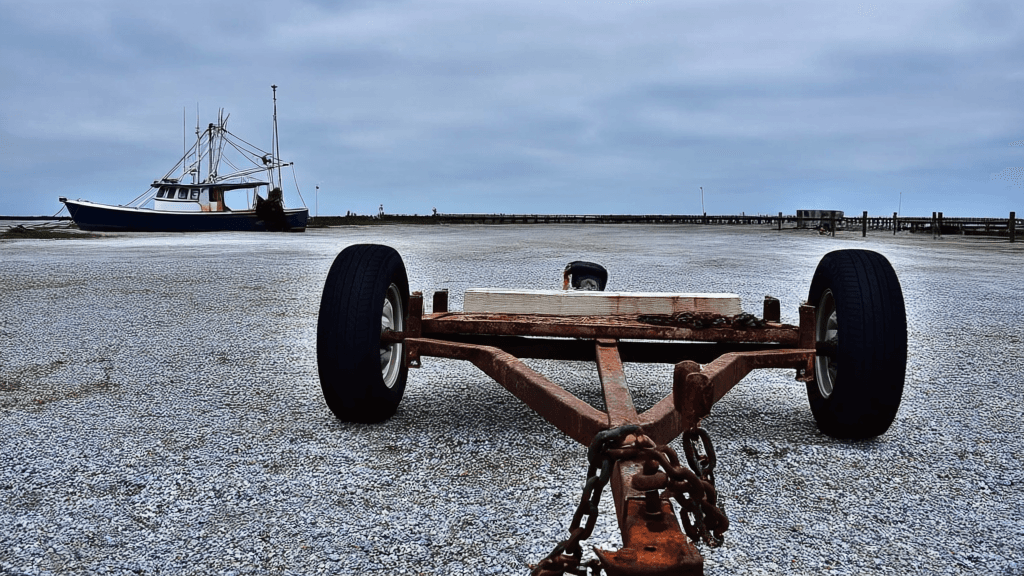
Salt air, spray, humidity, and repeated trips between the water and storage can accelerate corrosion on trailer hardware, electrical connections, and brake components. A trailer that looks fine from a distance may still have rusted fasteners, cracked wiring insulation, or corrosion where a ground connection should make clean contact. After launching, rinse the trailer with fresh water, paying attention to the frame, hubs, brakes, and light connections, then allow it to dry. Check the owner’s manual for maintenance intervals and component-specific instructions. In Galveston, regular attention matters year-round, not just at the start of boating season, because coastal exposure continues while a trailer is parked.
Inspect Tires, Wheels, and Bearings
Before each trip, check tire pressure when the tires are cool and use the pressure listed on the trailer or tire manufacturer’s information, rather than guessing by appearance. Look for sidewall cracks, bulges, uneven wear, embedded objects, and signs that a tire has been rubbing the fender. Confirm the tires are rated for the trailer’s load and are not past their service life; tread depth alone does not reveal age-related deterioration. Check that wheel nuts appear secure and inspect hubs for grease leakage or unusual heat after a short drive. Bearing noise, looseness, or a hot hub can signal a problem that needs attention before a long run across the island or causeway.
Test Lights, Coupler, and Safety Chains
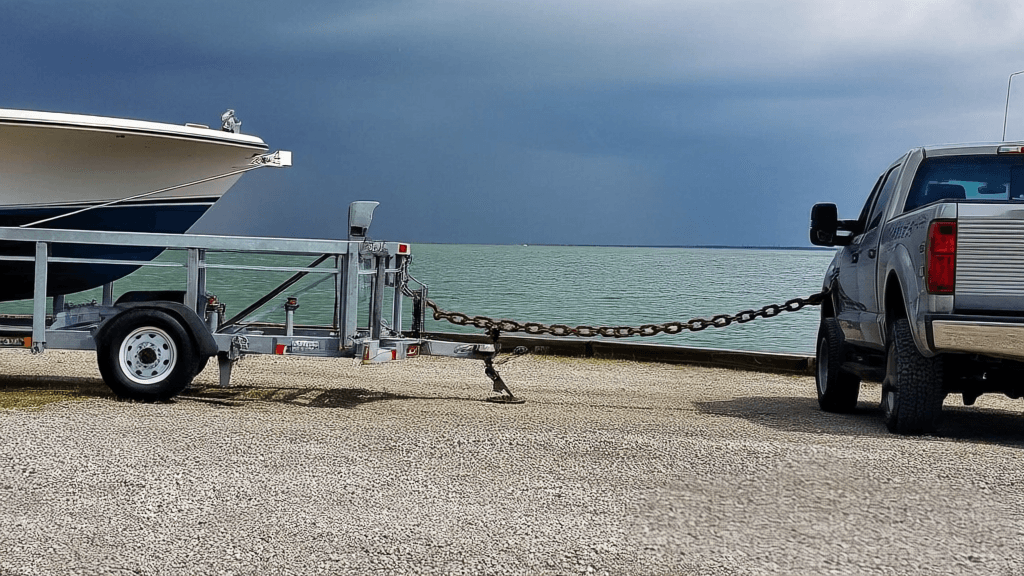
Connect the trailer plug and test running lights, brake lights, and turn signals while another person watches from behind. Clean corroded contacts and secure wiring so it cannot drag, pinch, or rub against the frame. Confirm the coupler size matches the hitch ball, the latch closes completely, and the retaining pin or lock is in place. Cross the safety chains beneath the coupler and attach them to the tow vehicle’s designated points, leaving enough slack for turns without allowing them to drag. A breakaway cable, if fitted, should be connected as directed by its manufacturer. Do not rely on a quick glance: test each light and connection before pulling away from home or a Galveston-area storage lot.
Check Brakes and Other Moving Parts
If the trailer is equipped with brakes, inspect the visible components for corrosion, damaged wires, fluid leaks, or loose hardware, and follow the maker’s service schedule. Test the brake controller or other required system according to its instructions before entering traffic. A trailer that pulls to one side, makes grinding sounds, or produces unusual heat at a wheel deserves prompt professional attention. Also examine the winch strap, bow stop, transom straps, and tie-down points for fraying, tears, bent metal, or weak attachment points. These parts help keep the boat stable when road surfaces change. Do not tow until a safety-critical defect is repaired; a short local drive can still involve sudden stops and crowded intersections.
Secure the Trailer and Boat Against Loss
A trailer lock can make an unattended rig harder to take, especially when the boat is parked overnight or left in a public area. Use a coupler lock that fits securely, and consider a wheel or tire lock when the trailer will be stored for an extended period. Keep keys separate from the vehicle and avoid leaving the trailer connected and unattended. Record the trailer identification number, take clear photographs of the boat and trailer, and store purchase and maintenance records somewhere accessible. At a ramp or marina, choose a well-lit location when available and remove portable valuables from the boat. Locks deter opportunistic theft but cannot guarantee recovery, so accurate records and prompt reporting are useful if a loss occurs.
Load the Boat Evenly and Secure It Properly
Before towing, confirm the boat sits centered on the bunks or rollers and rests correctly against the bow stop. Secure the bow and stern with suitable straps, and stow loose equipment so it cannot shift or fall onto the road. Keep the combined boat, trailer, fuel, and gear within the trailer and tow vehicle ratings; excess weight can affect handling, braking, and tire performance. Weight distribution matters too: an improperly balanced load can cause sway or place too much or too little weight on the hitch. Check that the motor is supported as recommended by its manufacturer and that drain plugs and loose covers are handled appropriately for transport. Recheck straps after the first short stretch of driving.
Local Preparation for Galveston Roads and Ramps
A Galveston outing may combine highway speeds, causeway traffic, narrow marina lanes, and a busy launch area, so leave room for wider turns and longer stopping distances than you would allow with a car alone. Check current weather and road conditions before departure, particularly when strong winds or heavy rain could affect towing. At a ramp, follow posted instructions, prepare lines and gear away from the launch lane, and avoid blocking traffic while loading or unloading. Boaters coming from Hitchcock, La Marque, Texas City, or Kemah can use the same pre-trip routine; the exact route changes, but trailer checks do not. Respect posted parking and storage rules at each facility, since local requirements can vary by location.
A Simple Pre-Departure Checklist
Check These Items Before Every Tow
- Verify tire pressure and inspect tires, wheels, hubs, and visible bearing seals for damage or warning signs.
- Test running lights, brake lights, turn signals, the trailer plug, and any equipped brake system.
- Confirm the coupler is latched and pinned, the safety chains are attached, and the breakaway cable is connected as directed.
- Inspect the winch strap, bow stop, transom straps, and tie-down points for wear or damage.
- Make sure the boat is centered, secured, within rated weight limits, and free of loose gear.
- Use suitable trailer locks when parked, and keep identification details and photographs of the rig.

Use the checklist as a final walk-around rather than a substitute for scheduled maintenance. If a tire, bearing, brake, hitch, or strap raises concern, stop and address it before towing; do not assume a problem will hold for one more trip. For longer drives, repeat a quick visual check after the first few miles and whenever you stop. Keep a basic roadside kit with items appropriate for your trailer and know how to use it safely, but leave repairs beyond your experience to a qualified technician. This habit is useful whether your boat is stored in Galveston or brought in from Dickinson, Friendswood, or Clear Lake Shores.
Review Your Trailer and Boat Protection
Maintenance can reduce preventable breakdowns, but it does not eliminate the chance of collision, theft, storm damage, or another unexpected loss. Review the insurance documents for both the boat and trailer to understand what property is insured, which events are covered, what exclusions apply, and whether deductibles or limits could affect a claim. Coverage can vary by policy, and a boat policy may treat a trailer differently from the boat itself, so ask for clarification rather than making assumptions. Keep current photographs, identification numbers, receipts, and maintenance records together. Before the next trip, compare your protection with how and where the rig is used, including regular launches and storage around Galveston.
Make Your Next Galveston Launch Better Prepared
Complete a trailer walk-around, address defects before towing, and review your boat and trailer protection before heading out.
Get a Free Quote