Why Galveston Boaters Should Compare These Coverages
A collision on Galveston Bay can leave someone facing ambulance, emergency-room, or follow-up bills before anyone has settled who caused the accident. Two boat policy options that may help with injury costs are uninsured boater coverage and medical payments coverage, but they are not interchangeable. Uninsured boater coverage generally depends on an at-fault boater having no insurance or too little insurance, while medical payments coverage is commonly designed for certain medical expenses without waiting for fault to be decided. For Galveston boaters who share the water with anglers, tour vessels, and recreational traffic, understanding the different claim paths can make it easier to choose limits and respond after an incident.
What Each Coverage Is Designed to Do
Uninsured boater coverage, sometimes described as uninsured or underinsured watercraft coverage, may help eligible injured people when another boater is legally responsible and lacks adequate liability insurance. The policy’s definitions, proof requirements, and limits control whether a claim qualifies. Medical payments coverage, often called MedPay, usually helps pay specified medical expenses for eligible occupants after a covered boating accident, regardless of fault. It is typically limited to medical costs rather than broader damages such as lost income or pain and suffering. Because policy forms differ, treat these descriptions as a starting point and check the actual contract, endorsements, and declarations page.
The Claim Trigger Is the Key Difference
Consider a collision near a busy channel: if the other operator caused the crash and has no applicable liability insurance, uninsured boater coverage may be relevant, subject to investigation and policy conditions. The injured person may need to establish the other party’s responsibility and document the available insurance. In a separate scenario, a passenger is hurt when the insured boat makes a sudden maneuver to avoid traffic. Medical payments coverage may help with eligible medical expenses even if no other boater was at fault. In either case, promptly report the incident, preserve photographs and witness details, and obtain the insurer’s instructions before assuming which section will pay.
Who May Be Covered and Which Costs May Qualify
The people protected can differ just as much as the trigger. A medical payments provision may cover the named insured and certain passengers or occupants, but the exact definition may depend on whether they were aboard, boarding, leaving, or using the insured boat. Uninsured boater terms may identify covered persons and may address bodily injury claims involving the insured and household members. Neither coverage should be assumed to cover every person or every bill. Medical payments commonly focuses on reasonable, necessary medical expenses up to a stated limit; uninsured boater coverage may address covered injury damages up to its limit. Check exclusions, deductibles, coordination rules, and whether limits apply per person or per accident.
How the Coverages May Complement Each Other
These protections may serve different needs after the same event. MedPay could help with eligible immediate treatment costs while an investigation into fault and another operator’s insurance continues. If an uninsured boater was legally responsible, an uninsured boater claim might address covered bodily injury damages that are outside MedPay’s narrower medical-expense focus, subject to the policy and applicable law. That does not mean both coverages automatically pay every expense, or that one guarantees payment under the other. Insurers may coordinate benefits, request documentation, or apply exclusions and limits. When comparing quotes, ask how the policy handles overlapping claims, passenger injuries, hit-and-run incidents, and disputes over responsibility.
Details Galveston Owners Should Review Before Boating
Galveston boaters may travel between the bay, nearby coastal waters, marinas, and launch points, so confirm that the policy’s navigation territory and boat-use terms fit the trips actually taken. Review whether coverage applies to the vessel type, horsepower, operators, and activities involved; a personal-watercraft excursion or a trip beyond an allowed area may raise different questions. Also check limits, passenger definitions, and any exclusions related to racing, commercial use, or particular waters. Owners in Texas City, League City, Kemah, and other nearby communities should compare the same details rather than choosing solely by premium. A clear explanation of the policy form matters more than a coverage label alone.
A Practical Checklist for Choosing Limits
Questions to Ask When Comparing Policies
- Ask whether uninsured boater coverage includes underinsured operators and what evidence is required to establish fault and inadequate insurance.
- Confirm who qualifies as an insured person or passenger under each coverage, including guests boarding or leaving the vessel.
- Compare medical payments limits per person and per accident, and ask which reasonable medical expenses are eligible.
- Review exclusions, deductibles, navigation limits, and how the insurer coordinates MedPay with other available health or liability coverage.
- Ask how promptly to report a collision, what records to preserve, and whether the policy requires consent before settling with another party.

What to Do After a Boating Injury
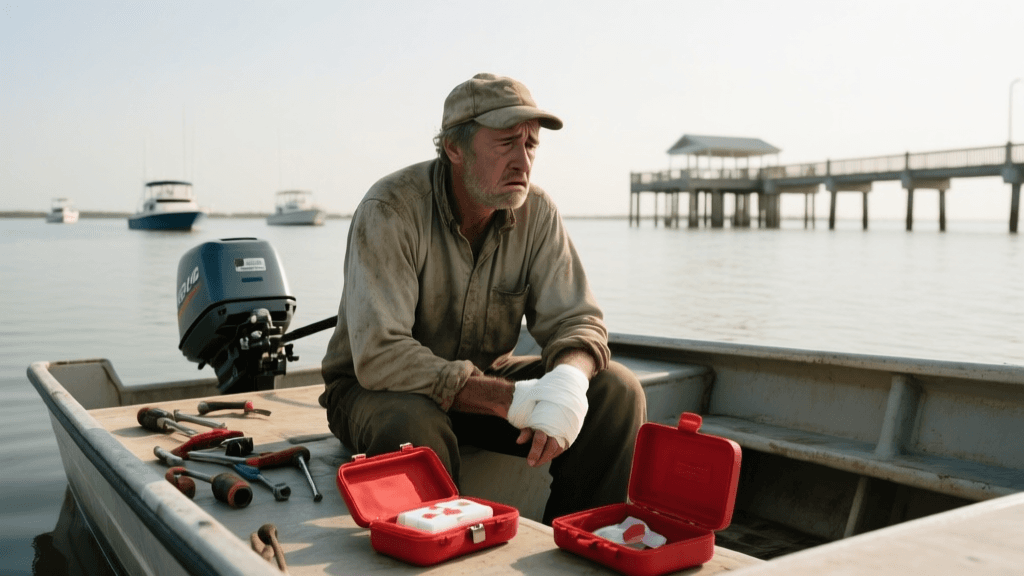
First address immediate safety and call for emergency assistance when needed. Exchange operator and vessel details, gather witness names, photograph the scene and damage when safe, and record the location and time. Report the incident to the relevant authorities when required and notify the insurer promptly; avoid making assumptions about fault or promising payment. Keep medical invoices, treatment records, receipts, and communications organized, and follow the insurer’s instructions about submitting them. If another operator may be uninsured, preserve any available insurance information and let the claims process establish what coverage exists. A timely, factual report helps the insurer assess which policy provisions may apply without treating either coverage as an automatic guarantee.
Next Steps for Galveston Boat Owners
Before the next outing, place your declarations page and policy contact information somewhere accessible, then compare the actual wording for uninsured boater and medical payments coverage. Ask for a plain-language explanation of who is insured, what event triggers each coverage, what expenses may qualify, and how the limits work. If the boat is shared with family or guests, discuss who operates it and confirm that the policy reflects those arrangements. Boaters around Galveston, Hitchcock, Santa Fe, and the surrounding communities can use these questions when comparing available policies. The goal is not to assume every accident is covered, but to understand the protection selected and identify unanswered questions before time on the water.
Review Your Boat Injury Protections
Compare policy terms and limits for uninsured boater and medical payments coverage before your next Galveston outing.
Get a Free Quote