

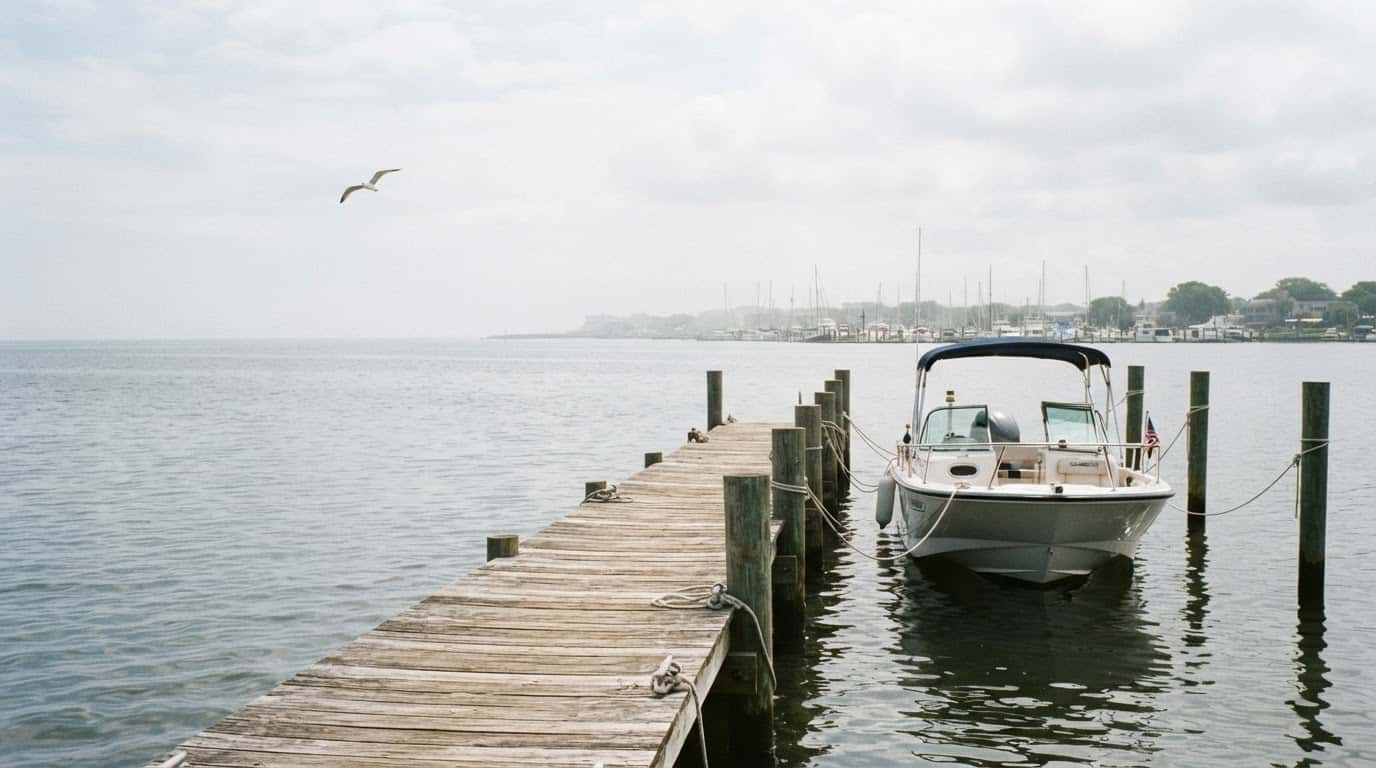
Start With How and Where You Will Use the Boat
Buying a first boat involves more than choosing a model and arranging a launch. The right insurance depends on the vessel, its value, who operates it, where it is stored, and how far it travels. Around Galveston, a boat may be used in sheltered bay waters, coastal channels, or the open Gulf, each presenting different exposure. Start by describing your expected use accurately so a quote reflects your real plans.
Know What Boat Insurance Can Cover
Boat policies commonly offer liability coverage for an insured operator's legal responsibility for bodily injury or property damage to others. Physical damage coverage may pay for covered damage to the boat, motor, and certain equipment, subject to the policy's deductible, limits, exclusions, and settlement terms. Policies may also offer medical payments, uninsured or underinsured boater protection, personal effects coverage, and towing assistance. These options are not identical across insurers, so compare the actual policy wording rather than relying on a coverage label alone.
Coverage Details Worth Comparing
- Liability limits and whether passenger injuries are included under the policy terms.
- Agreed-value or actual-cash-value settlement provisions for a covered total loss.
- Deductibles and any separate hurricane, named-storm, or windstorm restrictions.
- Coverage for the motor, trailer, navigation equipment, and personal belongings.
- Towing, wreck removal, and fuel-spill liability limits, if available.

Check Requirements Before You Buy
Texas does not generally require every privately owned recreational boat to carry liability insurance simply to operate on public waters. However, a lender may require specified physical damage and liability coverage while a loan is outstanding, and a marina or storage provider may set its own insurance conditions. Confirm requirements directly with the lender and facility, and check current Texas Parks and Wildlife Department rules for vessel registration, numbering, and safety equipment. Insurance does not replace registration, required safety gear, or safe operation.
Give Insurers Accurate Boat and Operator Information
Prepare the make, model, year, hull identification number, length, engine details, purchase price, and any recent survey or inspection. Include information about upgrades and equipment you want insured. Disclose all regular operators, boating experience, prior losses, storage arrangements, and intended navigation area. If you expect to cross from Galveston Bay into Gulf waters, ask whether the policy permits that navigation and whether seasonal, distance, or weather restrictions apply.
Account for Galveston-Area Weather and Water
Galveston boat owners should consider tropical storms, hurricanes, storm surge, high winds, lightning, and saltwater corrosion when selecting coverage and storage. A policy may limit coverage during a named storm, require a protective action plan, or exclude certain losses; the precise terms vary. Ask how the policy treats hauling out, moving the boat, securing it at a marina, and damage while on a trailer. In Texas City, League City, Kemah, and Clear Lake Shores, marina arrangements and routes between bay and coastal waters can differ, so describe your actual mooring and use.
Compare Quotes on More Than Price
Request comparable quotes using the same liability limits, physical damage basis, deductibles, and optional protections. Read exclusions and conditions, including limits for personal watercraft, racing, commercial use, unattended boats, and damage caused by wear or gradual deterioration. Ask whether a marine survey is needed, especially for an older or higher-value vessel. A lower premium may come with a larger deductible, narrower navigation territory, or less favorable claim settlement.
Ways to Manage the Cost
Practical Cost-Management Steps
- Ask whether completing an approved boating safety course may qualify for a discount.
- Compare deductibles while keeping an amount you could comfortably pay after a loss.
- Store and secure the boat appropriately, and maintain records of safety equipment.
- Review discounts for multiple policies or lay-up periods, if offered and suitable for your use.
- Update the insurer after significant equipment upgrades, ownership changes, or a change in boating area.
Local Boating Habits Matter
A boat kept at a Galveston marina may need different storage and storm planning than one trailered from Santa Fe, Dickinson, La Marque, or Hitchcock. Owners near Bacliff, San Leon, and Clear Lake Shores may have regular bay access, while a trip into the Gulf can bring different navigation and weather considerations. Discuss where the boat will be kept, how it will reach the water, and whether it will carry passengers or tow recreational equipment. This context helps you identify gaps before a claim occurs.
A Straightforward Path to Coverage
First, establish the boat's purchase value and intended use. Next, gather vessel, operator, and storage details and request quotes with matching limits. Review the declarations, exclusions, navigation territory, storm provisions, and deductibles before choosing a policy. Confirm the effective date before taking possession or launching, satisfy any lender or marina conditions, and keep proof of coverage with your boating documents. Revisit the policy after a major change in boat value, equipment, operators, or use.
Trustworthy Guidance and Policy Verification
Insurance terms and eligibility vary by insurer and by the individual vessel. Read the policy and endorsements, and ask a licensed insurance producer to explain any unclear provision before binding coverage. Texas consumers can verify producer licensing and find insurance consumer resources through the Texas Department of Insurance. For boating rules, registration, and safety requirements, consult the Texas Parks and Wildlife Department. These official sources help separate legal obligations from lender, marina, and insurer requirements.
Frequently Asked Questions
Texas does not generally require liability insurance for every privately owned recreational boat operating on public waters. A lender or marina may require coverage, and other rules such as registration and safety requirements still apply. Verify current requirements for your boat and situation.
Compare liability and physical damage coverage first, then consider medical payments, uninsured or underinsured boater protection, towing, personal effects, and wreck removal. The appropriate limits depend on the boat's value, passengers, use, and policy terms.
Coverage varies. Policies may contain named-storm exclusions, special deductibles, navigation limits, or requirements to move or secure the boat. Review the exact wording and ask how the policy applies before hurricane season.
Gather the boat's year, make, model, hull identification number, length, engine details, value, equipment, operator information, boating experience, storage location, and intended navigation area. A survey may be requested for some vessels.
It can. The policy may define a navigation territory or set restrictions on offshore travel. Tell the insurer where you intend to operate and confirm that the Gulf, coastal passages, and planned trips are within the covered territory.
Some insurers offer a discount for an approved boating safety course, but availability and eligibility vary. Ask each insurer what courses qualify and whether the discount applies to your vessel and operators.
Get a Free Boat Insurance Quote
Tell us about your vessel and we will connect you with the right coverage options for Galveston waters.