

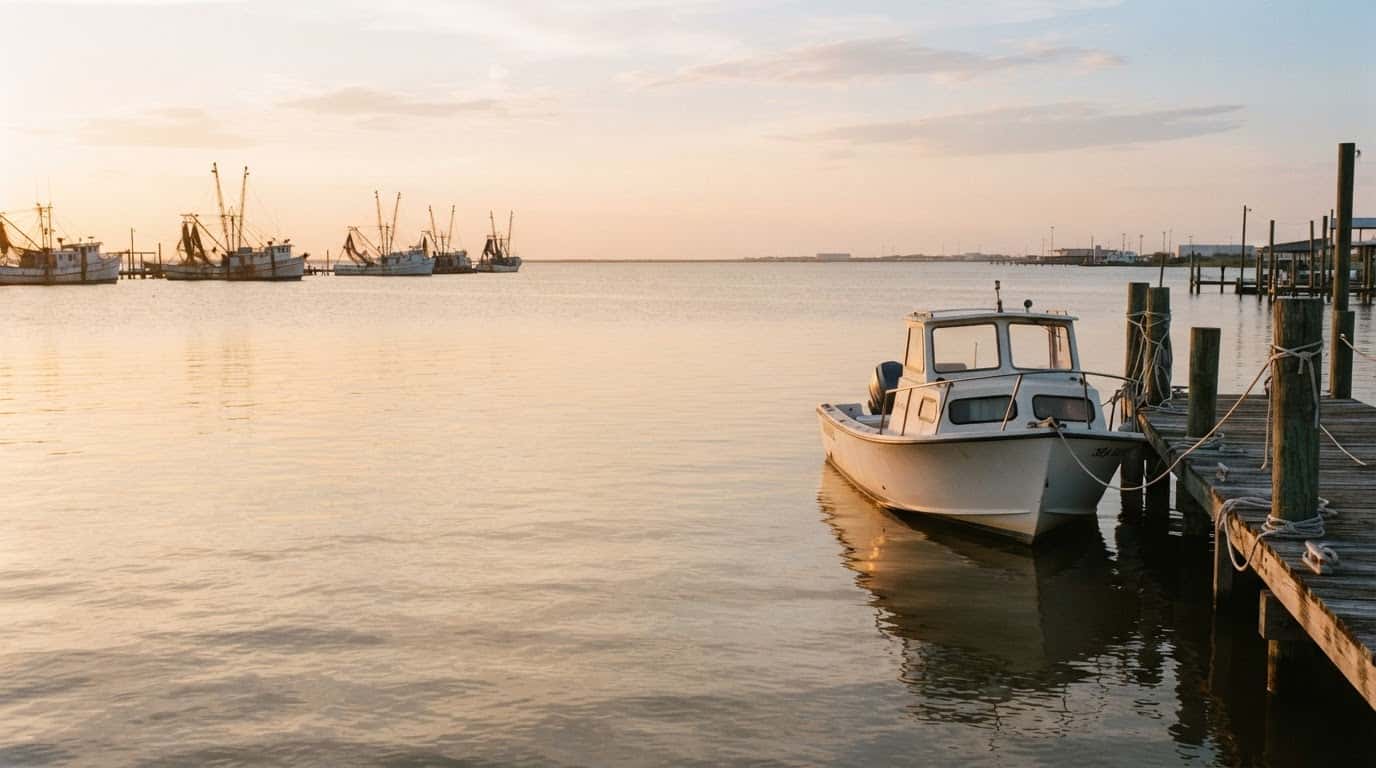
Plan Ahead for Galveston Waters
Safe boating around Galveston starts before leaving the dock. This guide covers preparation, navigation, weather awareness, required safety equipment, and emergency response for trips on Galveston Bay, the Intracoastal Waterway, and the Gulf. Conditions can change quickly near passes and open water, so check current forecasts and marine advisories rather than relying on a general land forecast.
Know Texas Boating Requirements
Texas Parks and Wildlife Department administers state boating rules. Requirements can depend on the operator’s age, the vessel, and how it is used. Texas generally requires boater education for operators born on or after September 1, 1993, who operate a vessel with a motor of more than 15 horsepower or a windblown vessel over 14 feet. Confirm current rules and exceptions with the department before departure. Carry required registration documents, display registration correctly, and follow navigation, speed, and no-wake restrictions.
Check Safety Equipment Before Departure
Federal and Texas requirements vary with vessel type, length, and operation. As a baseline, verify that each person has access to a properly sized, serviceable U.S. Coast Guard-approved life jacket. Children must meet applicable state wear requirements, and all passengers should know where life jackets are stored. Check that required fire extinguishers, sound-producing devices, navigation lights, and visual distress signals are present and in usable condition. Requirements for distress signals can depend on where and when the boat operates.
Pre-Departure Checks
- Test the engine, steering, bilge pump, and communications equipment.
- Confirm fuel is sufficient for the planned route, delays, and a safe return.
- Tell someone ashore the route, passenger count, and expected return time.
- Secure loose gear and review the location of emergency equipment with passengers.

Navigate Channels, Shoals, and Busy Areas Carefully
Galveston Bay includes marked channels, shallow flats, recreational traffic, and commercial vessel routes. Use current nautical charts, follow aids to navigation, maintain a lookout, and give large vessels room to maneuver. Do not assume water outside a marked channel is deep enough for your boat. Near Galveston, traffic and wake can increase around harbor approaches, ferry routes, marinas, and popular fishing areas. Reduce speed when visibility, traffic, or wake conditions make it prudent, and obey posted no-wake zones.
Monitor Weather and Water Conditions
Thunderstorms, strong winds, lightning, fog, and rapidly building seas can make a routine outing hazardous. Check marine forecasts and alerts from the National Weather Service before launching and continue monitoring conditions underway. Pay attention to wind direction, wave height, visibility, and any small craft advisories. Gulf conditions can differ substantially from protected bay waters. If a storm approaches or conditions exceed the vessel or operator’s comfort and capability, head for safe shelter early; do not wait until the route back becomes difficult.
Adjust Your Plan for Nearby Launch Areas
Boaters launching around Galveston should consider the route’s exposure, local traffic, tide and current, and distance to a safe return point. Conditions may differ around Texas City, Kemah, Clear Lake Shores, and San Leon, so a familiar launch location does not make every trip predictable. Check access and advisories for the specific ramp or marina, and account for shallow areas, channel crossings, and changing visibility when choosing a route.
Prepare for Breakdowns and Emergencies
Carry a reliable way to call for help and know how to use it. A properly registered marine VHF radio is useful for contacting the Coast Guard and nearby vessels; a charged mobile phone in a protective case can supplement it but may not work everywhere. Know your position, keep emergency contacts accessible, and review basic actions for fire, flooding, person overboard, and engine failure. In an immediate emergency, use the appropriate distress procedure and provide your location, the nature of the problem, and the number of people aboard.
Useful Emergency Readiness Steps
- Keep a first-aid kit, flashlight, and essential tools aboard.
- Practice a person-overboard response and assign passenger roles.
- Carry suitable visual distress signals when required for the operating area.
- Keep the boat’s registration and emergency details readily available.
Build Local Knowledge and Review Coverage
A boating safety course, current charts, and advice from qualified local boating or marina professionals can help operators understand regional conditions. Verify that any person providing regulated insurance services is appropriately licensed in Texas through the Texas Department of Insurance. Safety equipment and careful planning reduce risk, but they do not prevent every loss. Boat insurance terms vary; review the policy, exclusions, navigation limits, deductibles, and any requirements for safety equipment with a licensed insurance professional before relying on a particular coverage.
Frequently Asked Questions
Check that each person has access to a properly sized, serviceable U.S. Coast Guard-approved life jacket. Also verify the equipment required for your vessel and operating area, which may include fire extinguishers, a sound-producing device, navigation lights, and visual distress signals. Confirm current requirements with Texas Parks and Wildlife Department and the U.S. Coast Guard.
Texas generally requires boater education for operators born on or after September 1, 1993, using a vessel with a motor over 15 horsepower or a windblown vessel over 14 feet. Rules and exceptions can apply, so check current guidance from Texas Parks and Wildlife Department before operating.
Review a marine forecast and alerts before departure, then keep monitoring wind, visibility, storms, and wave conditions. Plan a route with safe return options, and seek shelter early when conditions worsen or exceed your experience or vessel’s capabilities.
No. Wind, traffic, water depth, current, and exposure can vary by route and launch area. Check local advisories and charts for the specific trip, especially when moving between protected bay water, channels, and more exposed areas.
First account for everyone aboard, put on life jackets if conditions warrant, and assess immediate hazards such as traffic, weather, fire, or flooding. Use a marine VHF radio or another available communication method to request assistance, and share your location, the problem, and passenger count. Follow instructions from emergency responders.
No. Insurance may help address covered losses under the policy’s terms, but it does not prevent accidents or replace required equipment, training, and prudent operation. Review exclusions, navigation limits, deductibles, and safety-related conditions with a licensed Texas insurance professional.
Get a Free Boat Insurance Quote
Tell us about your vessel and we will connect you with the right coverage options for Galveston waters.