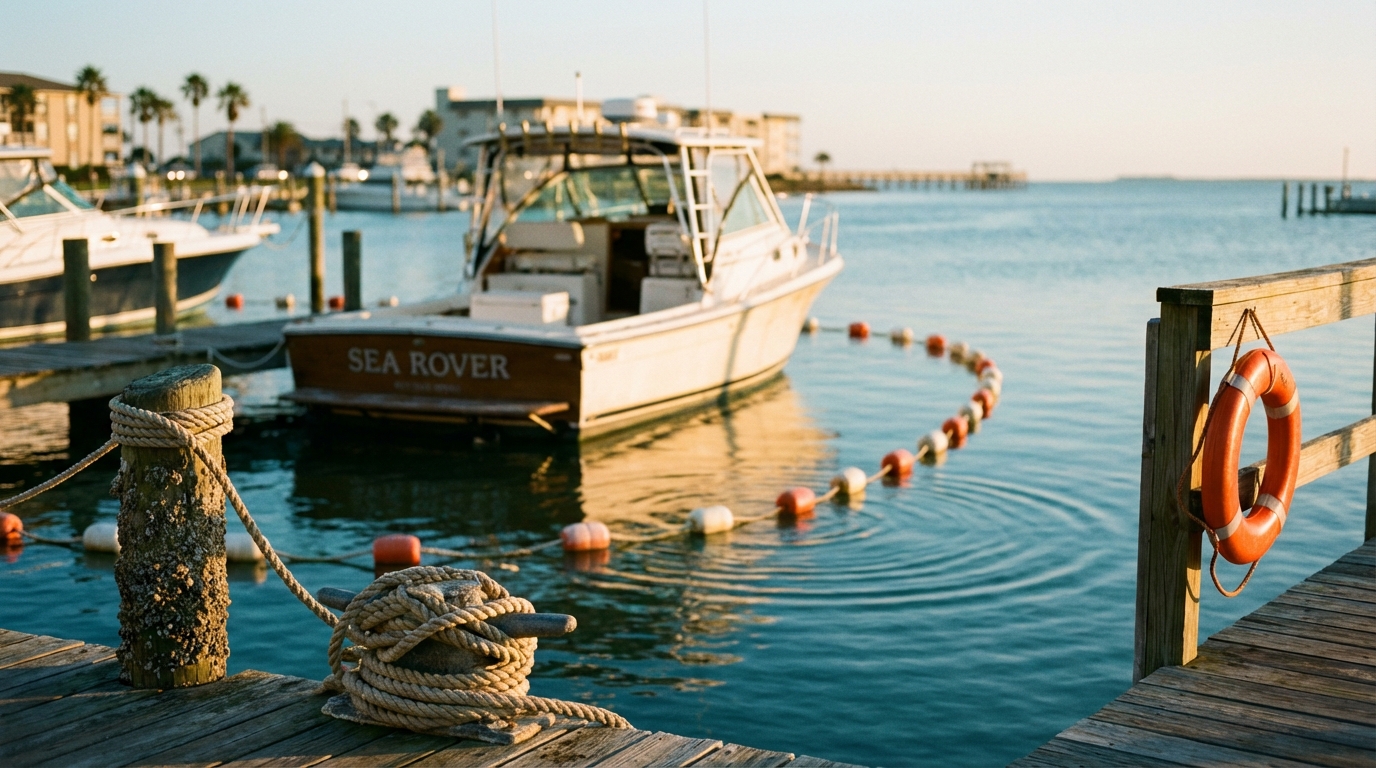
Introduction: Why Liability Limits Matter On Galveston Water
In Galveston, boating is rarely “just you and open water.” Between marina traffic, busy weekends, fishing trips, and tow sports, it doesn’t take much for a small mistake to turn into a big liability claim. Boat liability coverage is what pays when you’re legally responsible for someone else’s injuries or property damage. The tricky part is picking a limit that matches real-world risk, not just the cheapest option on a quote. In this guide, you’ll learn a practical way to choose boat liability limits based on how you use your boat in Galveston, how often you carry guests, and how an umbrella policy may (or may not) extend over boating.
Context And Background: What Boat Liability Typically Covers
Boat liability generally has two big buckets: bodily injury (medical bills, lost wages, pain and suffering) and property damage (docks, pilings, other boats, lifts, seawalls, and sometimes marina infrastructure). Many policies also include legal defense, which matters because attorneys and expert reports can get expensive even before a settlement happens. In a place like Galveston, claim severity can jump quickly because water-related injuries can be serious and property damage often involves high-value vessels or repairs done by specialized marine contractors. Liability limits are usually shown as a single combined limit (like $300,000) or split limits depending on the carrier. The core idea is the same: your limit is the maximum the insurer will pay for covered liability claims.
Main Point 1: A Practical Framework For Picking Your Liability Limit
A simple way to pick a liability limit is to start with your “worst day” scenario and work backward. Ask: if someone is seriously injured, what could a claim reasonably cost in today’s dollars, and what assets do I need to protect if I’m sued? In practice, many Galveston boaters choose at least $300,000 because it’s a common threshold where pricing is still reasonable, but that number isn’t magic. If you own a home, have significant savings, or have higher income that could be targeted in a lawsuit, higher limits like $500,000 or $1,000,000 can make sense. Also factor in how you boat: frequent guests, towing (wakeboard/tube), night runs, or operating in tight marina lanes increases the chance of a high-dollar claim. Your limit should match your exposure, not just your hull value.
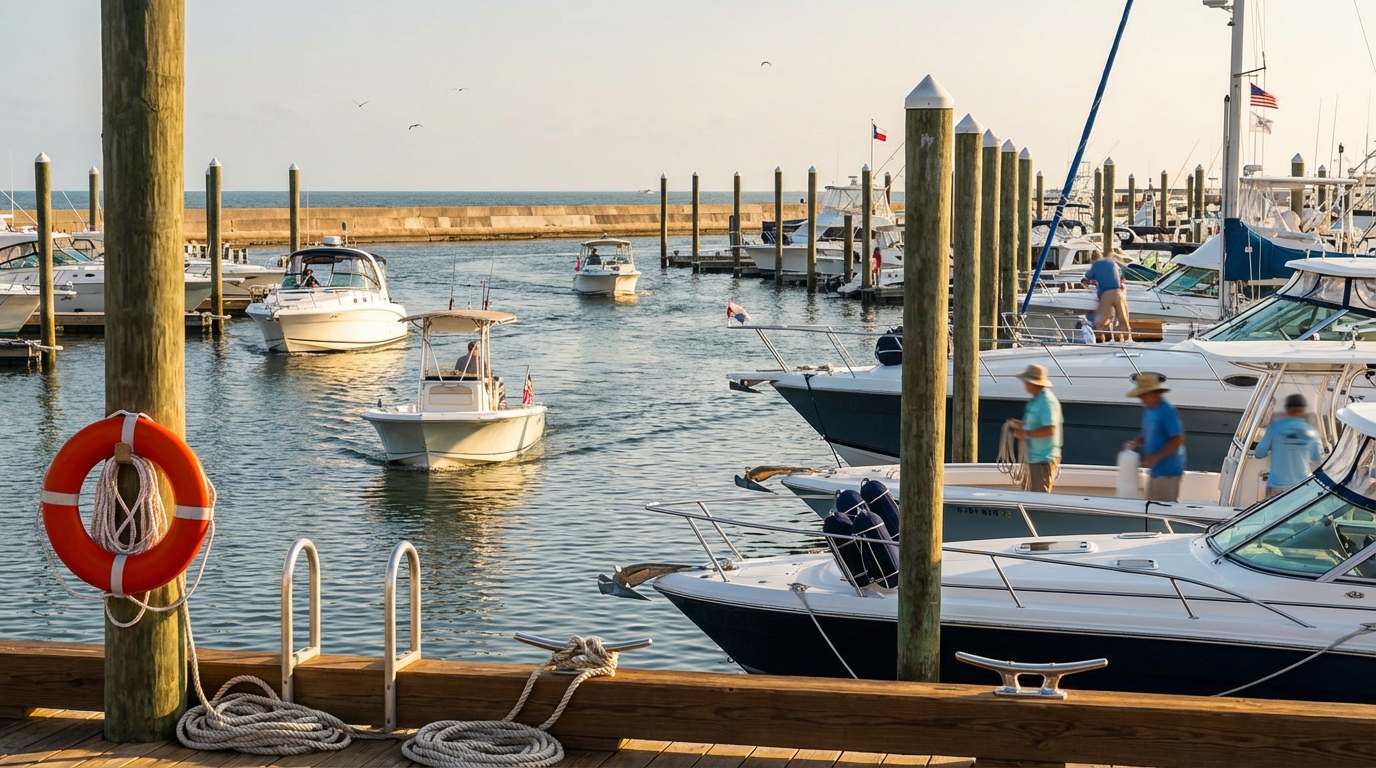
Main Point 2: Claim Severity Examples That Drive Limit Decisions
Liability claims often surprise people because the biggest costs aren’t always the boat repairs. Example 1: a guest slips while boarding, hits their head, and needs emergency care plus follow-up therapy. Medical bills and lost wages can climb fast, and if the injury affects their ability to work, the settlement demand can be far above $100,000. Example 2: a low-speed docking mistake damages a neighboring boat and the dock structure. You may be paying for fiberglass repair, mechanical issues caused by impact, and marina property repairs—often with multiple vendors involved. Example 3: a tow sports incident where a rider is injured or a line tangles near other traffic. Even if you believe you did nothing wrong, defense costs and negotiations can be substantial. These scenarios are why many owners look beyond minimum limits.
Main Point 3: Factors That Increase Risk In Galveston Boating
Your liability limit should reflect your personal risk profile, and Galveston has a few patterns worth pricing in. Busy weekends and holiday traffic mean more close-quarters maneuvering, more inexperienced operators nearby, and more opportunities for small errors to create big consequences. Marina traffic increases dock strike risk and “chain reaction” damage where one impact affects multiple boats. If you regularly host friends and family, your exposure rises because more passengers means more opportunities for falls, cuts, and boarding accidents. If you tow tubes or wakeboards, the severity potential increases because injuries can be more serious and involve higher speeds and complex liability questions. Finally, if you operate a PWC or a faster performance boat, higher limits are often a smart move because claims tend to involve higher injury severity and more disputes about fault.
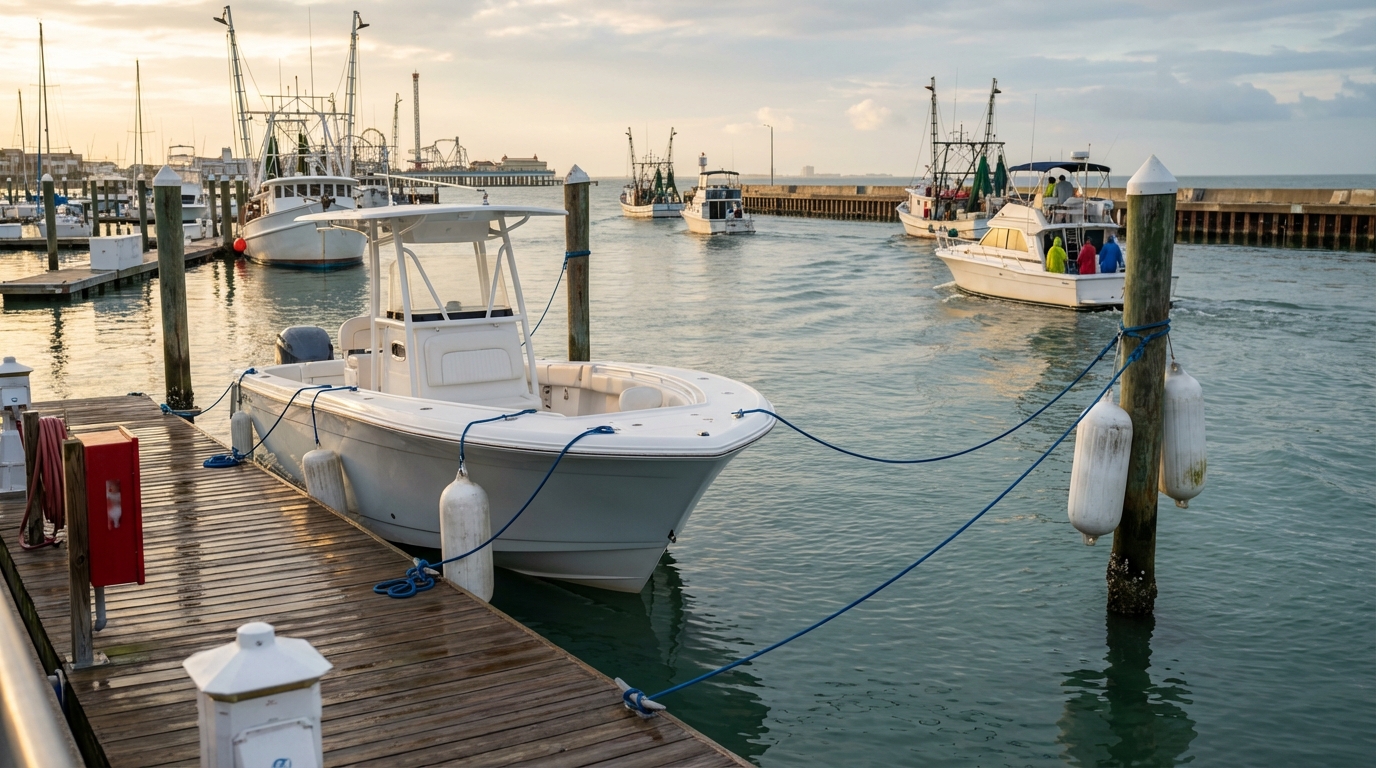
Local Relevance: How Galveston And Nearby Areas Change The Equation
Galveston boaters often mix different types of trips: short runs near the island, marina-to-marina cruising, fishing outings, and days that include towing kids or guests. That mix matters because your risk isn’t constant. Tight quarters near marinas and busier channels can mean more property damage exposure, while open-water runs and tow sports can increase injury severity exposure. If you also boat around Texas City, League City, Dickinson, La Marque, Santa Fe, Friendswood, or Clear Lake, you may see different traffic patterns and docking environments depending on where you launch and store your boat. The practical takeaway is to choose limits based on your highest-risk days, not your calmest ones. It’s much easier to buy adequate limits upfront than to wish you had after an accident.
Key Takeaways For Choosing Boat Liability Limits
- Start with assets and income exposure: If you have a home, savings, or higher income, consider $500,000 to $1,000,000 to better protect what you’ve built.
- Match limits to how you boat: Frequent guests, towing, PWCs, and heavy weekend traffic in Galveston typically justify higher limits than occasional solo cruising.
- Think beyond repairs: Bodily injury claims (and legal defense) are often the drivers of large settlements, even when boat damage looks minor.
- Plan for the “worst day” trip: Choose limits based on holiday weekends, marina docking, and guest outings, not the quiet weekday ride.
- Ask about medical payments and uninsured/underinsured boater coverage: These can help with injuries and situations where the other party can’t fully pay.
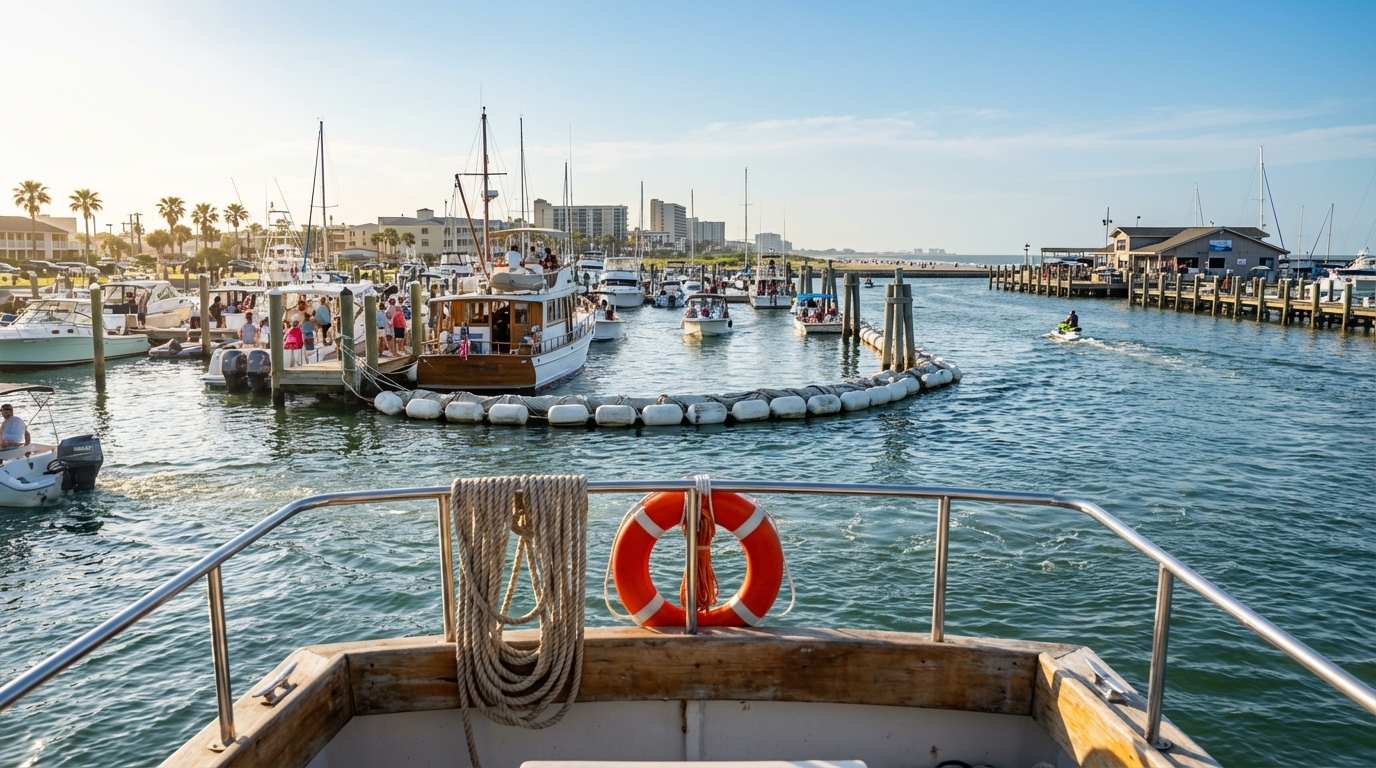
Next Steps: Umbrella Policies And Getting Your Limits Right
Many Galveston boat owners ask whether a personal umbrella policy will cover boating. Sometimes it can, but it depends on the umbrella carrier and how your boat is insured. Some umbrellas extend over certain watercraft only if your underlying boat policy meets required minimum liability limits, and some umbrellas exclude specific boats, PWCs, horsepower thresholds, or certain uses. The most common mistake is assuming an umbrella automatically applies without confirming the watercraft endorsement and underlying requirements. A good next step is to review your current boat liability limit, how often you carry guests, and whether you have an umbrella (or want one) that truly coordinates with your boat policy. The O'Donohoe Agency can help you compare limit options, check umbrella eligibility, and build a package that fits how you boat in Galveston and nearby communities.
Get Help Choosing The Right Boat Liability Limit
Tell us how you boat around Galveston and we’ll recommend liability limits that match your real-world risk, guests, and asset protection goals.
Get My Quote