

What Boat Pollution Liability Means in Galveston
Boat pollution liability is insurance protection that may help pay certain expenses if fuel, oil, or another pollutant escapes from your vessel and causes environmental harm or affects someone else’s property. Depending on the policy wording, covered costs may include spill containment, cleanup, investigation, and legally owed damages. It is separate from ordinary physical-damage coverage for your boat, and it is not automatically included in every boat liability policy. Galveston owners should ask specifically how their policy treats accidental discharges, wreck removal, and cleanup ordered by authorities. The exact protection depends on the contract, limits, exclusions, and applicable law, so review the wording before launching or arranging marina services.
Why Pollution Liability Matters for Galveston Boat Owners
Galveston boaters use a mix of marinas, sheltered bay waters, busy ship-channel areas, and open Gulf routes. A collision, grounding, damaged fuel line, or careless refueling can release fuel or oil, and response costs can rise quickly when a spill reaches shoreline, docks, or sensitive habitat. Wind, tide, and currents can move a discharge beyond the original site, complicating containment and cleanup. Owners traveling from Galveston toward Texas City, La Marque, or Kemah may encounter different operating conditions while still relying on the same policy. Pollution liability is not a substitute for safe boating or required reporting, but it can be an important financial backstop when an accidental discharge triggers cleanup or third-party claims.
What Boat Pollution Liability May Cover
Depending on the policy, pollution liability may respond to reasonable, covered expenses arising from an accidental spill. Examples can include deploying absorbent materials or containment booms, hiring a qualified cleanup contractor, removing contaminated debris, and addressing damage to another person’s dock or shoreline. Some policies may cover legal defense for a covered pollution claim, while others impose separate sublimits or require advance approval for response expenses. Coverage can vary for fuel discharged during refueling, a sunken vessel, gradual leakage, intentional acts, or pollutants carried as cargo. Read the definitions of pollutant, occurrence, and cleanup costs carefully. Ask whether the limit applies per incident or for the policy period, and whether it sits inside or in addition to the vessel’s general liability limit.
Potential Policy Benefits to Review
- Covered cleanup costs may help pay for containment, removal, and disposal after a qualifying accidental discharge.
- Third-party protection may apply when a covered spill damages another person’s property or causes legally recognized losses.
- Some contracts include legal defense for covered claims, subject to policy terms, limits, and insurer procedures.
- A dedicated pollution limit may provide protection beyond standard vessel liability, but confirm whether limits are separate or shared.

Factors That Can Affect Pollution Liability Rates
There is no single pollution liability price for every Galveston boat. Insurers may consider vessel type, age, length, engine and fuel capacity, storage location, operating area, boating experience, prior claims, and the limits and deductible requested. A vessel used mainly on protected waters may be rated differently from one regularly taken offshore, although underwriting rules vary. Marina practices and the quality of maintenance records can also matter when an insurer evaluates risk. The availability and cost of a standalone endorsement or separate policy depend on the carrier and the boat’s use. To compare options, provide accurate vessel details and ask for written explanations of sublimits, deductibles, exclusions, and whether cleanup expenses reduce other liability limits.
How a Boat Pollution Claim Works
If a discharge occurs, prioritize safety and follow applicable emergency instructions. Stop the source if it is safe to do so, take reasonable steps to prevent the spill from spreading, and promptly contact emergency responders or the appropriate authorities when required. Notify your insurer as soon as possible using the policy’s claims instructions; do not assume that a marina or contractor has reported the incident for you. Record the time, location, conditions, vessel details, actions taken, and names of witnesses. Photograph the damage and cleanup activity only when safe. Keep receipts and contractor records, and get insurer approval before committing to non-emergency expenses when practical. Cooperate with the adjuster and authorities, but avoid admitting legal responsibility before the facts and policy response are assessed.
Common Pollution Coverage Mistakes and Misconceptions
A common misconception is that standard boat liability automatically pays every spill cleanup bill. Pollution provisions may be absent, limited, or subject to special exclusions, so verify the actual policy language rather than relying on a general description. Another mistake is assuming that a small amount of fuel cannot lead to meaningful expenses; response requirements and affected property can matter as much as volume. Owners may also overlook whether a claim must be reported immediately, whether the insurer must approve contractors, or whether fines and penalties are excluded. Routine maintenance does not guarantee coverage for a gradual leak, and a pollution endorsement does not replace safe fuel handling. Ask for examples of covered and excluded scenarios relevant to your vessel before binding coverage.
Choosing the Right Pollution Liability Limit
Choose limits by considering the vessel’s fuel capacity, where it is kept, how often it is used, and the potential cost of responding to a spill near docks or shorelines. Review any marina or lender insurance requirements, but do not treat a minimum requirement as proof that the limit is adequate. Compare the pollution limit with the boat’s general liability limit and check whether defense costs, cleanup costs, and third-party damages share one maximum. A higher limit may cost more, while a deductible can affect what you pay after a covered incident. Ask whether the policy covers wreck-related discharge, refueling accidents, and pollutants from onboard equipment. A licensed insurance professional can explain available choices, but the policy contract governs coverage.
How to Get Pollution Liability Coverage in Galveston
To request a quote, gather the boat’s year, make, model, length, hull identification details, engine and fuel information, ownership, storage location, navigation plans, and prior loss history. Explain whether the vessel is used privately, chartered, or for another commercial purpose, because use can change eligibility and coverage needs. Ask for the pollution section and endorsements in writing, including the limit, deductible, covered cleanup expenses, reporting duties, and exclusions. Compare offers on matching terms rather than price alone. Coverage resources serving Galveston and nearby communities such as Texas City, League City, Dickinson, Friendswood, Hitchcock, and Kemah can help identify questions to raise with a properly licensed insurance professional. Verify licensing through the Texas Department of Insurance and confirm that the issued documents match the terms you selected.
Review Your Boat’s Spill Protection
Gather your vessel details and compare pollution liability limits, deductibles, and exclusions before your next Galveston-area outing.
Get a Free QuoteFrequently Asked Questions
It may cover specified cleanup expenses and third-party pollution damages after a covered accidental discharge from your vessel. Protection varies by policy, and exclusions, sublimits, reporting duties, and insurer approval requirements apply.
The cost depends on the boat, fuel capacity, use, navigation area, claims history, selected limits, and insurer requirements. Request quotes using the same limits and deductible, then compare exclusions and whether pollution protection is an endorsement or a separate policy.
Provide vessel and usage details, describe where you boat and store the vessel, and ask specifically for pollution liability terms. Review the policy limit, covered cleanup expenses, exclusions, and claims reporting instructions before accepting coverage.
Requirements can depend on the vessel, its use, contracts, and applicable federal or state rules; a general recreational boat policy does not necessarily include pollution coverage. Check current requirements with the relevant authorities and your insurer, especially for commercial operations or marina agreements.
Some policies may cover an accidental refueling discharge, but others restrict or exclude particular circumstances. Ask the insurer to confirm in writing how the policy treats refueling spills, cleanup costs, and damage to marina property.
Protect people first, stop the source and limit spread if safe, contact emergency responders or authorities when required, and promptly notify your insurer. Document the incident and expenses, follow official instructions, and avoid delaying required reporting.
Get a Free Boat Insurance Quote
Tell us about your vessel and we will connect you with the right coverage options for Galveston waters.
Related Articles
Learn more about boat pollution liability in galveston, tx with these expert guides
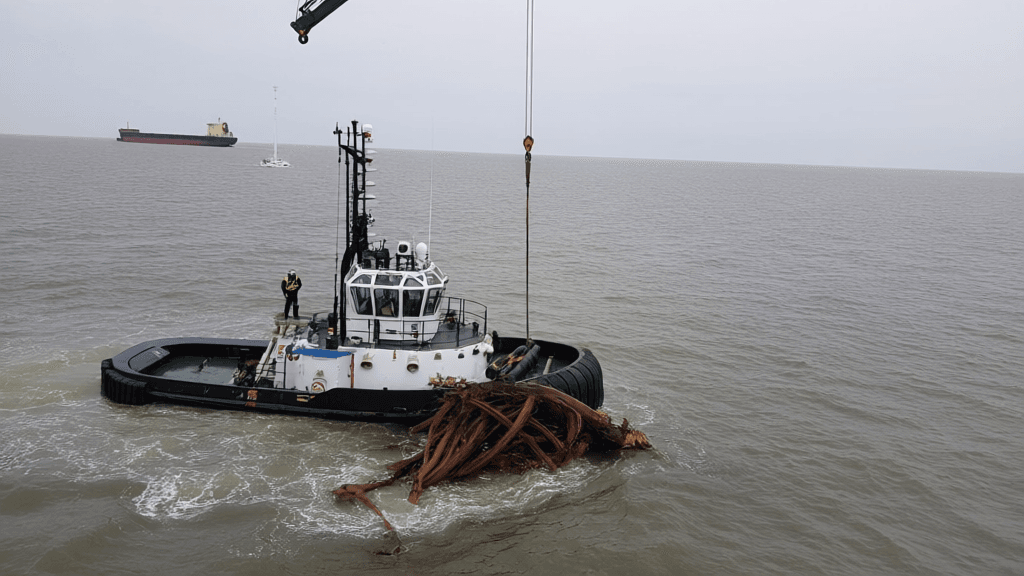
Wreckage Removal Coverage
Wreckage Removal After a Boat Sinks in Galveston Waters
A sunken boat can create immediate safety, environmental, and financial concerns in Galveston waters. This guide explain...
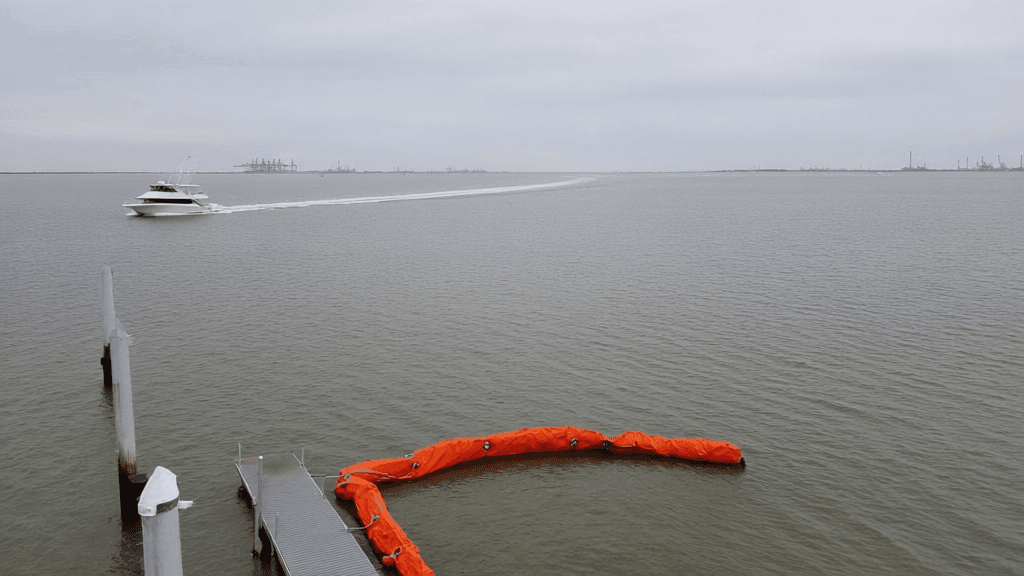
Boat Pollution Liability
Pollution Liability vs. General Boat Liability in Galveston
General boat liability and pollution liability address different types of loss, and one may not substitute for the other...
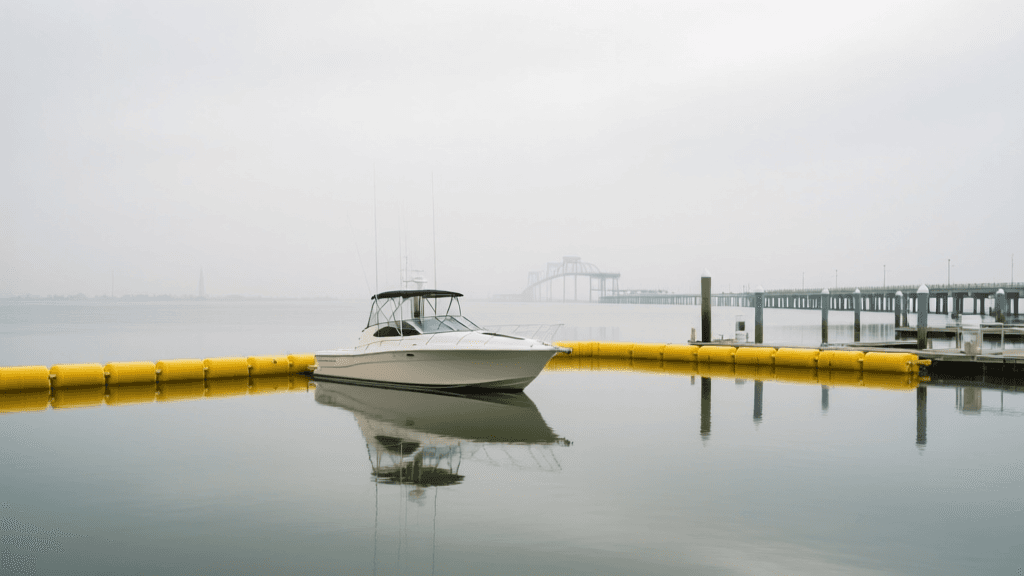
Boat Pollution Liability
Galveston Boat Spill Response: Steps Owners Should Know
A suspected vessel spill calls for a calm, safety-first response. This guide explains how Galveston boat owners can prot...