Why These Two Types of Boat Liability Are Different
A collision near Galveston can create more than one kind of claim. If a boat strikes another vessel, general boat liability may address covered bodily injury or property damage for which the operator is legally responsible. If the collision also ruptures a fuel line and releases gasoline or oil, cleanup and environmental response costs may raise a separate pollution question. Pollution liability and general liability are not interchangeable labels, and a policy’s definitions, exclusions, and limits determine what it may cover. This guide explains the distinction, what details to check, and why Galveston boaters should consider spill exposure as well as ordinary accident liability.
Galveston’s Busy Waterways Make the Distinction Practical
Galveston boaters may travel through the bay, the Intracoastal Waterway, harbor areas, and Gulf waters, where traffic, weather, and changing conditions can complicate an incident. A vessel can be damaged at a dock, grounded in shallow water, or involved in a collision that releases fuel or other pollutants. The resulting response may involve more than repairing a boat: authorities or response contractors may need to contain a sheen, protect nearby shorelines, and remove contaminated material. A claim can therefore involve several parties and categories of expense. The exact response depends on the circumstances, applicable law, and policy language—not simply on whether a policy is described as boat liability coverage.
What General Boat Liability Usually Addresses
General boat liability is commonly designed for covered claims alleging that the insured caused bodily injury or property damage to someone else. For example, an operator who collides with another boat near a marina might face a claim for a passenger’s injuries and damage to the other vessel. The policy may provide defense and payment up to its terms and limits, subject to deductibles, exclusions, and other conditions. It does not automatically cover damage to the insured’s own boat, and it should not be assumed to pay every expense connected with an accident. Review who qualifies as an insured, permitted operators, navigation limits, and the policy’s definition of property damage.
What Pollution Liability May Address
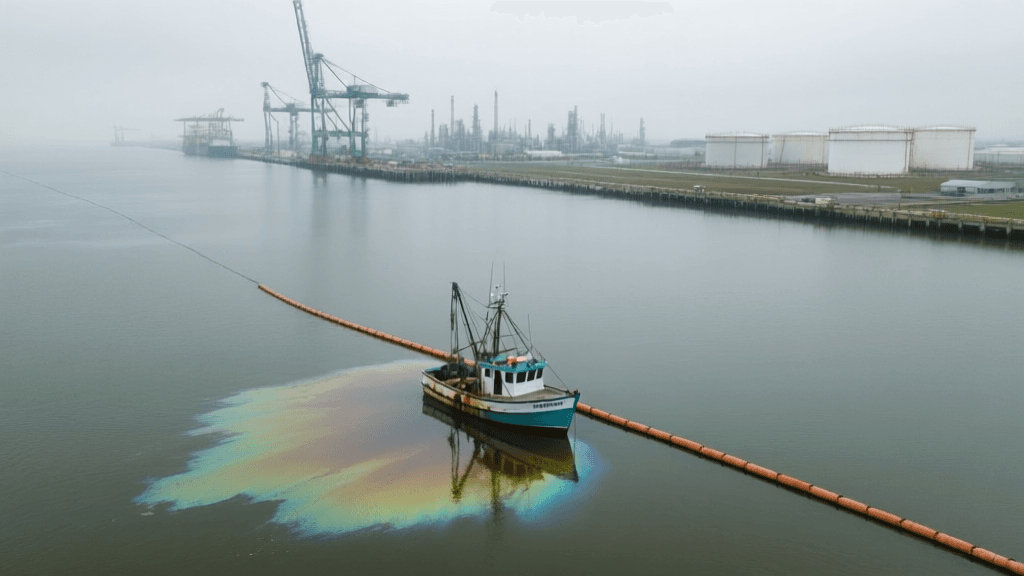
Pollution liability is intended to address specified claims or expenses arising from the release, discharge, or escape of pollutants, but the scope varies substantially by policy. Depending on its wording, coverage may relate to cleanup, containment, removal, or third-party claims associated with a spill. Consider a boat taking on water near a Galveston dock: fuel escaping from a damaged tank could require prompt response, even if no one is injured and the neighboring vessels are not physically damaged. A general liability policy may contain pollution exclusions or limited exceptions, so it is important to check whether pollution-related costs are included, excluded, or available through a separate endorsement or policy.
Why Cleanup Costs Need Their Own Review
Cleanup is not necessarily the same as repairing damaged property. A spill response can involve reporting, containment equipment, trained contractors, removal of contaminated water or materials, and restoration work. Which expenses are legally required, who is responsible, and whether an insurer will pay them depend on the facts, governing requirements, and exact contract language. For instance, a small discharge at a protected shoreline may call for a different response than a release in open water, but even an apparently minor spill can prompt professional assessment. Ask whether the policy addresses emergency response costs, government-directed cleanup, gradual versus sudden releases, and the meaning of pollutant. Do not rely on a coverage label alone.
Policy Language to Compare Before a Claim
Compare the actual wording of available policies rather than judging them by the phrase liability coverage. Look for the definition of pollution or pollutant, any pollution exclusion, and exceptions that may apply to fuel or lubricants discharged from a vessel. Check whether cleanup coverage is first-party, third-party, or both; whether it requires a sudden and accidental event; and whether there are separate sublimits, deductibles, or reporting deadlines. Also confirm territorial limits, eligible vessel types, and whether the coverage applies while the boat is stored, transported, or operated. If a term is unclear, request a plain-language explanation and ask for the relevant policy provision. Coverage is determined by the contract and claim facts.
Local Considerations for Galveston Boat Owners
Galveston’s mix of marinas, bay boating, commercial traffic, fishing activity, and Gulf access makes the location and circumstances of a spill important. A vessel used around Galveston Island may also travel to nearby Texas City, Hitchcock, Kemah, or Clear Lake Shores, so confirm that the policy’s navigation area fits actual trips. Saltwater exposure, storms, and extended periods at a dock can also make maintenance and fuel-system checks worthwhile risk-management steps. Texas and federal requirements may apply depending on the vessel, incident, and waterway; insurance does not replace duties to report or respond to a discharge. When in doubt after an incident, prioritize safety and follow instructions from appropriate authorities.
Practical Questions to Ask When Comparing Coverage
Questions for a Policy Review
- Does general liability exclude pollution claims, and are any fuel-spill exceptions clearly stated?
- Are containment, cleanup, removal, and emergency response expenses covered, and what limits apply?
- Does coverage require a sudden and accidental release, and how does the policy define a pollutant?
- Are claims by government agencies or cleanup contractors addressed, subject to the policy terms?
- Do navigation limits include the Galveston-area waters and nearby destinations used for normal trips?
- What notice, cooperation, and incident-reporting steps apply after a suspected discharge?

Steps to Take Before and After a Spill
Before launching, inspect fuel lines, tanks, fittings, and bilge areas for leaks or unusual odors, and make sure the vessel is maintained according to its manufacturer’s guidance. Keep emergency contact information and the insurer’s claim instructions accessible, and understand whom to notify if a discharge occurs. If a spill happens, protect people first, avoid actions that could spread the pollutant, and follow applicable reporting and response directions from authorities. Document the location, time, apparent source, and visible conditions when it is safe to do so. Notify the insurer promptly as required by the policy, but do not assume that an initial report guarantees coverage; the insurer will assess the claim under the contract and relevant facts.
Choose Coverage Based on the Risks You Actually Face
For a Galveston boat owner, the useful comparison is not simply whether a policy includes liability, but which liabilities it addresses and where its protection stops. General liability may be central for covered injury and property damage claims, while pollution-related coverage may matter when a release creates cleanup or environmental claims. Review the boat’s age and fuel system, how and where it is used, and whether it is kept at a dock or trailered between waterways. Compare limits, exclusions, defense provisions, deductibles, and reporting conditions in writing. A licensed insurance professional can help explain options, but only the issued policy and the circumstances of a claim determine coverage.
Review Your Boat Liability Options
Compare policy wording, limits, and pollution-related provisions before your next outing on Galveston waters.
Get a Free Quote