Start With People, Not the Spill
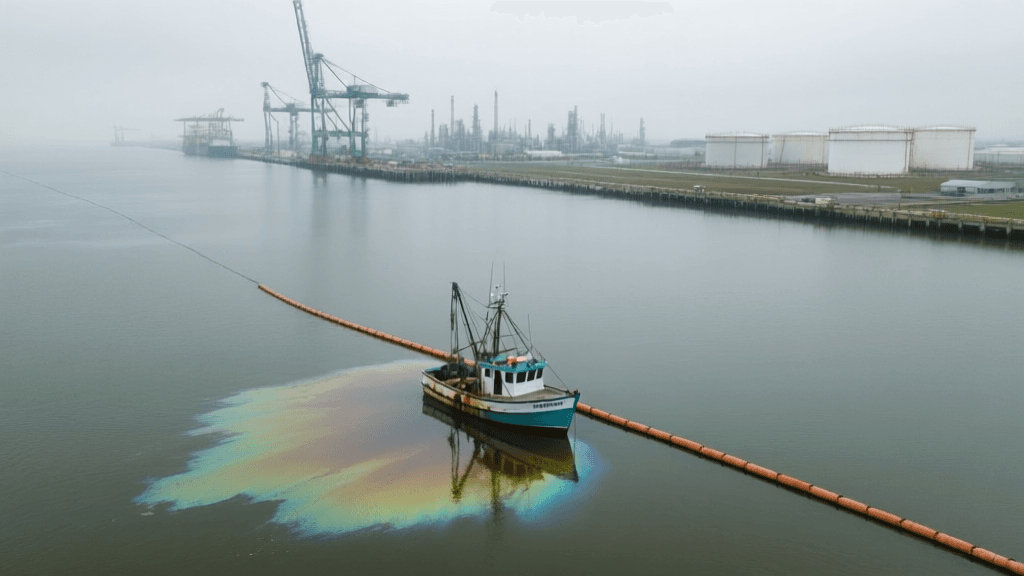
A rainbow sheen near a boat can be alarming, but the first priority is protecting everyone aboard and nearby. In Galveston’s busy marinas and waterways, people may be close to docks, other vessels, fuel systems, and moving traffic. Alert passengers, keep them away from the suspected source, and call 911 if there is fire, a strong fuel odor, an uncontrolled release, injury, or an immediate threat. Do not lean overboard or enter the water to investigate. This guide outlines a practical response: secure people, limit a discharge only when safe, report what you observe, preserve accurate records, and notify the insurer.
Why a Small Suspected Leak Deserves Attention
A spill may begin with a loose connection, damaged fuel line, overfilled tank, leaking engine component, or a sheen noticed after refueling. Wind, current, and boat wakes can spread a surface slick, making its source difficult to identify. A sheen does not by itself establish what substance is present or who is responsible, so avoid speculation and describe only what you actually see or smell. Galveston’s marine environment includes active channels, marinas, and sensitive coastal waters; a delay in reporting can complicate response and documentation. Treat an unexplained discharge as potentially serious and follow directions from emergency responders, the marina, and relevant authorities.
Make the Scene Safer and Stop the Source If You Can
Once people are clear of danger, identify whether there is an obvious source you can safely shut down. If appropriate and safe, turn off a fuel pump, close an accessible valve, stop an engine, or move away from an ignition hazard. Do not restart equipment to test it. Avoid smoking, sparks, and electrical switches around strong fuel vapors, and do not attempt repairs in an unsafe space. Never put a person in the water to block or retrieve a spill. If the vessel is at a marina, tell dock staff promptly so they can activate their procedures and keep nearby boaters clear. If the source cannot be stopped safely, wait for trained responders.
Report the Suspected Discharge Promptly
When there is an active or potentially harmful discharge, contact emergency services if people or property are in immediate danger, and notify marina personnel when the vessel is at a facility. For pollution reporting, the National Response Center is the federal point of contact for oil and hazardous substance releases; its hotline is 800-424-8802. Texas spills may also involve state reporting requirements, so ask the responding authority or Texas Commission on Environmental Quality for current instructions. Give the location, time, substance if known, estimated amount only if you can reasonably assess it, and whether the release is continuing. Report facts rather than guesses, and record the name or reference number of the person who receives your report.
Document What Happened Without Delaying Help
After safety and reporting needs are addressed, make a clear record while details are fresh. Note the date and time, approximate location, weather and water conditions, vessel position, when the sheen or leak was first noticed, and what actions were taken. Photograph or video the scene from a safe location if doing so does not interfere with responders; include wide views as well as the apparent source, but do not handle contaminated materials for a better image. Keep receipts for emergency services, haul-out, repairs, or temporary measures. Collect names and contact details for witnesses and responders, and preserve maintenance and fueling records. Keep original files and avoid editing images or posting uncertain conclusions.
Galveston Location Can Affect the Response
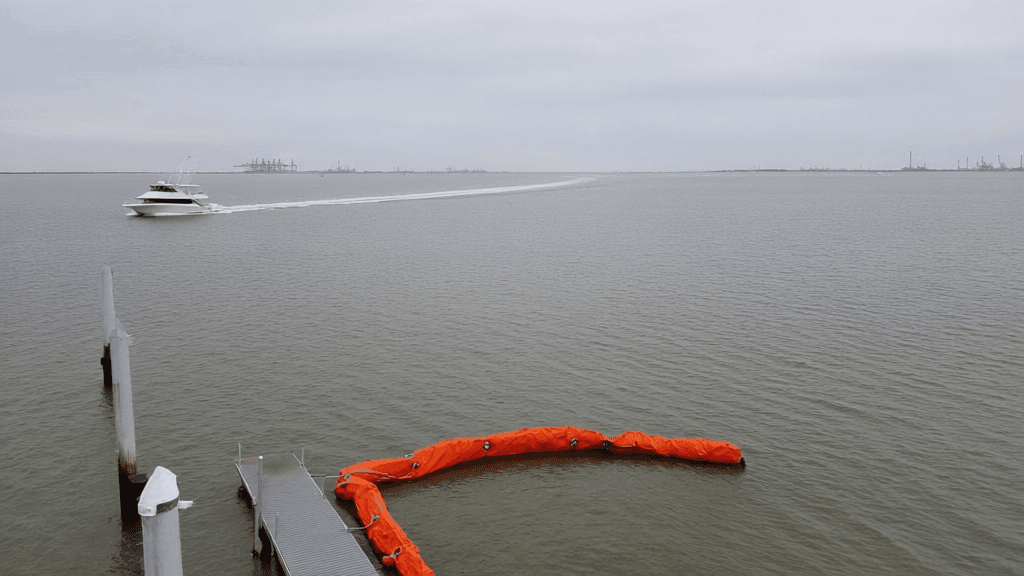
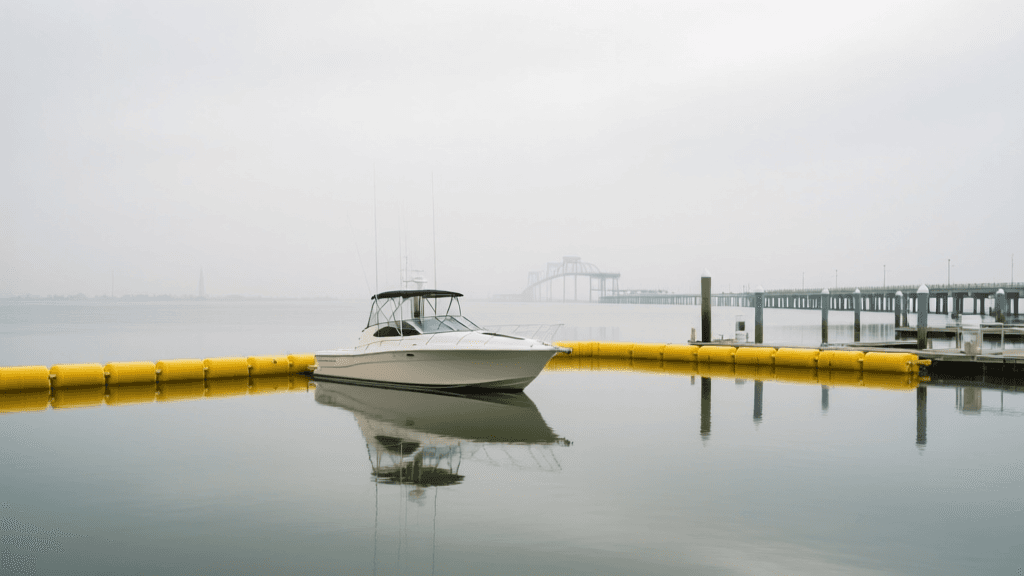
A boat tied up at a Galveston marina may have dock staff, facility reporting procedures, and nearby vessels to consider. A boat underway near the harbor, a channel, or the open coast may need immediate assistance to avoid traffic or navigational hazards as well as a pollution report. Current, wind, and wakes can change the direction of a sheen quickly, so share your position and observations with responders rather than trying to follow it yourself. Owners boating around Texas City, League City, Kemah, or Clear Lake Shores should likewise identify the nearest facility or authority while providing the precise location of the incident. Reporting duties can depend on the substance, quantity, circumstances, and applicable rules.
Keep the Response Limited to Safe, Practical Actions
Key Spill Response Takeaways
- Move passengers away from danger, prevent exposure to fumes, and call emergency services for fire, injury, or an uncontrolled release.
- Shut off an obvious source only when it is safe; do not enter the water, create sparks, or attempt an improvised cleanup.
- Notify marina staff and the appropriate authorities promptly, and provide observed facts, location, time, and whether the release continues.
- Photograph from a safe position, keep a timeline and receipts, and preserve maintenance and fueling records.
- Contact the insurer as soon as practical, follow its claim instructions, and do not assume every cleanup expense or liability is covered.

Notify the Insurer and Review the Policy
Contact the boat insurer promptly after the immediate response is underway, even if the cause or cost is not yet known. Share the basic facts, incident reference numbers, photographs, repair estimates, and receipts as requested, and ask what documentation or inspection is needed. Avoid making unsupported statements about fault or promising payment to another party before understanding the situation. Boat policies vary: physical damage, liability, fuel-spill response, pollution liability, and cleanup costs may be treated differently, and exclusions, limits, and legal requirements matter. An insurer’s acknowledgment is not a guarantee of coverage. Keep copies of communications and follow instructions about preserving damaged parts or arranging repairs.
Prepare Before the Next Galveston Outing
Before leaving the dock, check fuel lines, fittings, bilges, and the engine compartment for unusual odors, wetness, or signs of wear; address concerns before getting underway. Know where fuel shutoffs and emergency equipment are located, and keep emergency and marina contacts accessible without relying on a single phone. Review the vessel’s operating and spill-response procedures with passengers so everyone understands who calls for help and where to assemble. After an incident, arrange a qualified inspection and retain maintenance records. If you are comparing boat insurance, ask specifically how the policy addresses pollution liability, cleanup expenses, reporting duties, deductibles, and exclusions. Careful preparation cannot prevent every leak, but it can make a safer, better-documented response possible.
Review Your Boat’s Spill Response Plan
Check emergency contacts, vessel maintenance, and policy terms before your next Galveston boating trip.
Get a Free Quote