Why Boat Pollution Liability Matters in Galveston
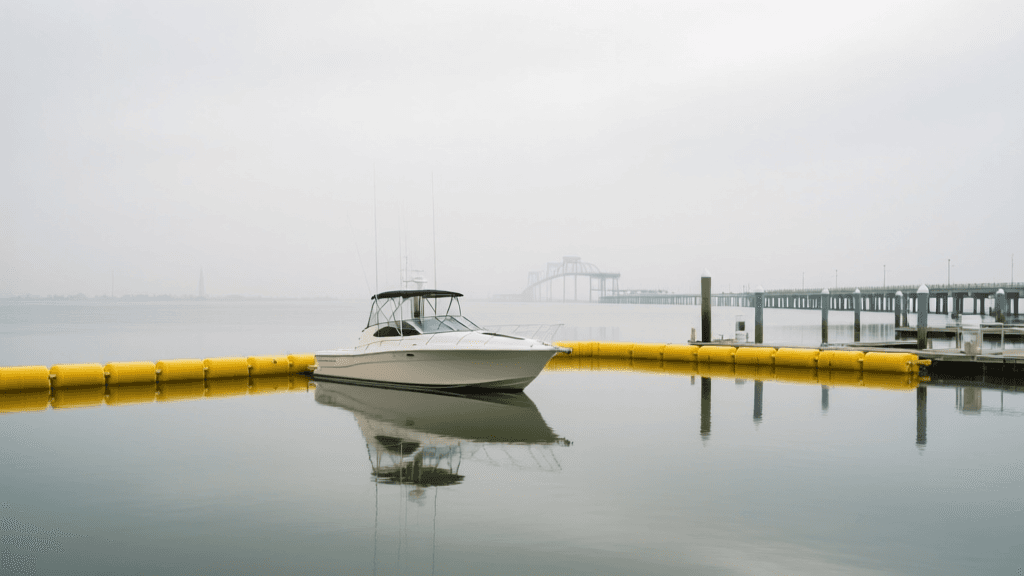
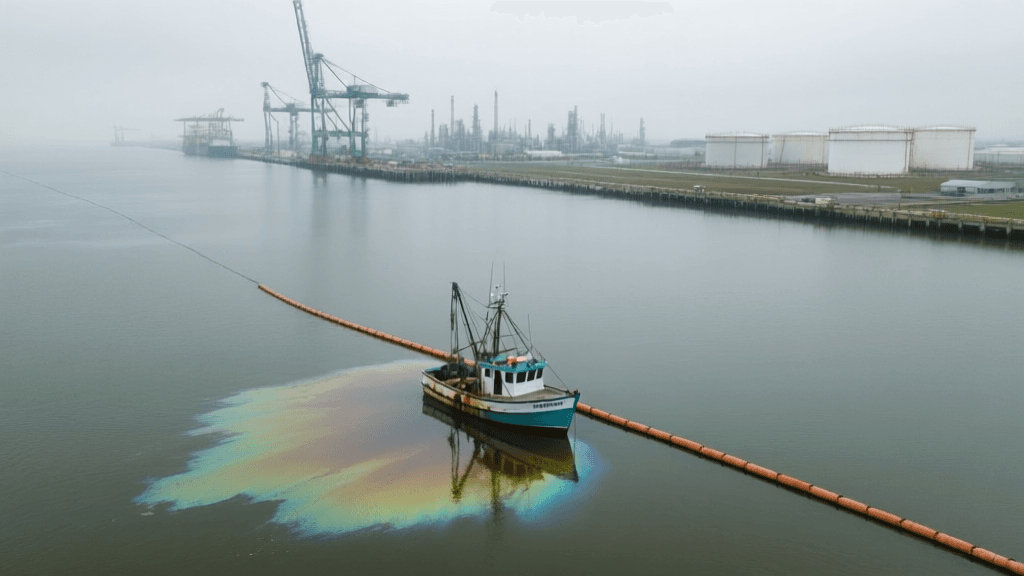
A small fuel sheen beside a boat can become a serious problem when it reaches a marina, shoreline, or busy channel. In Galveston, recreational vessels operate around docks, marinas, Galveston Bay, and coastal waters where currents, tides, and wind can spread a discharge quickly. Boat pollution liability concerns the costs and claims that may follow the release of fuel, oil, or another contaminant. A standard boat policy may include some pollution-related protection, but coverage is not automatic or unlimited. This guide explains common exposures, immediate response considerations, and the policy details Galveston boat owners should check before launching.
How Spills Happen Around Galveston Waters
Pollution incidents do not always involve a collision or a large vessel casualty. A loose fuel hose, an overfilled tank vent, a damaged engine line, or a container of oil tipping in rough conditions can release pollutants. A boat taking on water or grounding near a shallow shoreline may also leak fuel before the operator recognizes the source. Galveston’s changing weather, saltwater corrosion, heavy weekend traffic, and frequent fueling activity can make routine maintenance and careful handling especially important. Even a small discharge can spread beyond the boat, affect other users, and prompt a marina or public authority to request cleanup. Prevention starts with inspecting hoses, fittings, bilges, and fuel systems.
What Boat Pollution Liability May Cover
Pollution liability is coverage that may help address certain costs or claims arising from a discharge of pollutants, subject to the policy’s wording, limits, and exclusions. Depending on the contract, covered expenses could include reasonable cleanup costs or third-party claims for damage connected to a covered incident. For example, a sudden fuel-line failure while a boat is docked might lead to a sheen that requires professional response and affects neighboring slips. Whether those expenses are insured depends on how the policy defines a pollution event, the cause and timing of the release, and whether prompt notice was given. Do not assume that general liability or physical-damage coverage automatically pays for cleanup, regulatory response, or every pollution-related claim.
Exclusions, Limits, and Policy Language to Check
Read the pollution wording alongside the declarations page rather than relying on a coverage label alone. Look for the maximum amount available for pollution cleanup, whether that amount is part of or separate from the overall liability limit, and whether a deductible applies. Check how the policy defines pollutants and whether it distinguishes a sudden, accidental event from gradual leakage or routine seepage. Some contracts may exclude intentional discharges, wear and tear, maintenance failures, fines, or costs caused by a violation of law; exclusions vary, so confirm the actual wording. Also ask whether the policy covers response expenses before a third-party claim is made and whether the boat’s tender, fuel equipment, or activities at a marina are included.
What to Do When You Notice a Spill
If a discharge occurs, protect people first and avoid actions that could create a fire, health, or navigation hazard. If safe, stop the source, shut down the engine, and keep ignition sources away from fuel vapors. Do not try to wash a sheen away or use a dispersant unless an authorized responder directs you to do so; improper treatment can spread contamination or violate response rules. Notify the marina and the appropriate authorities promptly, then contact the insurer using the policy’s claims instructions. Record the time, location, suspected material, source, weather, and steps taken, and photograph conditions when safe. Keep receipts and responder details, but do not delay urgent notification while gathering paperwork.
Reporting Duties and Response Coordination
A policy may require notice as soon as practical, cooperation with the investigation, and approval before accepting responsibility or arranging non-emergency work. These duties matter because delays can make a spill harder to contain and may complicate a coverage review. Separate from insurance requirements, federal and state rules can require reporting certain discharges; the responsible authority and applicable threshold depend on the substance, circumstances, and location. In Galveston, a spill may involve marina staff, local responders, state agencies, or federal authorities. When in doubt, promptly contact the appropriate emergency or spill-reporting channel and follow official instructions. Ask the insurer how to coordinate cleanup vendors and preserve records, but never wait for an insurance decision before taking necessary steps to protect people and limit damage.
Local Considerations for Galveston Boat Owners
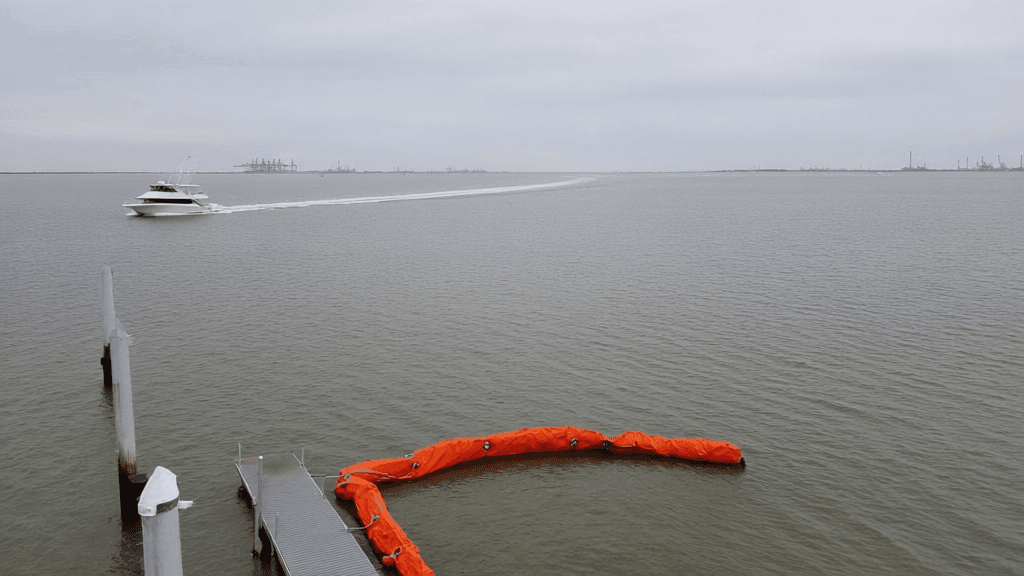
Galveston boaters may move between protected marina slips, open stretches of Galveston Bay, and exposed coastal areas where wind and current can change the direction of a sheen. A spill near a dock can affect neighboring vessels and trigger marina procedures; a discharge underway may spread before the source is found. Owners who also use launch sites or marinas in Texas City, Kemah, League City, Hitchcock, or San Leon should check whether the policy applies throughout their normal navigation area and while the vessel is stored or serviced. Keep a suitable spill-response kit onboard if appropriate for the vessel, know how to reach marina staff, and maintain an emergency contact list. Local response instructions can differ by site, so review them before an incident.
Key Policy and Prevention Checks
- Confirm the pollution limit, deductible, covered cleanup expenses, and whether the limit is separate from general liability.
- Ask how the policy treats sudden accidental releases compared with gradual leaks, seepage, or maintenance-related failures.
- Review notice deadlines, claim reporting instructions, cooperation duties, and any requirement to obtain approval for contractors.
- Inspect fuel hoses, clamps, tank vents, bilges, and oil containers regularly, and address corrosion or leaks before departure.
- Keep policy details and emergency contacts accessible onboard, and document maintenance and fueling practices.

Next Steps Before Your Next Trip
Before heading out from Galveston, review the complete policy and ask specific questions about fuel and oil discharges rather than simply asking whether pollution coverage is included. Find out what cleanup costs may qualify, what exclusions apply, how to report an incident, and whether the limit is adequate for the vessel’s size, fuel capacity, and usual navigation. If the boat is used at multiple marinas or kept in different locations, confirm that those circumstances are covered. Compare policy wording as well as premiums, and keep written answers with your insurance documents. A clear understanding of coverage cannot prevent every spill, but it can help you respond faster, avoid preventable gaps, and make informed choices about boating risks.
Review Your Boat’s Pollution Liability
Compare policy limits, exclusions, and reporting duties before your next Galveston boating trip.
Get a Free Quote