Start With People’s Safety
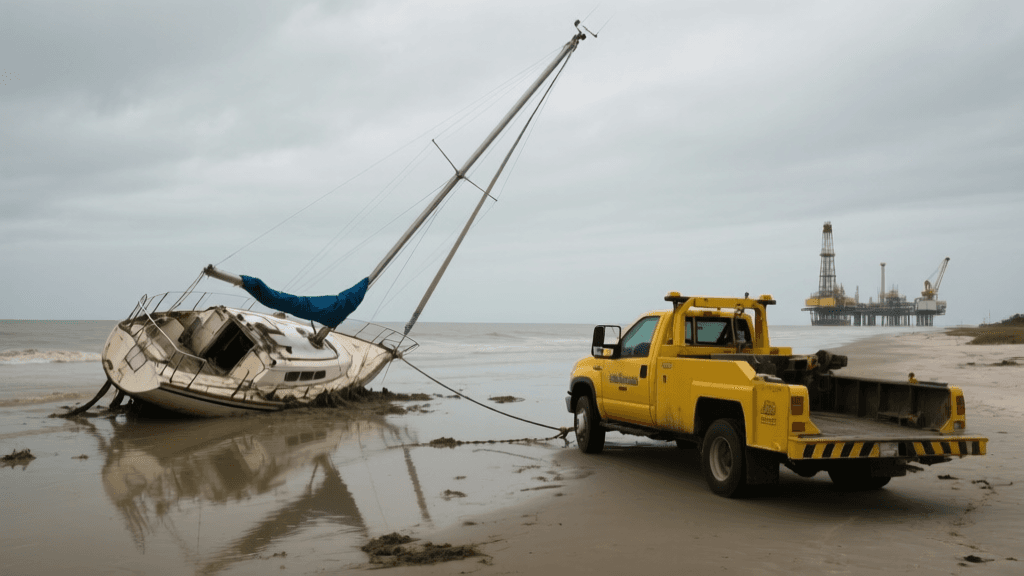
A boat sinking in Galveston waters can quickly become a safety emergency, a navigation hazard, and a costly recovery problem. Whether a vessel goes down at a marina, near a channel, or while underway in Galveston Bay, put people before property. Call emergency services if anyone is injured, missing, or in immediate danger, and do not enter the water to retrieve belongings or attempt a risky tow. Once everyone is safe, the next priorities are notifying the proper authorities, limiting environmental harm where possible, and contacting the insurer. This guide explains the decisions to make and the records to preserve.
Why a Sunken Boat Needs Prompt Attention
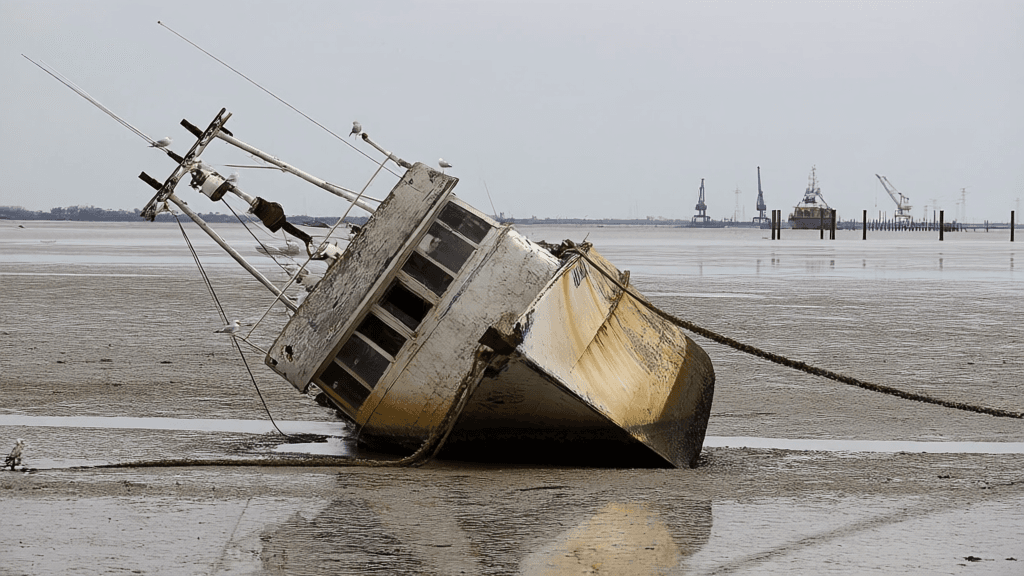
A submerged vessel may be difficult for other boaters to see, especially in changing weather, low light, or busy recreational areas. Galveston’s working waterfront, marinas, channels, and bay access points mean a wreck can affect navigation as well as its owner. Fuel, oil, batteries, and other materials can also pose environmental concerns. The exact response depends on where the boat sank, its condition, and whether it is obstructing a route or leaking. Avoid assuming the vessel can simply remain in place until a convenient date. Promptly report the situation and ask the relevant authority what steps are required for marking, securing, or removing it.
Report the Incident and Coordinate Before Recovery
After addressing immediate danger, notify the appropriate emergency, marine, or waterway authority and follow instructions about the hazard. Reporting obligations can depend on the incident, location, and circumstances, so confirm which agency has jurisdiction rather than relying on assumptions. Contact your insurer promptly, provide the basic facts, and ask how to proceed with inspection, salvage, and removal. A commercial salvage operator may be needed, but clarify who is authorizing work and how charges will be documented. If there is an urgent threat to life, navigation, or the environment, necessary protective action should not be delayed while waiting for a routine claims call; keep a clear record of what was done and why.
Understand What Wreckage Removal Can Involve
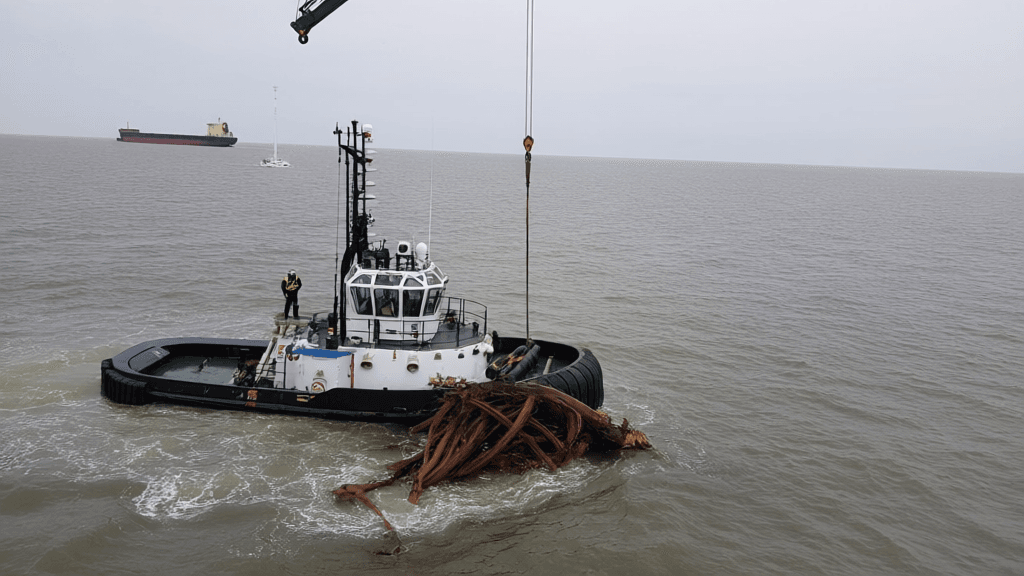
Wreck removal is more than lifting a boat out of the water. A contractor may need to assess depth, currents, access, vessel stability, nearby docks, and the safest way to contain fluids before raising or towing the hull. Those factors can make a small vessel surprisingly expensive to recover, particularly if it is in a confined marina or near a navigation route. Ask for a written scope that separates assessment, containment, lifting, transport, disposal, and any emergency response charges. Request the contractor’s qualifications and confirm that the proposed plan addresses the site conditions. Keep estimates, work orders, invoices, and communications, since clear itemization can help with both authority coordination and an insurance claim.
Check the Policy for Removal and Pollution Terms
Boat policies do not all handle wreckage removal the same way. Some may include a separate wreck-removal obligation or limit, while others may address salvage under different terms. Pollution liability, physical damage, deductibles, exclusions, and the cause of the sinking can all affect what is payable. A policy’s coverage limit may not match the full cost of removing a boat from a difficult location. Ask the insurer whether removal is covered, whether a special limit applies, whether the insurer needs to approve a contractor, and how emergency expenses are handled. Request an explanation tied to the actual policy wording; a general statement that the boat is insured does not answer whether removal costs are included.
Document the Loss Without Taking Risks
Create a timeline as soon as practical, noting when the boat was last known to be afloat, when the sinking was discovered, weather and water conditions, and whom you contacted. Photograph or video the scene only from a safe location and follow instructions from responders; never approach unstable wreckage or enter the water for evidence. Save registration and ownership records, maintenance history, purchase information, policy documents, witness details, and all estimates and receipts. Record conversations with dates, names, and the guidance received. If property was aboard, make an inventory from memory or existing records rather than attempting an unsafe recovery. Organized documentation helps explain what happened and supports a more efficient review of the loss and related expenses.
Local Considerations Around Galveston
Galveston boaters may encounter very different recovery conditions depending on whether a vessel sinks in a marina, along the bay, or near a busier waterway. Wind, tides, currents, shallow areas, and vessel traffic can affect access and the urgency of marking or removal. A boat owner in Galveston should give authorities and the insurer a precise location, useful landmarks, and any known information about depth or nearby structures. Similar questions can arise for boaters from Texas City, La Marque, League City, Kemah, and Clear Lake Shores who use connected coastal waters. Do not assume the same agency, contractor, or response timeline applies everywhere; confirm the requirements for the exact location of the wreck.
Key Steps to Keep the Response Organized
Practical Checklist
- Get everyone to safety and call emergency services when anyone is at risk; do not attempt an unsafe recovery.
- Report the wreck and follow directions from the authority responsible for the location and waterway.
- Notify the insurer promptly and ask about contractor approval, emergency work, removal limits, and pollution provisions.
- Request a written salvage scope and itemized estimate, and retain every work order, invoice, photo, and communication.
- Track deadlines and instructions, and ask for policy-specific explanations rather than relying on assumptions about coverage.

What to Do Next
Once the immediate response is underway, review the declarations and policy wording for physical damage, salvage, wreck removal, and pollution liability. Write down unanswered questions and ask the insurer to explain relevant limits, deductibles, exclusions, and documentation requirements. If a removal deadline or authority notice is involved, share it promptly and keep a copy of every response. For future trips, consider whether the policy’s removal limit would realistically meet local recovery costs and whether emergency assistance provisions fit the way and places the boat is used. Boaters in Galveston and nearby coastal communities can use this review to prepare before the next outing, when there is time to compare terms and make informed coverage decisions.
Review Your Boat Coverage Before the Next Trip
Compare policy terms for salvage, wreck removal, and pollution liability so you understand what may apply if a vessel sinks.
Get a Free Quote