Why Wreck Removal Belongs in Your Galveston Boat Insurance Review
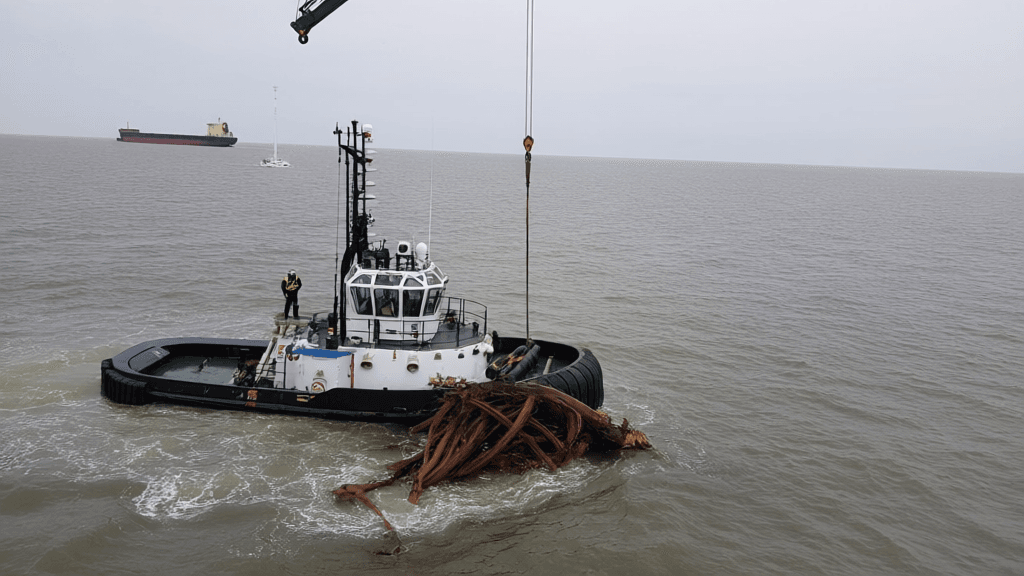
A boat casualty can leave an owner facing two separate problems: damage to the vessel and the cost or duty to move what remains. In Galveston, a disabled or sunken boat may be in a channel, near a marina, or exposed to shifting weather and water conditions, so recovery decisions can become urgent. Wreck removal may include raising, towing, transporting, and disposing of the vessel, but policies do not treat every expense the same way. Before boating season or a policy renewal, check how your contract defines wreck, salvage, removal, and pollution costs. This guide highlights questions to ask before an incident, when timely preparation can make a stressful claim easier to manage.
What Makes a Casualty a Removal Problem?
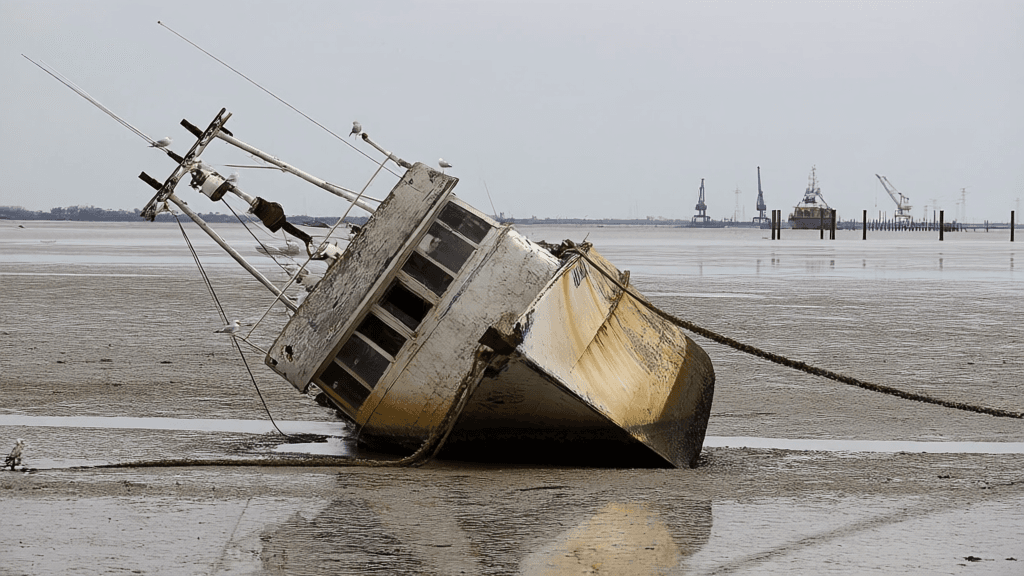
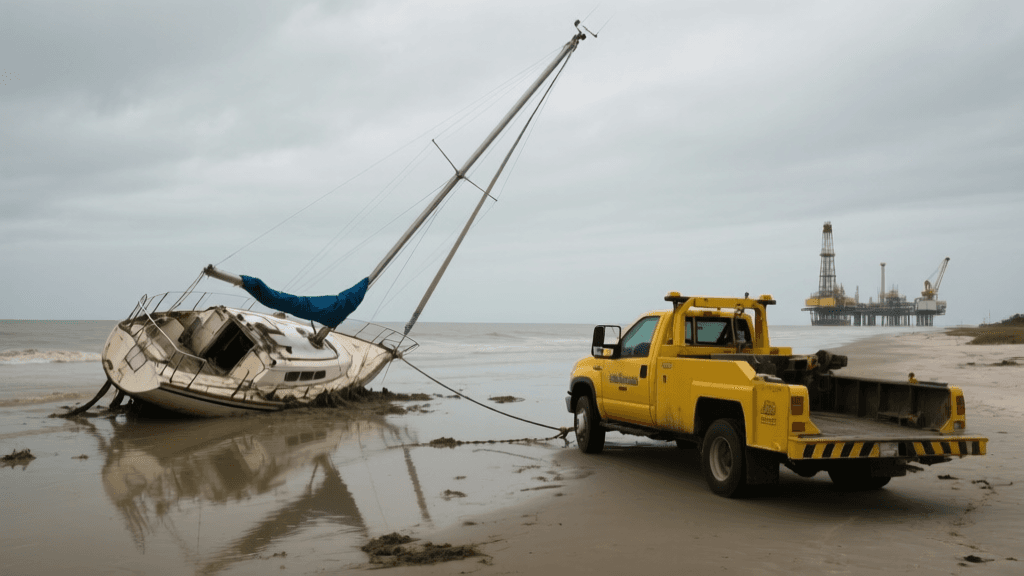
A vessel is not necessarily considered a removable wreck simply because it is damaged. Its position, navigational impact, condition, and risk of leaking fuel or other pollutants can influence what authorities require and what work a salvage contractor recommends. A boat taking on water at a private dock may present a different situation from a capsized craft obstructing a busy route in Galveston Bay. Costs can grow when crews need specialized equipment, divers, barges, or work in difficult weather. The exact responsibility depends on the facts and applicable rules, so owners should not rely on a general online description as a legal determination. Ask your insurer and the relevant authority what process applies to your location.
Read the Policy for Specific Removal Language
Look beyond the policy’s overall boat value or hull coverage limit. Search the declarations and coverage wording for separate limits addressing wreck removal, salvage, emergency services, and pollution response. Confirm whether expenses are paid in addition to the vessel’s insured value or are included within it, and whether a deductible applies. Also review exclusions, geographic limits, named operators, and conditions requiring prompt notice or prior approval. A policy may distinguish between reasonable emergency measures and planned recovery work, which affects how bills are handled. Ask for a plain-language explanation and, if possible, a sample scenario: for example, what happens if the boat sinks at a Galveston marina and a contractor must raise and tow it for disposal?
Coordinate Wreck Removal With Liability Coverage
Wreck removal can intersect with liability protection, but the categories are not interchangeable. Liability coverage may respond to covered damage or injury for which an insured is legally responsible, while physical damage coverage generally addresses the insured vessel itself. Some policies contain distinct provisions for wreck removal or pollution expenses; others may apply conditions or narrower limits. Do not assume that a liability limit automatically pays every recovery, storage, or disposal invoice. Ask how the policy handles a third-party marina’s property damage, a contractor’s salvage bill, and any environmental response costs, and whether one payment reduces another limit. Getting these answers in writing before an accident can clarify which coverage applies and which expenses may remain the owner’s responsibility.
Report the Incident and Preserve the Paper Trail
After a casualty, first protect people and call emergency services when needed. Report the incident promptly to the insurer using the policy’s claim instructions, and provide the location, time, vessel details, known injuries, and immediate hazards. Follow instructions from authorities and avoid moving or authorizing non-emergency salvage work until you understand any required approvals, when circumstances allow. Photograph the scene from safe positions, record weather and water conditions, and keep messages, estimates, work orders, and receipts. Write down who gave instructions and when. If emergency action is necessary to prevent injury or worsening damage, document why it could not wait and notify the insurer as soon as practicable. Accurate records help explain both the urgency and the reasonableness of expenses.
Galveston Conditions Make Planning Practical
Galveston boaters use a mix of bay, channel, marina, and Gulf-adjacent waters, and the right response can depend on the exact location of a casualty. A vessel near a marked route may need rapid attention to reduce hazards, while a boat at a dock may involve marina rules and access arrangements. Wind, tides, visibility, and storm conditions can affect when a recovery crew can safely work and what equipment is required. Owners based in Galveston or nearby boating communities such as Texas City, Hitchcock, and Clear Lake Shores should keep the insurer’s claim number, vessel identification, and emergency contacts accessible. Local familiarity does not replace policy review: confirm which waters are covered and who should be notified for the type of incident and location.
Questions to Ask Before You Need a Claim
Coverage Review Checklist
- Ask whether wreck removal, salvage, emergency towing, and pollution response have separate limits or share a limit with other coverage.
- Confirm whether removal expenses are paid in addition to the boat’s insured value, and ask how deductibles and sublimits apply.
- Find out what notice, documentation, and consent requirements apply before selecting a salvage contractor or authorizing work.
- Check navigation-area restrictions, covered operators, and any conditions relevant to Galveston Bay, marinas, or Gulf access.
- Save the insurer’s claim contact information and keep vessel records, photographs, and policy documents easy to retrieve.

Next Steps After Reviewing Your Policy
If the wording is unclear, contact the insurer or a qualified insurance professional with the policy in hand and ask specific questions about wreck removal, salvage, liability, and pollution expenses. Request the applicable limit, any sublimit, and the notice or approval steps in writing. If a casualty has already happened, prioritize safety, follow directions from the appropriate authorities, and report the loss promptly; do not delay emergency action when people or the environment are at immediate risk. Compare policy terms rather than relying only on premium or the boat’s stated value. A careful review can help Galveston boat owners understand potential financial exposure and prepare a practical response plan before the next trip.
Review Your Boat Coverage Before the Next Trip
Compare policy limits, removal provisions, and claim requirements so you know what questions to ask before a casualty occurs.
Get a Free Quote