Why the Distinction Matters After a Galveston Boating Incident
After a grounding, collision, fire, or breakdown near Galveston, people may use “salvage” and “wreck removal” as if they mean the same thing. They can involve different goals and responsibilities, however, and the label on a service or invoice does not by itself determine what a policy will pay. Salvage generally focuses on saving property or helping a vessel and its contents, while wreck removal addresses a vessel or debris that must be cleared from a location. Knowing what work is being proposed can help an owner ask better questions, preserve records, and notify the insurer promptly. This guide explains practical distinctions for Galveston boat owners without assuming that every incident or policy is alike.
What Salvage Usually Means
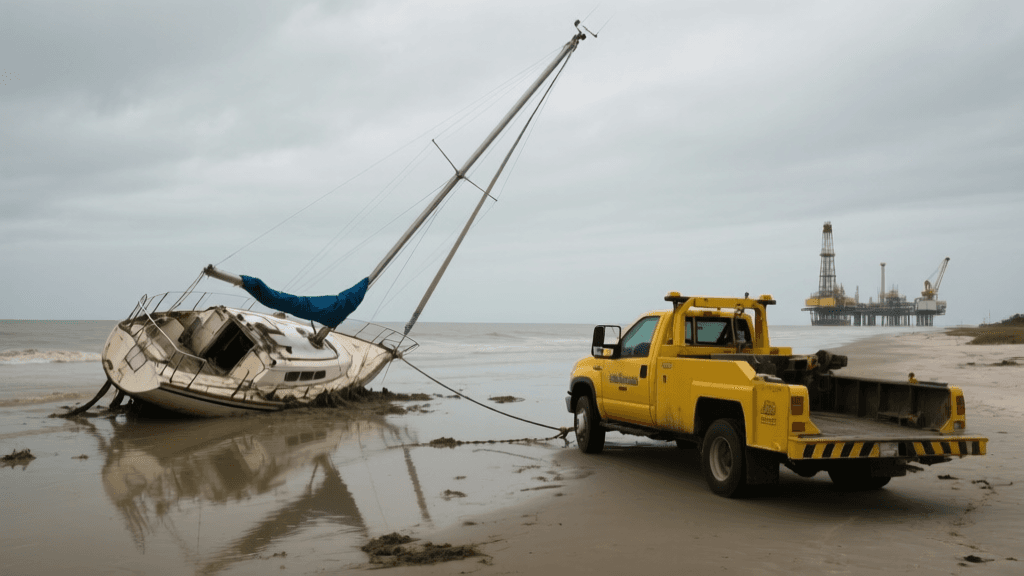
Marine salvage commonly means voluntary assistance to recover a vessel, cargo, or other property from peril on navigable water. A response might include pumping water, towing a disabled boat, refloating a grounded hull, or recovering property after a vessel takes on water. The work is aimed at protecting or saving property, though the actual scope depends on conditions and the agreement made with the responder. A salvage provider may discuss compensation based on the circumstances, services, and applicable maritime rules; do not assume one standard price or formula. In Galveston Bay, changing weather, currents, shallow areas, and vessel traffic can affect how urgent and complex a recovery becomes.
What Wreck Removal Is Intended to Address
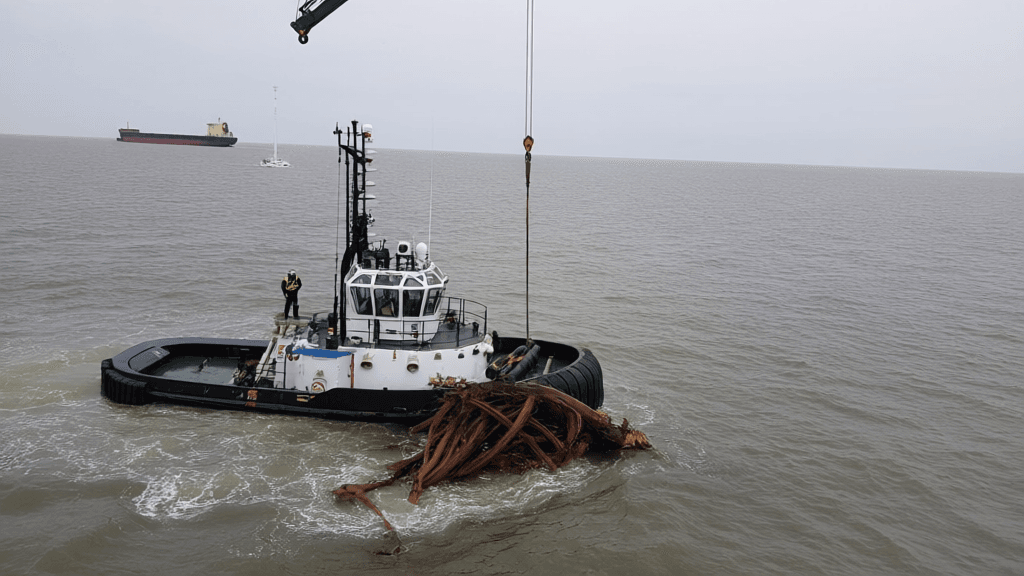
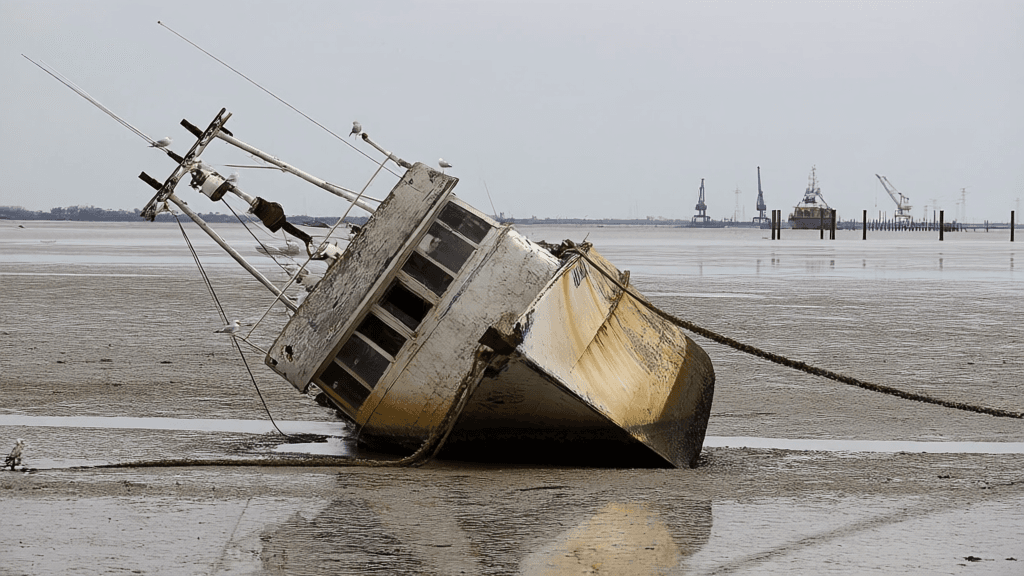
Wreck removal generally concerns clearing a sunken, stranded, abandoned, or otherwise obstructive vessel or its debris. The concern may be navigation safety, environmental protection, or compliance with instructions from an authority. Depending on location and circumstances, a boat owner may receive direction from the U.S. Coast Guard, a port authority, or another agency with jurisdiction. Removal can involve raising or dismantling a vessel, transporting it, and managing fuel, batteries, or other hazards. These tasks are not necessarily the same as saving a boat for repair or returning it to service. Ask who has authority over the site, what deadline applies, and whether the direction is written before arranging non-emergency work.
Why Charges and Responsibilities Can Differ
The same incident can lead to more than one kind of service. For example, a crew may first tow a disabled boat away from immediate danger, then a separate contractor may be needed to remove the vessel if it sinks in a channel or cannot be safely recovered intact. Emergency response, salvage compensation, storage, environmental cleanup, and wreck removal may be billed or handled separately. Insurance treatment depends on the policy wording, covered cause of loss, limits, exclusions, and any duties imposed by an authority. Some policies address wreck removal or pollution-related costs differently from physical damage to the boat. Request itemized descriptions of work and charges, and send them to the insurer rather than deciding coverage from a service label alone.
Questions to Ask Before Authorizing Work
If there is no immediate threat to life, navigation, or property, pause long enough to understand the proposed response. Ask the contractor to explain whether the job is towing, salvage, wreck removal, pollution control, or a combination, and request the scope and rate basis in writing when practical. Find out whether equipment, labor, standby time, transport, storage, and disposal are billed separately. Confirm who is requesting the work and whether an agency has issued a direction or deadline. Contact the insurer’s claims line as soon as possible and ask whether it wants to inspect the boat or approve a contractor. Do not delay an urgent safety response while trying to resolve paperwork; document the emergency and notify the insurer as soon as conditions permit.
Document the Incident and Keep the Paper Trail
Good records make it easier to explain the sequence of events and evaluate a claim. When safe, take photographs or video of the vessel, damage, location, weather, debris, and work underway. Write down the time, approximate position, people contacted, instructions received, and the names of responders or agencies. Save dispatch notes, text messages, estimates, work authorizations, invoices, receipts, and any written order to remove or move the boat. Ask for a final invoice that separates each service and identifies dates, equipment, and labor. Avoid altering or disposing of damaged parts before the insurer has had a reasonable opportunity to advise you, unless safety or an authority requires immediate action. Keep copies of everything together for follow-up.
Galveston Conditions Make Prompt Coordination Important
Galveston boaters may encounter shallow flats, shifting conditions, busy channels, strong currents, changing tides, and weather that can complicate a recovery. A disabled boat near a navigable route may require prompt movement even if the owner hopes to repair it. The practical response can differ between the Gulf-facing coast, Galveston Bay, and nearby waters used by boaters from Texas City, League City, Kemah, and Clear Lake Shores. Local conditions do not automatically determine who pays, but they can affect urgency, access, equipment, and the work required. Follow instructions from appropriate authorities, prioritize safety, and keep the insurer informed when a response changes from a tow or recovery into a removal operation.
Key Points to Remember
- Salvage typically aims to save property or assist a vessel in peril; wreck removal generally focuses on clearing a vessel or debris from a location.
- One incident may involve towing, salvage, removal, storage, or environmental services, with separate scopes and charges.
- Ask who requested the work, what authority or deadline applies, and what each quoted charge covers.
- Notify the insurer promptly, follow reasonable safety directions, and ask about inspections or approval requirements.
- Keep photographs, written instructions, contracts, invoices, and a timeline of calls and work.

What to Do Next
Once immediate safety needs are handled, gather the incident timeline, photographs, authority notices, service agreements, and itemized bills. Contact the insurer and ask specifically how the policy treats towing, salvage, wreck removal, pollution response, and any required mitigation. Review the policy itself for definitions, limits, deductibles, reporting duties, and any conditions requiring consent; ask the claims representative to explain how those terms apply to the facts. If a contractor’s invoice or an agency instruction is unclear, request a written explanation and keep communication professional and specific. Before the next trip from Galveston, check that your policy details, emergency contacts, and vessel information are current, and understand how to reach claims support while on the water.
Review Your Boat Policy Before You Need It
Compare policy terms and ask how towing, salvage, wreck removal, and related costs may be handled for your boating needs.
Get a Free Quote