Why These Two Boat Coverages Matter in Galveston
If a boat is damaged near Galveston, the cause of the loss can determine whether collision or comprehensive coverage may respond. A hard impact against a dock is different from a fire aboard a boat or theft from a storage location, and policies generally place those events in different coverage categories. Understanding the distinction helps boat owners ask better questions before a claim, rather than discovering after an accident that a deductible, exclusion, or policy limit applies. This guide explains the basic definitions, common examples, and practical details to review for boats kept or used around Galveston Bay and the Gulf Coast.
What Collision Coverage Generally Means
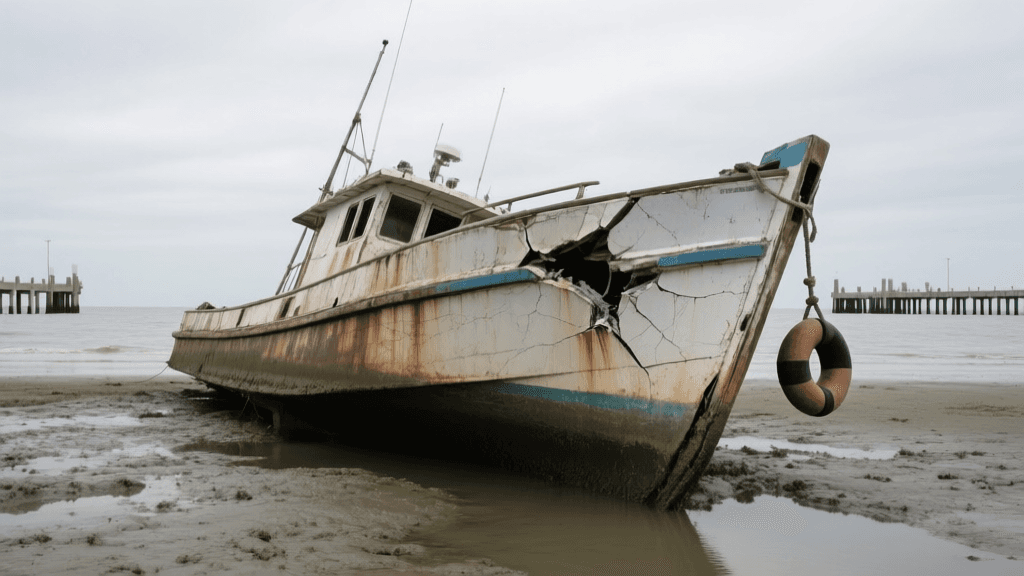
Boat collision coverage generally addresses direct, accidental physical damage caused when the insured boat strikes another object or vessel, or when it overturns. For example, a boater navigating a crowded marina channel might misjudge a turn and hit a piling, damaging the hull. A collision with another boat while underway may also fit the general idea, subject to the policy language and facts of the incident. Collision coverage is not a guarantee for every repair: the insurer evaluates the cause, covered property, exclusions, and applicable limit. Liability for damage to someone else’s boat is a separate coverage question, so owners should not assume their collision protection pays every party involved.
What Comprehensive Coverage Generally Means
Comprehensive coverage generally applies to certain physical losses that are not caused by collision or overturning. Depending on the contract, examples may include theft, vandalism, fire, lightning, or damage from falling objects. A boat damaged by a fire while stored ashore presents a different kind of loss from a boat that strikes a channel marker. Comprehensive coverage may also address some weather-related events, but coastal storm provisions can be complex and vary substantially by policy. The word comprehensive does not mean every possible loss is included. Owners should look for exact covered causes, exclusions, protective requirements, and any special limits that apply to equipment, trailers, or personal property.
How to Think About Deductibles
A deductible is the amount the policyholder is responsible for paying toward a covered loss before the insurer pays the remaining eligible amount, subject to limits and other terms. Collision and comprehensive losses may have different deductibles. Consider a covered dock impact that causes $4,000 in eligible damage: if the applicable collision deductible is $1,000, the calculation may leave up to $3,000 before limits and claim adjustments. This is only an illustration, not a promise of payment. A higher deductible can reduce premium in some cases but means more out-of-pocket cost after a claim. Check the declarations page and ask whether storm or named-storm losses use a separate deductible.
Exclusions and Conditions Can Change the Outcome
Exclusions identify losses or circumstances a policy does not cover, while conditions describe requirements the policyholder must meet. Policies may restrict coverage for wear and tear, gradual deterioration, corrosion, mechanical breakdown, lack of maintenance, or use outside the permitted navigation area. Some may impose requirements for winter storage, theft prevention, operator qualifications, or notifying the insurer when the boat is used for charter or commercial purposes. A sudden engine failure is not automatically a collision loss simply because the boat later drifts into a dock; the sequence and policy wording matter. Keep maintenance records, follow storage and security requirements, and report changes in boat use or location so the policy information stays accurate.
Galveston Conditions Worth Reviewing
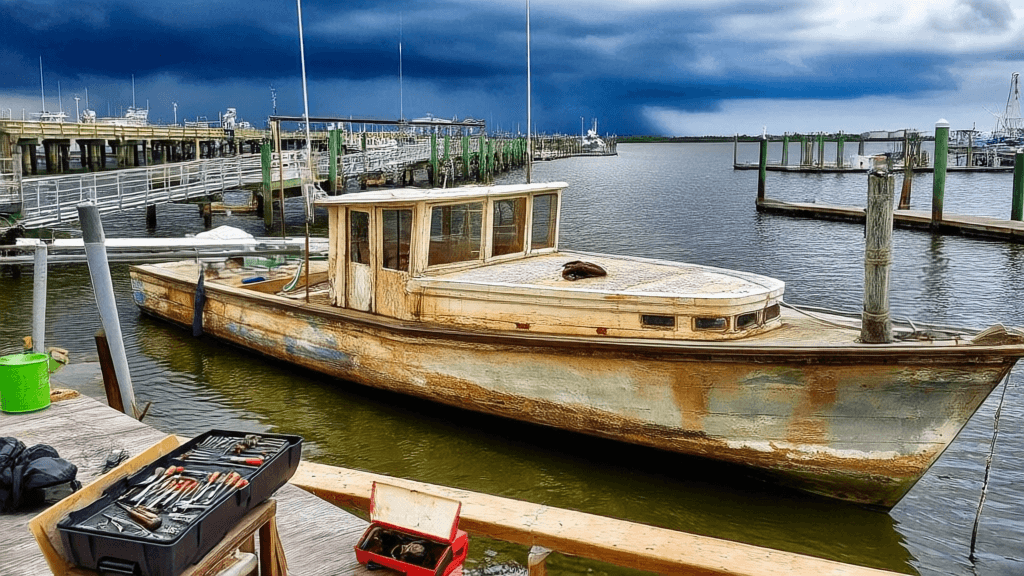
Galveston boaters may move between marina slips, Galveston Bay, the Intracoastal Waterway, and Gulf waters, so navigation limits and storage details deserve attention. Busy launch areas and dock traffic can make accidental impacts a practical concern, while coastal weather can raise questions about wind, storm surge, flooding, and named-storm language. Coverage for a boat stored in Galveston may also differ in practical terms from a boat regularly kept in Texas City, League City, Kemah, or San Leon, depending on the insurer’s underwriting and policy provisions. Before storm season, confirm where the boat is covered, whether haul-out or secure-storage steps are required, and how a special deductible would be calculated.
A Useful Checklist for Comparing the Coverages
Questions to Ask When Reviewing a Boat Policy
- Ask which events count as collision and which fall under comprehensive coverage, using examples such as a dock impact, fire, theft, and wind damage.
- Compare the collision and comprehensive deductibles separately, and ask whether a named-storm or hurricane deductible applies in Galveston.
- Confirm coverage territory, storage location requirements, navigation limits, and any restrictions on towing, passengers, or commercial use.
- Review exclusions for maintenance-related damage, corrosion, mechanical breakdown, and unattended or improperly secured boats.
- Check how the policy values the boat and covered equipment after a loss, including whether limits apply to the trailer, electronics, or personal effects.

Next Steps Before Choosing or Renewing Coverage
Start with the boat’s current value, how often it is used, where it is stored, and the waters it will navigate. Then compare policy wording rather than relying only on coverage labels or premium. Ask for clear explanations of collision, comprehensive, liability, deductibles, storm provisions, and equipment limits, and request examples that reflect your actual boating routine. Galveston owners who trailer between local ramps or keep a boat at a marina should describe those arrangements accurately. Keep a copy of the declarations and relevant policy provisions with your records, and revisit the details after a major purchase, change in storage, or change in use. Careful comparison can help align protection with both the boat and the owner’s budget.
Review Your Boat Coverage Before Your Next Launch
Compare policy terms, deductibles, and coastal conditions so you can make an informed choice for boating around Galveston.
Get a Free Quote