Why Storm Preparation Starts With Hull Coverage
Storm season can turn a routine boating weekend around Galveston Bay into a fast-moving preparation problem. Strong winds, surge, heavy rain, floating debris, and flooding can damage a boat even when it is tied up or stored ashore. Hull coverage generally refers to the part of a boat policy that may cover physical damage to the vessel, subject to its terms, limits, exclusions, and deductible. Before the forecast becomes urgent, review what your policy says about wind, named storms, storm surge, where the boat may be kept, and when coverage applies. This guide offers a practical checklist for Galveston boat owners, from policy review through post-storm documentation.
Why Galveston Conditions Call for Early Planning
Galveston’s coastal setting brings a combination of hazards: Gulf winds, bay and channel water movement, intense rain, and the possibility of storm surge. A boat at a marina, on a lift, in a canal, or on a trailer may face different exposures, so a single plan does not fit every vessel. Local storage and haul-out capacity can also become limited when many owners respond to the same forecast. Make decisions while conditions are calm rather than waiting for an official warning. Check your policy and identify a primary and backup storage option early. Owners in nearby Texas City, La Marque, Hitchcock, and League City should also consider how access routes, low-lying storage areas, and marina procedures could affect their plan.
Review Storm Provisions Before You Need Them
Read the full policy and declarations page, not just a coverage summary. Confirm the insured boat, listed equipment, hull value or limit, deductible, and any restrictions on navigation or where the vessel is stored. Look specifically for named-storm or windstorm deductibles, waiting periods, storm-related exclusions, and requirements to protect the boat when a storm threatens. Ask the insurer or agent to explain unclear terms in writing, including whether the deductible is a flat amount or a percentage of an insured value. Do not assume that storm surge, floodwater, gradual water intrusion, or damage while a boat is on a trailer is treated the same way as wind damage. Coverage depends on the actual contract and facts of the loss.
Arrange Haul-Out or Secure Storage Early
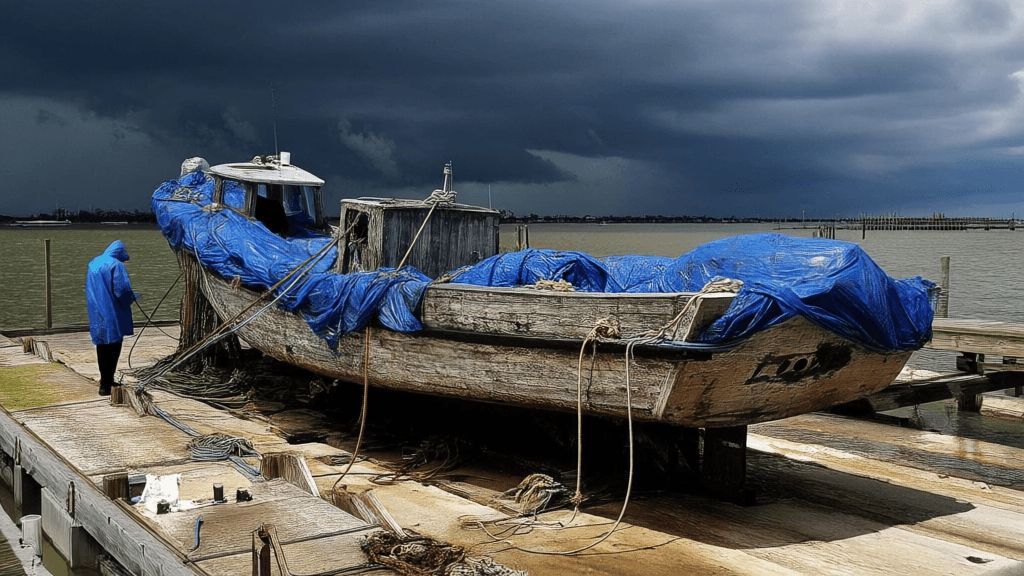
Decide in advance whether the boat will be hauled out, moved to a designated safer location, or secured in its usual berth. Ask the marina or storage provider about reservation deadlines, haul-out availability, tie-down procedures, access cutoffs, and what happens if staff must close ahead of a storm. If the boat is stored ashore, verify that the site is not prone to flooding and that the trailer, stands, or blocking can be secured appropriately. If it stays in the water, follow marina guidance on slip assignment, dock lines, fenders, and removing vulnerable equipment. Owners near Clear Lake Shores, Kemah, Bacliff, and San Leon may have different facility options, so confirm arrangements directly rather than relying on assumptions about local capacity.
Secure the Vessel and Reduce Loose-Item Damage
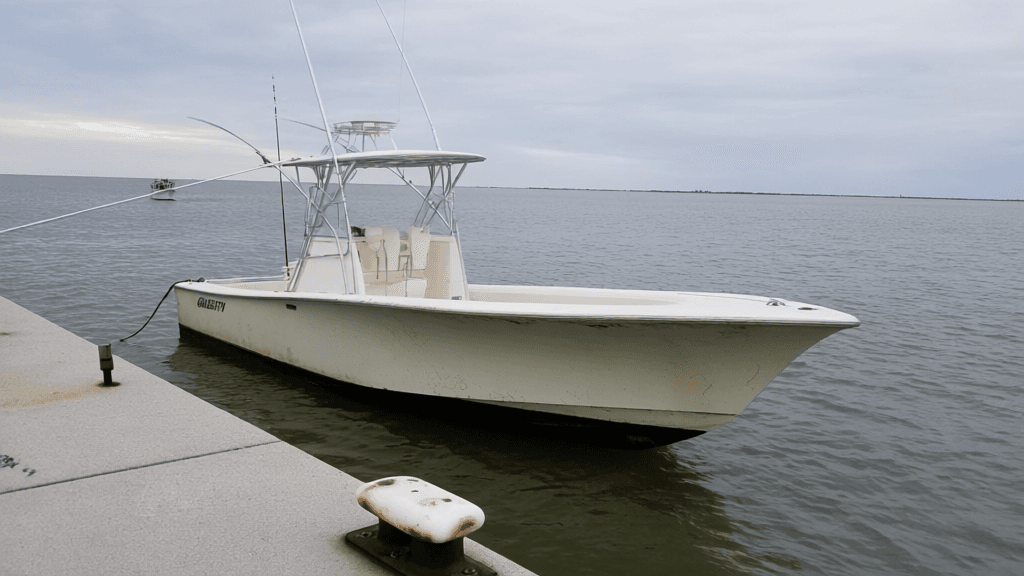
A vessel preparation checklist should account for how it is stored. Remove portable electronics, cushions, canvas, fishing gear, and other loose items that can be lost or become projectiles. Close and secure hatches, but follow the boat manufacturer’s guidance so drainage and ventilation are not blocked. Check bilge pumps, batteries, through-hulls, and the condition of dock lines or trailer tie-downs. For a boat remaining in a slip, use properly sized lines and chafe protection, and avoid relying on one cleat or a single attachment point. For a trailered boat, secure the trailer to suitable anchors when possible, protect the boat from wind exposure, and follow professional storage guidance. Photograph the setup before leaving, and never put yourself at risk to make last-minute adjustments in hazardous weather.
Document the Boat Before Severe Weather
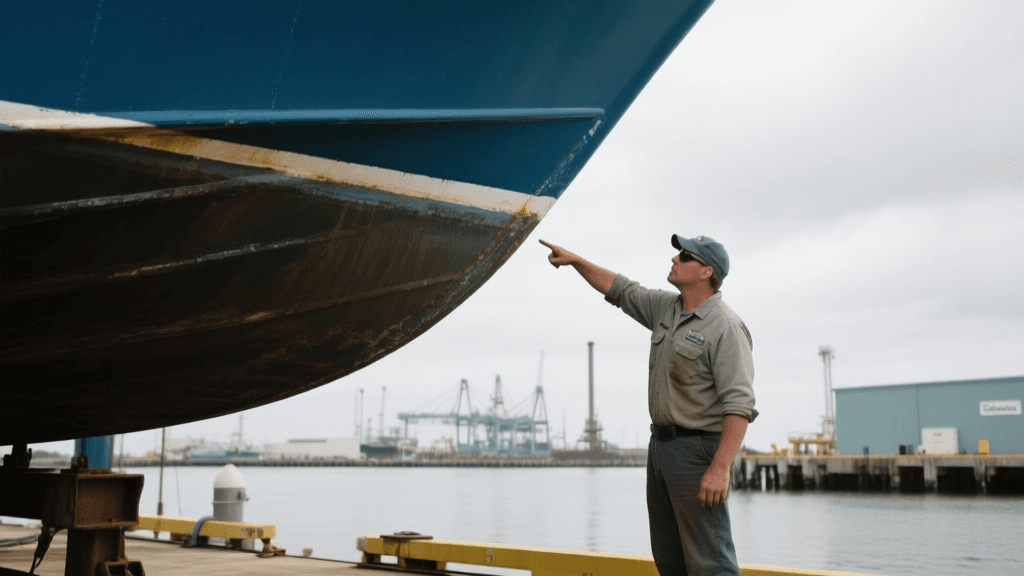
Create a current record of the boat’s condition before the season becomes active. Photograph the hull, deck, interior, engine, electronics, trailer, and any existing scratches or repairs; include wide views and close-ups. Record the vessel identification number, registration, serial numbers for major equipment, and receipts or service records. Keep copies of the policy, purchase documents, and inventory in secure digital storage that you can access away from home. A dated walk-around video can help show condition and installed equipment, but it is not a substitute for invoices or policy records. Make sure the photographs reflect the actual boat and its current accessories. This preparation can make it easier to describe a loss accurately and distinguish pre-existing damage from new damage.
Galveston-Area Planning and Local Logistics
In Galveston, the right preparation depends on where the boat is kept and how easily you can reach it as weather changes. A vessel on the island may face different access and storage constraints than one kept inland near Santa Fe, Dickinson, Friendswood, or Pearland. Ask your marina about its storm plan, staff availability, evacuation or closure procedures, and whether boat owners may enter after a warning. Keep fuel, tow, and storage arrangements current, but do not travel into unsafe conditions to retrieve a vessel. Follow official weather and emergency instructions, and plan for roads or bridges to become inaccessible. If you keep a boat in more than one location during the year, check that the policy’s navigation and storage terms match the location you actually use.
Storm-Season Checklist
- Confirm hull limits, deductibles, storm provisions, storage requirements, and covered equipment with the insurer or agent.
- Reserve a haul-out or secure storage option and identify a backup before local capacity tightens.
- Remove loose gear, protect openings and systems according to manufacturer guidance, and secure lines or trailer arrangements.
- Photograph the boat and equipment, record serial numbers, and save policy and ownership documents in secure digital storage.
- Follow official safety instructions and do not approach a marina or boat during hazardous conditions.

What to Do After a Storm
Wait until authorities and marina staff say the area is safe before approaching the boat. Once access is permitted, photograph the vessel and surrounding conditions before moving or cleaning anything, when it is safe to do so. Record the date, location, visible damage, and any steps taken to prevent further loss. Contact the insurer promptly using the claim instructions in your policy, and ask what documentation or inspection is needed before repairs begin. Keep receipts for reasonable emergency measures and temporary repairs, and do not discard damaged parts until the insurer advises whether they need inspection. Avoid operating a boat that may have structural, electrical, fuel-system, or engine damage. Clear, timely records and cautious decisions can help keep the claim process organized.
Next Steps: Make a Plan Before the Forecast Changes
Set aside time now to compare your boat’s actual storage plan with the requirements and protections in your hull policy. Gather the declarations page, inventory, photographs, and marina contact information in one accessible place. Ask focused questions about named-storm deductibles, wind and flood-related terms, haul-out expectations, and how to report damage; request clarification before relying on an interpretation. If your boat’s value, equipment, home port, or storage location has changed, ask whether the policy details should be updated. Boat owners around Galveston and nearby communities can use this preparation to make calmer decisions when a storm approaches. Insurance cannot prevent damage, but a clear plan can reduce avoidable risks and help you respond methodically.
Review Your Boat’s Storm Plan
Compare your storage arrangements and vessel inventory with your policy terms before the next severe-weather forecast.
Get a Free Quote