Why Hull Coverage Details Matter in Galveston
A damaged hull can turn a day on Galveston Bay into an expensive repair, whether the cause is a collision, grounding, floating debris, or a severe-weather event. Hull coverage, often described as physical damage coverage, may help with covered damage to the insured boat, but the policy's valuation method and deductible can significantly affect the final payment. Before launch season or a change in how a boat is stored, Galveston owners can benefit from checking those terms rather than relying on the policy limit alone. This guide explains what agreed value and actual cash value mean, how deductibles apply, and which records can make a claim easier to document.
What Hull Coverage Does—and What It Does Not Promise
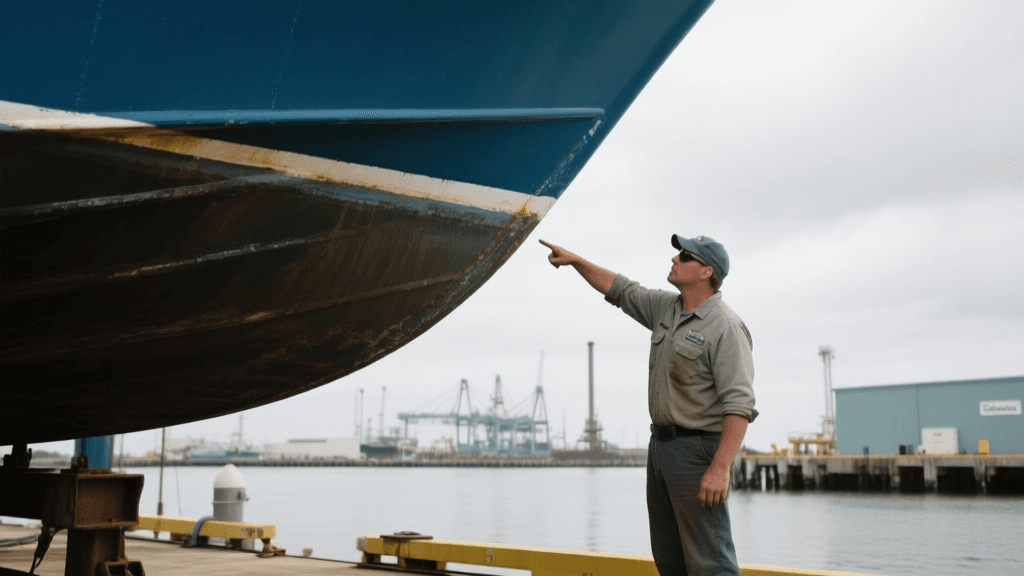
Hull coverage generally refers to insurance for direct physical damage to a boat, and the insured property may include specified machinery, permanently installed equipment, or a trailer when the contract says so. The declarations and policy wording determine what is insured, where coverage applies, and which causes of loss are covered. Wear and tear, gradual deterioration, faulty maintenance, or particular weather-related circumstances may be treated differently from sudden accidental damage. For example, a sudden impact with submerged debris near a channel may be evaluated differently from a long-standing mechanical problem. Read exclusions, navigation limits, storage conditions, and storm precautions carefully; ask the insurer or a licensed insurance professional to explain unclear terms before a loss occurs.
Agreed Value Versus Actual Cash Value
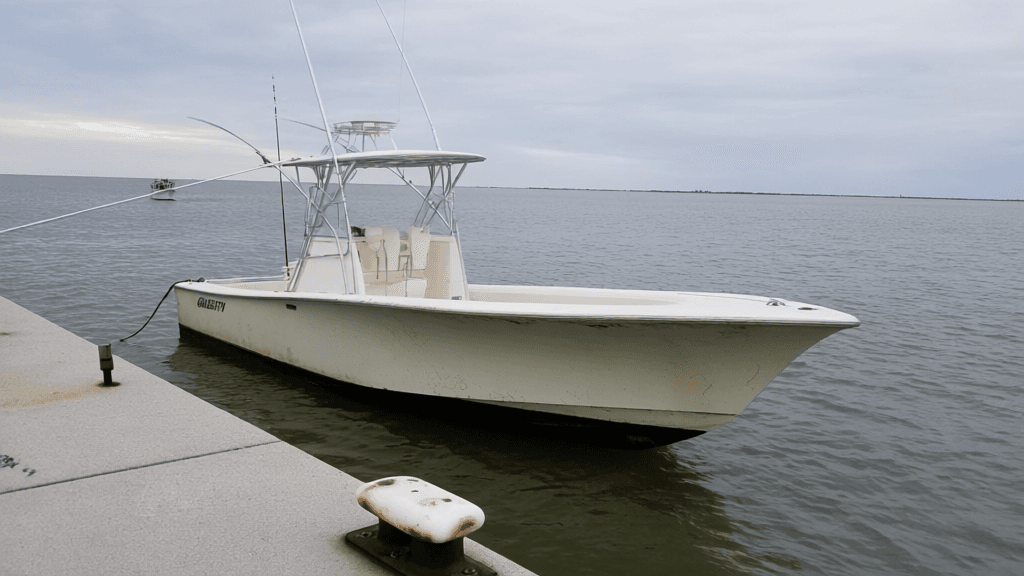
Agreed value and actual cash value describe different approaches to valuing an insured boat, especially in a total-loss settlement. With agreed-value coverage, the policy typically states a value agreed upon when the policy is written, subject to the contract's conditions and any applicable deductible. Actual-cash-value coverage generally accounts for depreciation and the boat's condition and market value immediately before the loss. A ten-year-old center console with recent upgrades, for instance, may not be valued the same way under each approach. Do not assume that an agreed value guarantees replacement with a brand-new boat, or that the same valuation method applies identically to partial repairs. Confirm how total and partial losses are settled, how equipment is valued, and whether limits or depreciation provisions apply.
How Deductibles Can Change the Claim Payment
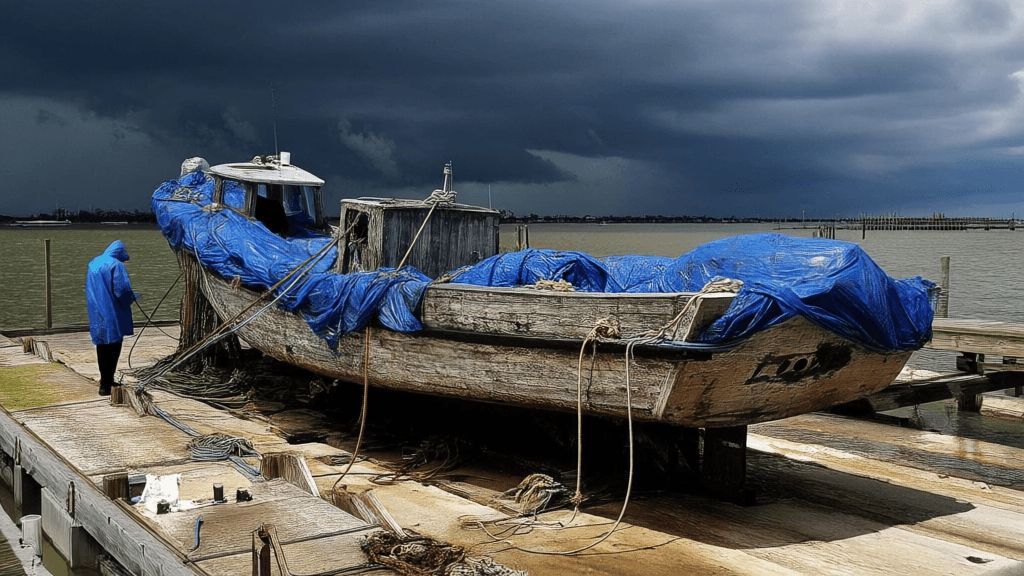
A deductible is the portion of a covered loss that remains the policyholder's responsibility. If eligible covered repairs total several thousand dollars, the insurer generally applies the policy's deductible when calculating payment, but the exact calculation depends on the contract and loss details. Some policies may use a flat deductible, while others can include percentage-based or separate storm-related deductibles. For a Galveston boat stored ashore during a named storm, the applicable provision may differ from the one that applies to an ordinary collision, so check the wording rather than estimating from memory. Also review whether the deductible applies per occurrence, per item, or by another method. A higher deductible can affect premium and out-of-pocket costs, so choose an amount that would be manageable after an unexpected repair.
Practical Steps Before and After Damage
Before trouble occurs, keep a current inventory of the boat, motor, electronics, safety equipment, and other insured property. Save purchase receipts, service records, photographs, the hull identification number, and documentation of upgrades in a secure location. After damage, first protect people and address immediate safety concerns; do not put anyone at risk to photograph a boat or retrieve property. Once safe, take clear wide and close-up photos, note the date, location, weather, and what happened, and collect witness or marina details when appropriate. Contact the insurer promptly and ask what inspection and estimate process it requires. Make emergency measures to prevent further damage when reasonable, keep receipts, and avoid disposing of damaged parts until the insurer advises whether they need inspection.
Galveston Conditions to Consider When Reviewing Coverage
Galveston boat owners use a mix of Gulf Coast waters, Galveston Bay, marinas, launch ramps, and nearby channels, and the risks can vary with route, season, and storage arrangements. Saltwater exposure, shallow areas, changing weather, and floating debris make routine maintenance and careful trip planning worthwhile, but a policy still responds according to its actual terms. Review navigation boundaries, lay-up or storage provisions, storm preparation requirements, and any limits on where the boat may be operated. The same review is useful for owners who trailer boats between Galveston, Texas City, La Marque, and League City, since coverage and towing arrangements can be contract-specific. Keep proof of required maintenance and follow applicable boating and marina instructions; such records may help clarify the boat's condition and precautions taken.
Claim-Ready Records to Keep on Hand
Useful Hull Claim Documentation
- Keep the declarations page and policy wording available so you can confirm insured property, deductibles, exclusions, limits, and notice requirements.
- Store dated photos of the hull, motor, electronics, and installed equipment, along with serial numbers and receipts for major purchases or upgrades.
- Maintain service invoices and inspection notes that show routine care, repairs, and the boat's condition before an incident.
- After a loss, record the time, location, circumstances, weather, witnesses, and any steps taken to prevent additional damage.
- Save estimates, invoices, towing or storage receipts, and communications related to the claim, and follow the insurer's instructions about inspections and repairs.

What to Do Next
Set aside a few minutes to compare the policy's stated boat value with your records and current understanding of the vessel's condition. Confirm whether the policy uses agreed value or actual cash value, how partial damage is handled, which deductible applies to different losses, and whether your normal routes and storage plans fit the coverage terms. If the boat has been upgraded, moved, or used differently since the policy began, ask the insurer whether the information on file should be updated. After damage, report the incident promptly, document facts accurately, and cooperate with inspection and estimate requirements. Coverage depends on the specific contract and claim circumstances, so use the written policy and guidance from the insurer or a licensed professional when making decisions.
Review Your Boat Coverage Before the Next Launch
Compare valuation terms, deductibles, and claim requirements so you know what to expect if covered damage occurs.
Get a Free Quote