What Mechanical Breakdown Coverage Means for Galveston Boat Owners
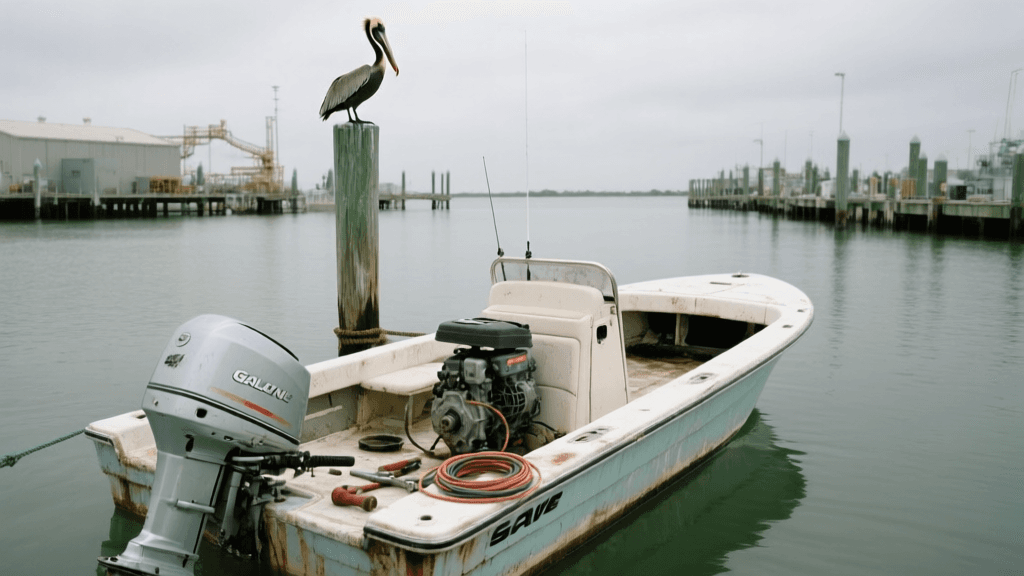
Mechanical breakdown coverage is an optional form of protection that may help with the cost of repairing or replacing certain boat components after a sudden, qualifying mechanical or electrical failure. It is different from liability coverage, which addresses covered injuries or property damage to others, and from physical damage coverage, which generally concerns events such as collision, fire, or theft. For a Galveston owner who runs a boat across Galveston Bay, a breakdown far from the launch can turn into an expensive tow and repair. The exact protection depends on the policy wording, so the key question is not simply whether a plan says “breakdown,” but what failure and components it defines as covered.
Why the Difference Between Failure and Wear Matters
The central distinction is usually a sudden failure versus gradual deterioration. A covered event might involve an eligible component that stops functioning unexpectedly despite reasonable care. By contrast, worn belts, corroded connections, degraded hoses, and damage caused by skipped servicing are commonly treated as maintenance issues or excluded loss. Saltwater exposure around Galveston makes regular rinsing and inspections especially important, but even careful upkeep cannot prevent every failure. Keep dated service records, repair invoices, and notes about warning signs. Clear documentation can help explain the component’s condition and the event’s timing when an insurer reviews a claim.
Which Boat Components Might Be Eligible?
Depending on the contract, eligible parts may include an inboard or outboard engine, transmission, lower unit, electrical system, or selected fuel and cooling components. Some plans cover only named parts; others use broader language but list exclusions that narrow the protection. A component’s presence on a policy’s covered-parts schedule does not guarantee payment: the failure must still meet the policy definition, and the boat must meet any age, value, or maintenance conditions. Before purchasing, ask whether labor, diagnostic work, towing, fluids, and related damage are included or limited. A repair estimate for an engine failure can contain all of these costs, not just the replacement part.
Sudden Covered Failure Versus Maintenance Problem
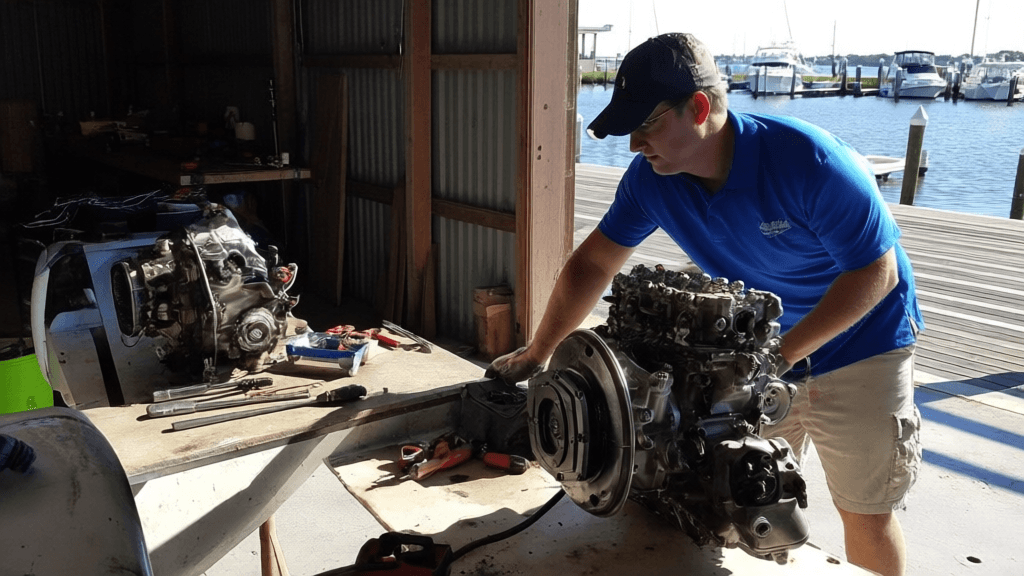
Imagine an engine that loses power during an otherwise routine outing, and a qualified inspection identifies a sudden internal component failure. That scenario may be considered under mechanical breakdown terms if the part is eligible and the policy conditions are met. Now compare it with an engine that overheats after a neglected cooling passage becomes clogged or a damaged hose goes unreplaced. The insurer may view the resulting damage as maintenance-related, gradual, or preventable. The cause matters as much as the repair bill. Avoid continuing to operate a boat after an alarm, unusual vibration, smoke, or loss of pressure; stopping promptly and arranging an inspection may limit further damage and create a clearer record of what happened.
Waiting Periods, Deductibles, and Claim Limits
Some policies impose a waiting period after coverage begins, meaning a failure during that interval may not qualify. Others may require an inspection or a clean condition report before protection takes effect. Check the deductible, maximum payment per occurrence, total policy limit, and whether older components have reduced limits. Also ask whether the contract excludes a problem that existed before the effective date, even if it was discovered later. These details matter when comparing a low premium with a higher deductible or narrow cap. If the boat will be launched soon near Galveston, confirm the effective date and any inspection deadlines well before the first trip rather than assuming coverage starts immediately.
Service Rules and Documentation to Check
A policy may require maintenance to follow the manufacturer’s schedule and may expect repairs to be completed by an approved marine shop or authorized technician. It may also require prompt notice, prior authorization, or an adjuster’s inspection before disassembly. Before work begins, contact the insurer or claims administrator using the policy’s instructions and ask what evidence is needed. Save the service history, engine hours, receipts for parts and fluids, photos of warning displays, and the mechanic’s written diagnosis. For Galveston boaters, retaining records of freshwater flushing and saltwater corrosion checks can help demonstrate routine care. Do not assume an emergency repair can be reimbursed without following the contract’s reporting and approval process.
Local Considerations Around Galveston
Galveston boat use can combine bay trips, coastal conditions, busy launch periods, and exposure to salt, heat, and humidity. Those conditions make preventive checks—especially for cooling, electrical connections, fuel delivery, and corrosion—practical even when a policy offers optional breakdown protection. Owners launching in Galveston or traveling from nearby Texas City, League City, La Marque, or Kemah should also think through where a disabled boat could be inspected and how it would be transported. Coverage for mechanical repairs may not include towing or salvage, so verify those benefits separately. Ask whether the policy applies in the intended navigation area and whether any location or seasonal restrictions affect the boat’s use.
A Practical Checklist Before You Choose
Questions to Ask About Mechanical Breakdown Coverage
- Which engine, propulsion, electrical, fuel, and cooling components are specifically eligible, and which are excluded?
- How does the policy define a sudden mechanical failure, and how does it treat wear, corrosion, overheating, or inadequate maintenance?
- Is there a waiting period, inspection requirement, boat-age limit, or pre-existing-condition exclusion?
- What deductible, repair limit, labor allowance, diagnostic allowance, and towing benefits apply?
- Must repairs be authorized in advance or completed by a specified marine repair facility?
- What maintenance records and claim documents should be kept to support a repair request?

Next Steps for Galveston Boat Owners
Start with the boat’s make, model, year, engine type, current hours, and recent service history. Then compare the written breakdown terms with the manufacturer’s maintenance schedule and the repairs you would be least able to absorb out of pocket. Request clear answers about covered components, exclusions, waiting periods, deductibles, repair authorization, and whether towing is separate. Compare the option alongside the rest of the boat policy rather than treating it as a replacement for physical damage or liability coverage. For a boat used around Galveston Bay, a careful review before the season can make it easier to understand what protection may apply if a component fails while you are away from the dock.
Review Your Boat’s Protection Before the Next Launch
Compare policy terms and ask a licensed insurance professional which mechanical failures, service conditions, and repair costs may qualify.
Get a Free Quote