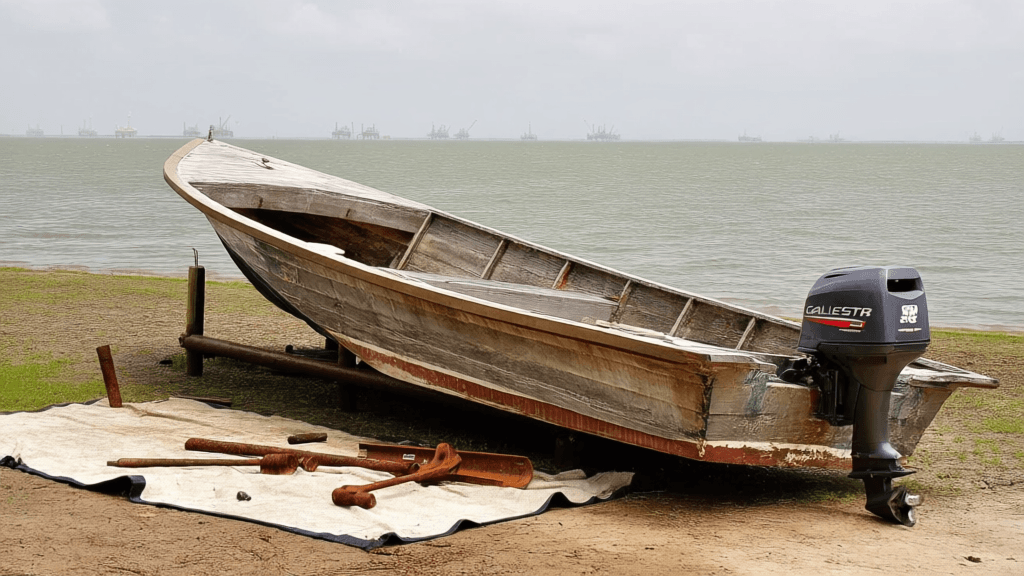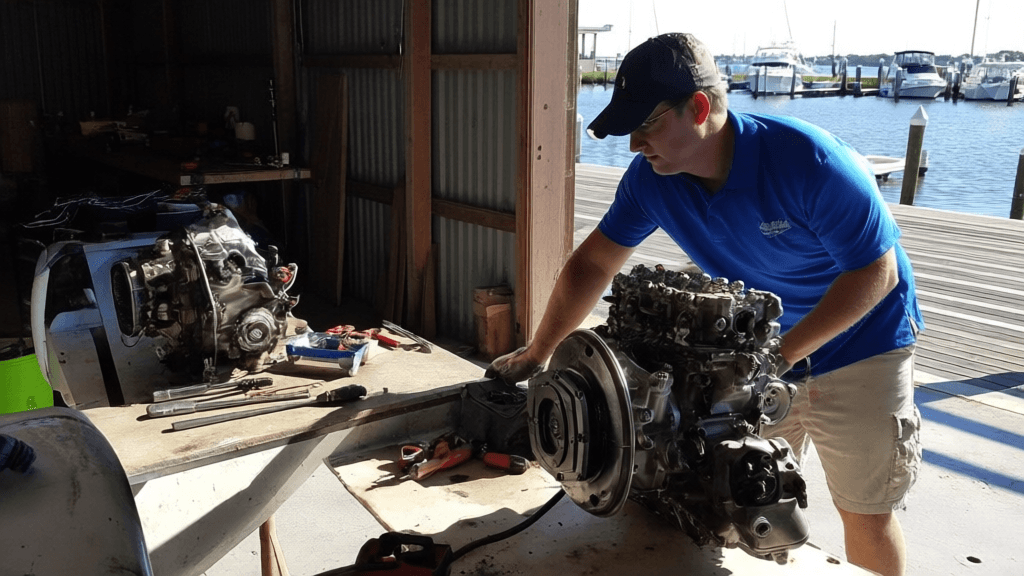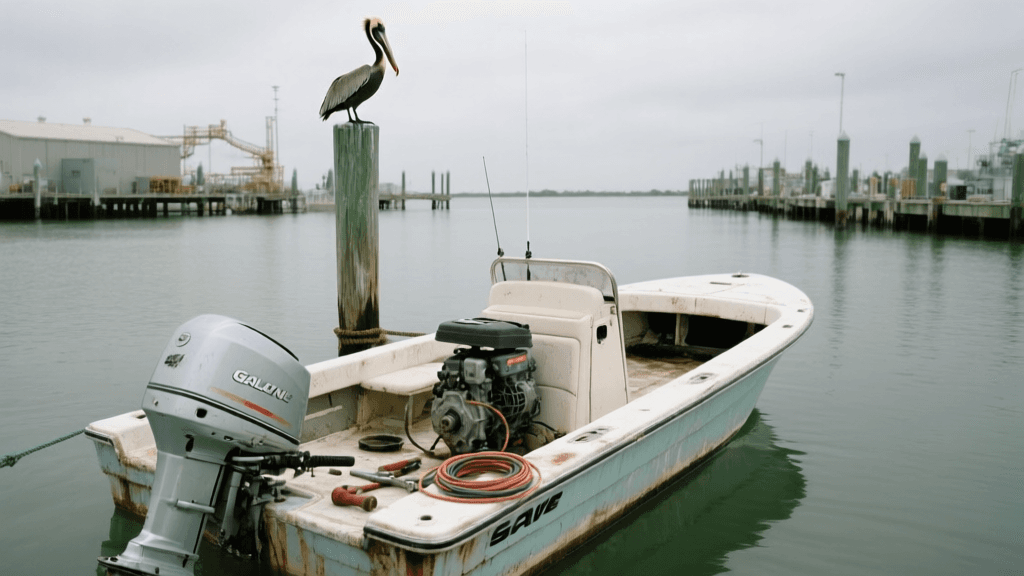
Why Mechanical Breakdown Exclusions Matter in Galveston
A sudden engine failure can interrupt a fishing trip, a run across the bay, or a day on the water near Galveston Island. Mechanical breakdown coverage may help with eligible failures, but it is not automatically a promise to repair every worn or damaged part. The deciding details are often in the exclusions, conditions, and definitions in the policy. Galveston boat owners should understand those terms before a problem arises, when it is easier to compare the policy with maintenance records and ask focused questions. This guide explains common restrictions and how to check what a specific contract actually covers.
What Mechanical Breakdown Coverage Usually Means
Mechanical breakdown coverage generally concerns a covered mechanical or electrical failure, subject to the policy's terms. It is different from routine maintenance, a warranty, and physical damage coverage for events such as a collision or grounding. The exact definition of a covered breakdown varies: some policies focus on a sudden, accidental failure of listed machinery, while others may set limits, waiting periods, or requirements for eligible equipment. A claim can also be affected by the cause of failure. For example, an abrupt internal component failure may be treated differently from damage that developed over months. Read the definition alongside exclusions rather than relying on the coverage name alone.
Gradual Deterioration and Ordinary Wear
Many policies restrict losses caused by ordinary wear, aging, or gradual deterioration. Seals, belts, hoses, bearings, and other components naturally change with use, and a failure associated with long-term wear may be handled differently from an unexpected breakdown. Consider an engine that begins running hot after a hose has slowly weakened: the repair decision may depend on whether the damage was sudden, whether the hose was maintained, and how the contract defines covered damage. Keep service invoices and note unusual sounds, leaks, overheating, or performance changes promptly. Addressing early warning signs can reduce the risk of a small issue becoming a larger failure, even when coverage is uncertain.
Corrosion, Saltwater, and Galveston Conditions
Saltwater exposure makes corrosion an important issue for boats kept or used around Galveston Bay and the Gulf Coast. Policy wording may exclude corrosion itself, deterioration from continued exposure, or damage that follows from an owner failing to address corrosion. That does not mean every failure involving a corroded component is automatically excluded; the cause, timing, maintenance, and specific language matter. After outings, follow the engine and vessel manufacturer's guidance for rinsing, flushing, inspection, and storage. Pay particular attention to cooling passages, electrical connections, fittings, and areas that trap moisture. Photographing condition and keeping dated service notes can provide useful context if a claim is later reviewed.
Neglect and Missed Maintenance
A policy may restrict damage connected to neglect, failure to maintain the vessel, or ignoring a known problem. Maintenance requirements can be specific to the boat, engine, and operating conditions, so a generic annual checklist may not be enough. Follow the manufacturer's schedule for oil and filter changes, impeller inspection, cooling systems, fuel systems, batteries, and winter or extended-storage preparation where applicable. If an engine warning light appears or a mechanic recommends a repair, document the advice and the steps taken. A Galveston owner who keeps records after trips and service appointments can more readily explain how the boat was cared for than someone relying on memory after a major failure.
Other Restrictions Worth Reading Carefully
Exclusions may extend beyond wear and corrosion. Depending on the contract, restrictions could address faulty repairs, improper installation, defective parts, overheating, lack of lubrication, use outside manufacturer specifications, or damage caused by continued operation after a warning. Policies may also distinguish the failed part from resulting damage to other components. For instance, the cost to replace a worn component may be treated differently from damage that follows a covered sudden failure. Check whether the policy covers labor, diagnostics, haul-out, removal and reinstallation, or only specified repair costs. Do not assume that a familiar term has the same meaning across insurers; definitions and claim conditions can change the result.
How Local Use Can Affect Your Review
Galveston boat use can involve saltwater, changing weather, extended periods at a marina, and trips through bays or into the Gulf. Those conditions make it useful to ask how the policy treats corrosion, storage, seasonal use, and operation in the areas where the boat actually travels. Owners in nearby Texas City, La Marque, Hitchcock, and League City may have different launch and storage routines, but the same core questions apply: what machinery is insured, what maintenance is expected, and what evidence may be requested? Confirm any navigation limits and operating requirements in the policy as well. Local conditions are a reason to read the contract closely, not a substitute for its actual wording.
A Practical Policy Review Checklist
Questions to Ask Before You Need to File a Claim
- Which engines, propulsion systems, and onboard machinery qualify, and are there age, value, or usage limits?
- How does the policy define a mechanical breakdown, and how does it distinguish sudden failure from wear or deterioration?
- What does it say about corrosion, neglect, maintenance, faulty repairs, and continued operation after a warning?
- Are diagnostics, labor, haul-out, towing, or removal and reinstallation costs included, limited, or excluded?
- What receipts, inspection reports, service logs, or other records should be kept to document maintenance and the cause of a failure?

What Galveston Boat Owners Can Do Next
Start with the policy's definitions, exclusions, duties after a loss, and any machinery-specific endorsements. Compare those sections with the boat's service history and ask the insurer or a qualified insurance professional to explain unclear terms in writing. If a mechanic identifies a developing issue, keep the report and repair estimate, and avoid operating the boat when continued use could worsen the damage or create a safety risk. When comparing coverage, look beyond the premium: review deductibles, covered equipment, limits, claim documentation requirements, and whether the exclusions match the vessel's age and use. Exact coverage varies by policy, so only the issued contract can confirm what applies.
Review Your Boat’s Coverage Before the Next Trip
Compare policy wording, maintenance requirements, and equipment limits so you know what questions to ask before a breakdown occurs.
Get a Free Quote