Why Personal Effects Limits Matter in Galveston
A day on the water can involve more than the boat itself. Fishing rods, electronics, safety equipment, sunglasses, phones, and overnight bags may all be aboard, and replacing several items at once can be expensive. Personal effects coverage may apply to certain belongings carried on a boat, but the amount available and the items covered depend on the policy. For Galveston boat owners, it is useful to check those details before a trip rather than after a loss. This guide explains how to estimate the value of items you bring, document them clearly, and ask informed questions when reviewing coverage.
What Boat Personal Effects Coverage May Include
Personal effects generally refers to movable belongings kept aboard or taken on a boating outing, but policies define covered property differently. Some may address items such as clothing, fishing tackle, portable electronics, and recreational equipment, while applying exclusions or special limits to particular categories. Property owned by guests may be treated differently from property owned by the boat owner, and items used primarily for business may not qualify. Also check whether coverage applies only while items are on the insured boat, or whether it extends to loading, unloading, or temporary storage. Ask for the policy wording and confirm how deductibles, sublimits, and claim documentation affect a potential payment.
Start With a Practical Onboard Inventory
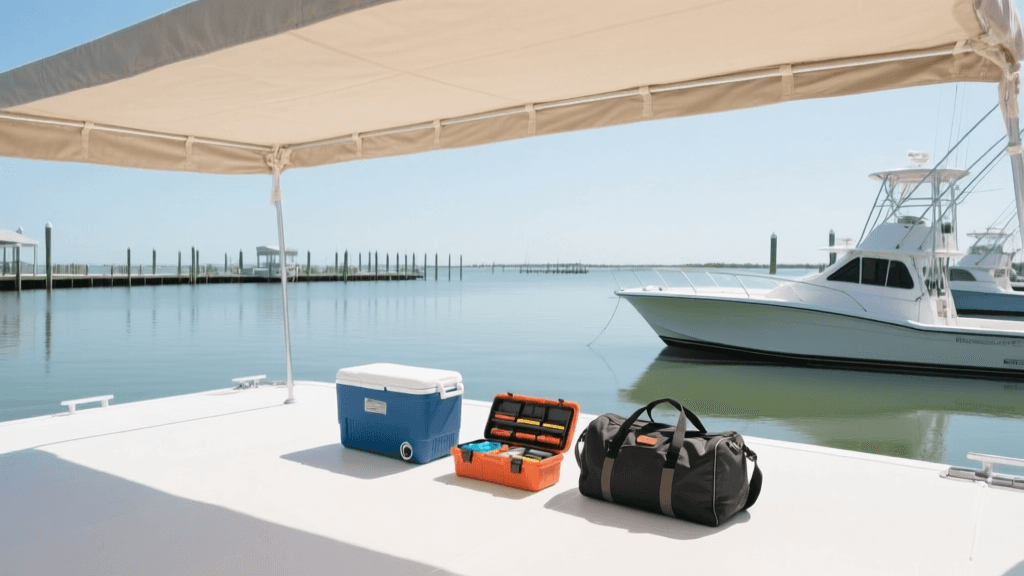
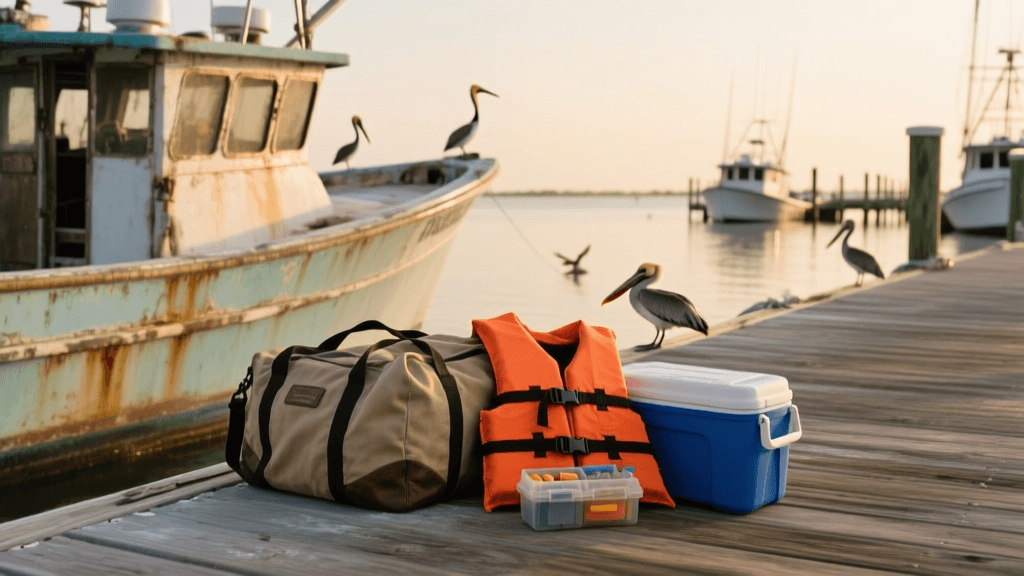
An inventory is most useful when it reflects what is actually aboard, not everything owned at home. Walk through the boat and record each item’s name, brand, model, approximate purchase date, and estimated replacement cost. Group smaller items into sensible categories, such as tackle, safety equipment, or galley supplies, while listing higher-value electronics and specialty gear individually. Separate permanent boat equipment from portable belongings, since the policy may treat those differently. For a typical Galveston outing, remember items that can be easy to overlook: handheld GPS units, portable radios, removable fish finders, life jackets, and the cooler or gear bag brought aboard for the day.
Photograph Items and Keep Purchase Records
Take overview photos of storage areas and closer images of valuable belongings, including visible model or serial numbers when practical. Photograph the boat’s contents before a longer trip, and update the record when equipment changes. Keep receipts, order confirmations, warranties, and service records in a digital folder separate from the boat; a cloud backup can help if a phone or bag is lost. If an item was bought used and no receipt exists, save a dated note with the seller, price, and available product details. These records do not guarantee coverage or a particular settlement, but they can make it easier to explain ownership, condition, and value.
Check Limits Against Replacement Costs
Add up the current replacement cost of the belongings you routinely carry, then compare the total with the policy’s personal effects limit and any category-specific caps. A single overall limit can sound adequate until several portable electronics, rods, and bags are counted together. Ask whether the policy pays actual cash value or replacement cost, and how depreciation is handled. Clarify the deductible and whether it applies separately to a personal-property claim. If the amount seems low, ask an insurance professional whether a higher limit or a separate option is available and what conditions would apply. Keep the discussion grounded in the policy language rather than assuming every item is covered.
Use Secure Storage for Day Trips and Overnight Boating
Good storage habits can reduce the chance of theft, water damage, or items going overboard. Put smaller valuables in closed compartments when they are not in use, and use marine-rated cases or dry bags for phones, cameras, and documents. Do not leave wallets, keys, or electronics in plain view when the boat is unattended at a marina or launch area. For overnight trips, bring high-value portable items into a secure cabin or take them ashore if that is practical. Check that compartments latch properly, and avoid storing receipts or inventory notes in the same bag as the item they describe. Ask your insurer whether the policy has specific security or unattended-boat requirements.
Galveston-Area Conditions Make Documentation Useful
Boating around Galveston can mean changing weather, spray, busy launch points, and trips that move between the bay, the Gulf, and nearby waterways. Salt air and moisture can damage belongings even without a dramatic accident, so note the condition of valuable equipment and use protective cases where appropriate. Owners launching or keeping boats around Texas City, Kemah, Bacliff, and San Leon may bring different combinations of fishing gear, navigation electronics, and overnight supplies. The location alone does not determine coverage: policy territory, exclusions, and storage requirements do. Keep your inventory current wherever you launch, and confirm that the policy reflects how and where the boat is actually used.
A Simple Personal Effects Review
- List the portable belongings you regularly bring aboard and estimate current replacement costs rather than relying on old purchase prices.
- Photograph valuable items, identifying details, and storage areas; save copies of receipts and warranties in a backed-up digital folder.
- Compare the inventory total with the policy limit, deductible, valuation method, exclusions, and any category-specific caps.
- Store belongings out of sight in secure, appropriate compartments, especially when the boat is unattended or kept overnight.
- Update the record after buying, replacing, or removing equipment, and ask how guest-owned or business-use property is treated.

Next Steps Before Your Next Trip
Set aside a short period to walk through the boat, record the items you actually carry, and photograph the most valuable belongings. Then review the policy’s personal effects language and write down questions about limits, deductibles, replacement cost, exclusions, guest property, and when coverage applies. If the inventory value exceeds the available limit, ask a licensed insurance professional to explain suitable options and their conditions. Keep the updated record accessible from a secure digital backup, and revisit it at the start of the boating season or after major purchases. A little preparation can make it easier to understand your protection and provide organized information if you ever need to report a loss.
Review Your Onboard Belongings
Make an inventory today, then compare its value with the personal effects limits and conditions in your boat policy.
Get a Free Quote