Why Belongings Aboard Deserve a Coverage Check
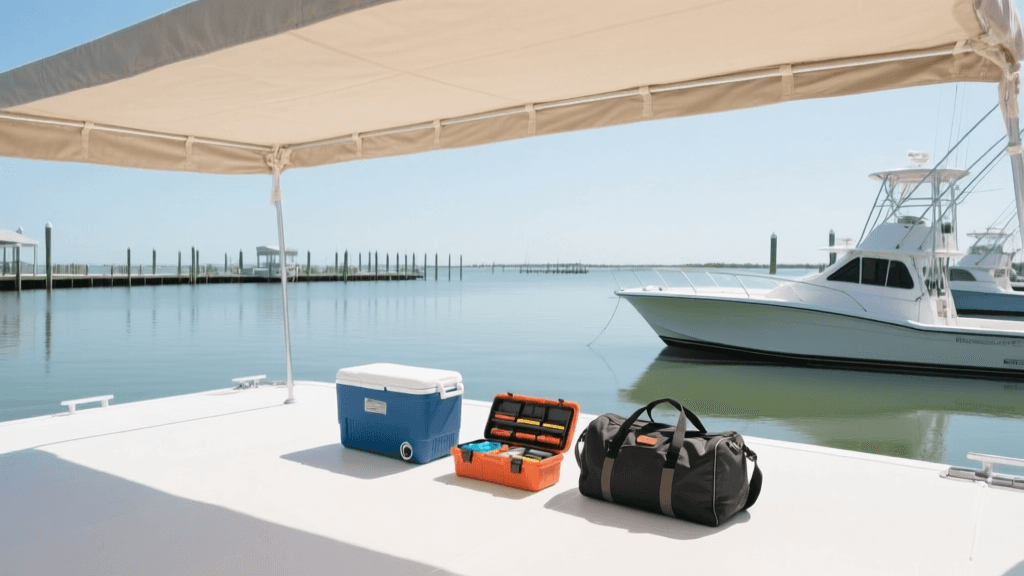
A phone tucked into a dry bag, fishing equipment, sunglasses, and a portable GPS can add up quickly when a day on the water turns into a theft, fire, or sudden-weather claim. In Galveston, boaters may move between a driveway, marina, trailer, and open water in a single outing, and the policy that applies can depend on where an item was damaged or taken. Boat insurance and homeowners insurance do not automatically protect every possession in every setting. Before launching from a Galveston-area marina or cruising the bay, check how each policy defines personal property, where coverage applies, and whether special limits or exclusions affect the items you carry.
How the Two Policies Treat Personal Property
Homeowners insurance commonly covers personal property at the insured home and may extend limited protection to belongings temporarily away from the residence. That extension is subject to the policy’s terms, deductible, exclusions, and dollar limits. A boat policy may include coverage for personal effects aboard, but the definition can be narrow and may exclude certain equipment, valuables, or property that belongs to guests. Some policies distinguish personal belongings from items considered part of the boat, such as installed navigation equipment. These distinctions matter: a removable handheld radio may be treated differently from a permanently installed chartplotter. Read the actual policy wording and ask the insurer how each item is classified.
Location, Limits, and Exclusions Can Change the Answer
Coverage can change as property moves from the house to a vehicle, trailer, dock, or vessel. A homeowners policy may provide only a percentage of the personal-property limit for belongings away from home, while a boat policy may apply a separate personal-effects limit or a per-item cap. Theft may require evidence that an item was secured, and unattended-boat rules can affect a claim. Policies also commonly restrict coverage for cash, jewelry, business equipment, or property used for work. For a Galveston outing, consider whether cameras, fishing tackle, tablets, and portable electronics are within any category limits. A low deductible does not help if the applicable coverage limit is too small.
What Counts as Boat Equipment Versus Personal Effects?
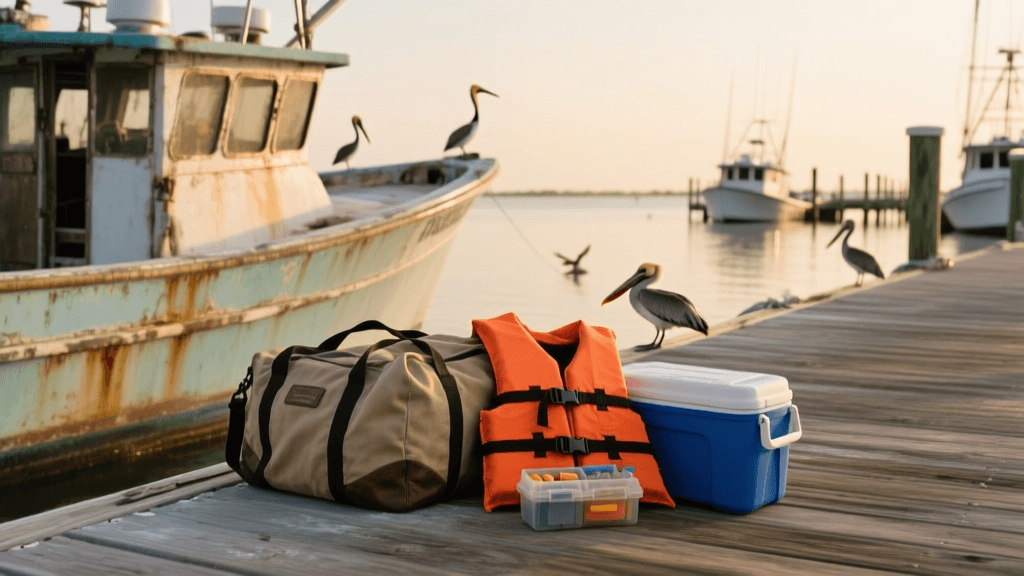
The label attached to an item can affect which section of a policy responds. Personal effects generally means belongings carried for individual use, while boat equipment may refer to gear used to operate or outfit the vessel. The exact definitions vary by insurer. A portable fish finder, removable trolling motor, or handheld GPS could be treated differently from permanently mounted electronics, even when both serve a boating purpose. Make a simple inventory and photograph high-value items, noting serial numbers and receipts when available. If you regularly keep costly rods, safety equipment, or electronics aboard, ask whether they need to be scheduled or separately insured, and whether coverage applies while the boat is stored or trailered.
How to Coordinate a Claim Between Policies
When an incident involves property that might fall under both policies, do not assume that both will pay or that one automatically takes priority. Each insurer reviews its own contract, the cause of loss, ownership, location, and other insurance provisions. For example, if a bag is stolen from a locked boat at a Galveston marina, the boat insurer may examine its personal-effects coverage and security conditions, while the homeowners insurer may consider its off-premises property terms. Report the loss promptly, describe where each item was kept, and preserve receipts, photos, and any incident report. Be accurate and consistent when communicating with both companies, and avoid discarding damaged property before an adjuster gives instructions.
Galveston’s Boating Routine Makes Storage Important
Galveston boat owners may launch for a short bay trip, keep a vessel at a marina, or tow it between home and the coast. Those changing locations make storage and security details especially relevant. Salt air, spray, and sudden Gulf Coast weather can also damage belongings, but gradual deterioration, corrosion, or ordinary wear may be excluded rather than treated as a covered sudden loss. Whether the boat is kept near the seawall, in a residential garage, or at a marina, confirm when coverage begins and ends and whether property is protected while in transit. Nearby boaters in Texas City, League City, Kemah, Dickinson, and San Leon should check the same details against their own policy terms and storage arrangements.
A Practical Checklist Before Your Next Trip
What to Review
- Find the boat policy’s personal-effects limit, deductible, covered locations, and definition of eligible belongings.
- Check the homeowners policy’s off-premises property limit and special caps for electronics, jewelry, tools, or other valuables.
- Separate removable personal property from installed boat equipment and ask how each item is insured.
- Document valuable gear with photographs, receipts, model information, and serial numbers, then store the record away from the boat.
- Ask what security steps apply when the vessel is unattended and whether coverage changes during trailering or storage.
- Compare the two policies’ exclusions and other-insurance language rather than assuming the same loss is covered twice.

Next Steps for Galveston Boat Owners
Start with the declarations pages and the personal-property sections of both policies, then review the full wording for definitions, exclusions, and conditions. Ask specific questions, such as whether a portable GPS is covered aboard and while stored at home, whether fishing gear has a per-item cap, and whether theft requires the boat to be locked or attended. If the answers reveal a shortfall, ask about increasing a limit, scheduling selected property, or adding an appropriate endorsement; availability and terms vary. Keep a current inventory and revisit it when equipment changes. These steps help Galveston boaters make a more informed comparison before a trip, rather than trying to interpret overlapping coverage after a loss.
Review Your Onboard Property Coverage
Compare your boat and homeowners policy terms, then ask a licensed insurance professional about any limits or gaps that remain.
Get a Free Quote