Water Sports Coverage Starts With the Policy Wording
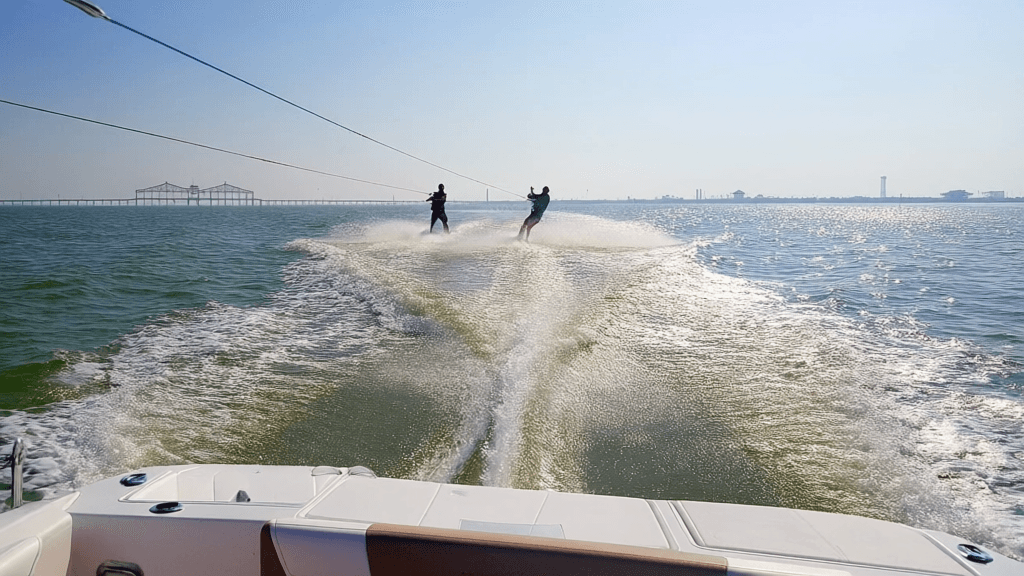
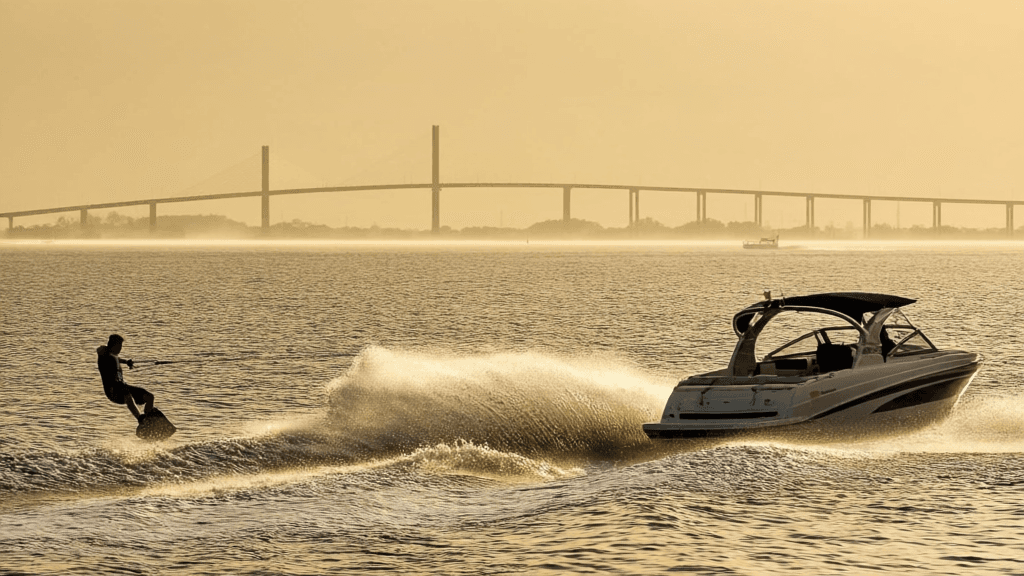
A day towing a skier or tuber around Galveston Bay can turn from recreation to a costly claim in seconds. A rider may fall near another boat, a towline may strike someone, or a sudden maneuver may damage the vessel. Boat insurance does not always treat waterskiing, wakeboarding, and tubing identically, so the activity should be confirmed rather than assumed covered. Before launching in Galveston, find the policy’s liability, medical payments, and physical damage sections and look for definitions or exclusions referring to towing, racing, or water sports. This guide explains what to check, what questions to ask, and how local conditions shape a safer coverage review.
Why Towing Activities Need a Closer Review
Towing adds people, gear, and moving lines to an already busy boating environment. A policy written for ordinary recreational operation may have special terms for a person being towed, an operator’s experience, or the number of people aboard. Galveston’s mix of bay traffic, changing weather, and popular boating areas makes it especially useful to know those terms before a busy weekend. Coverage can also depend on whether the boat is used privately or for paid instruction, rentals, or other commercial purposes. Those uses can require different insurance. Read the declarations and endorsements, but do not rely on a quick summary alone; ask the insurer to explain any relevant exclusion in plain language.
Check Who May Operate the Boat and Join the Activity
Participant eligibility can depend on more than whether someone is a guest. Confirm whether the policy restricts the operator by age, boating experience, licensing, or named-driver status, and whether an occasional operator is covered. Ask whether liability applies to a rider being towed, including a passenger who is injured while entering or leaving the water. If a policy has a minimum age or safety requirement, make sure the person driving and the person acting as spotter meet it. For a family outing from Galveston, decide in advance who will operate, watch the rider, and communicate with other vessels. Avoid assuming a guest’s injury is automatically covered under every section of the policy.
Understand Liability, Medical Payments, and Physical Damage
These coverages address different parts of an accident. Liability may help with covered claims alleging that the boat operator caused bodily injury or property damage, subject to policy limits and exclusions. Medical payments coverage, when included, may help pay specified medical expenses for eligible people after an accident, regardless of fault, but its scope and limits vary. Physical damage coverage generally concerns the insured boat and covered equipment, not every item used by a rider. Picture a tuber falling as the boat turns and the towline damaging another vessel: liability, medical payments, and damage to the insured boat may each be evaluated under separate terms. Ask for the limits, deductibles, and applicable exclusions for each part.
Ask Whether Sports Gear and Towables Are Insured
Wakeboards, water skis, tubes, tow ropes, and personal flotation devices may not all be treated as insured boat equipment. Some policies cover specified gear only when it is attached to or stored aboard the boat; others may exclude personal belongings or impose a sublimit. Make an inventory of higher-value items, note their approximate replacement cost, and ask whether they are covered while aboard, in transit, or ashore. Also confirm whether an installed tower, pylon, or other towing attachment is included in the boat’s insured value. If equipment is added after the policy begins, notify the insurer when required. Clear documentation, such as receipts and photographs, can help establish what was aboard if a covered loss occurs.
Look for Activity-Specific Exclusions and Conditions
Read for language that excludes or limits water-skiing, wakeboarding, tubing, towing, competitions, or professional instruction. A policy may cover recreational towing but exclude organized events or paid activities; another may set conditions for the operator, spotter, equipment, or safety practices. Check whether coverage changes when the boat travels outside a stated navigation area, which can matter when plans extend beyond familiar Galveston waters. Ask the insurer to identify the exact wording that applies instead of accepting a general assurance that the boat is insured. Record the answer and any endorsement or policy change in writing. An exclusion can be narrower or broader than its everyday wording suggests, so clarification before an outing is far better than interpreting it after an accident.
Make Safety Part of the Coverage Plan
Insurance does not replace safe operating practices or legal requirements. Texas boating rules generally require an observer or an approved wide-angle rearview mirror when a vessel is towing a person on water skis or a similar device; verify current requirements with the Texas Parks and Wildlife Department before departure. Use properly fitted, appropriate flotation devices, check the towline and attachment point, and agree on clear hand signals with the rider. Keep the operator focused on navigation and the observer focused on the person in the water. Check weather, visibility, traffic, and space to turn before starting. These steps can reduce preventable incidents, but policy conditions may differ, so follow both applicable rules and the specific terms of the boat policy.
Local Considerations for Galveston Boaters
Galveston boaters may encounter crowded launch areas, commercial traffic, shallow or changing conditions, and rapidly shifting weather. The best place for towing depends on current conditions, visibility, local restrictions, and the size of the safe operating area; do not assume a familiar route is suitable every day. Before launching, check marine forecasts and notices, and allow room between the rider and other vessels, docks, and shorelines. Residents who boat in nearby Texas City, Kemah, Hitchcock, or League City should also confirm that their usual navigation area falls within the policy’s territory. If trips sometimes extend beyond the usual waters, ask whether navigation limits or reporting requirements apply. Local conditions inform the safety plan, while the written contract determines insurance response.
Key Policy Checks Before Your Next Outing
Questions to Resolve Before Towing
- Confirm that recreational waterskiing, wakeboarding, and tubing are not excluded, and ask whether each activity is treated differently.
- Verify who is eligible to operate the boat and whether liability applies to a person being towed or acting as a spotter.
- Review liability and medical payments limits, physical damage deductibles, and any separate conditions for water-sports claims.
- Ask how skis, boards, tubes, ropes, towers, and other gear are covered, including any dollar limits or storage conditions.
- Check navigation boundaries, commercial-use restrictions, and safety requirements, then request written clarification for uncertain terms.

Next Steps: Confirm Coverage Before You Launch
Set aside time before the season or your next Galveston outing to review the full policy, not just the coverage summary. Describe your actual activities accurately, including which sports you tow, how often you go out, who operates the boat, and whether any instruction or paid use is involved. Request written answers about participant eligibility, activity exclusions, equipment, liability limits, and navigation territory. If the current policy does not fit the way the boat is used, compare available policy options and endorsements before changing coverage. Keep proof of insurance and emergency contacts accessible aboard, and revisit the review after buying new equipment or changing how the boat is used. A few specific questions now can make coverage expectations clearer when an accident occurs.
Review Your Water-Sports Coverage
Compare boat insurance options and confirm that your policy fits the activities you plan to enjoy around Galveston.
Get a Free Quote